
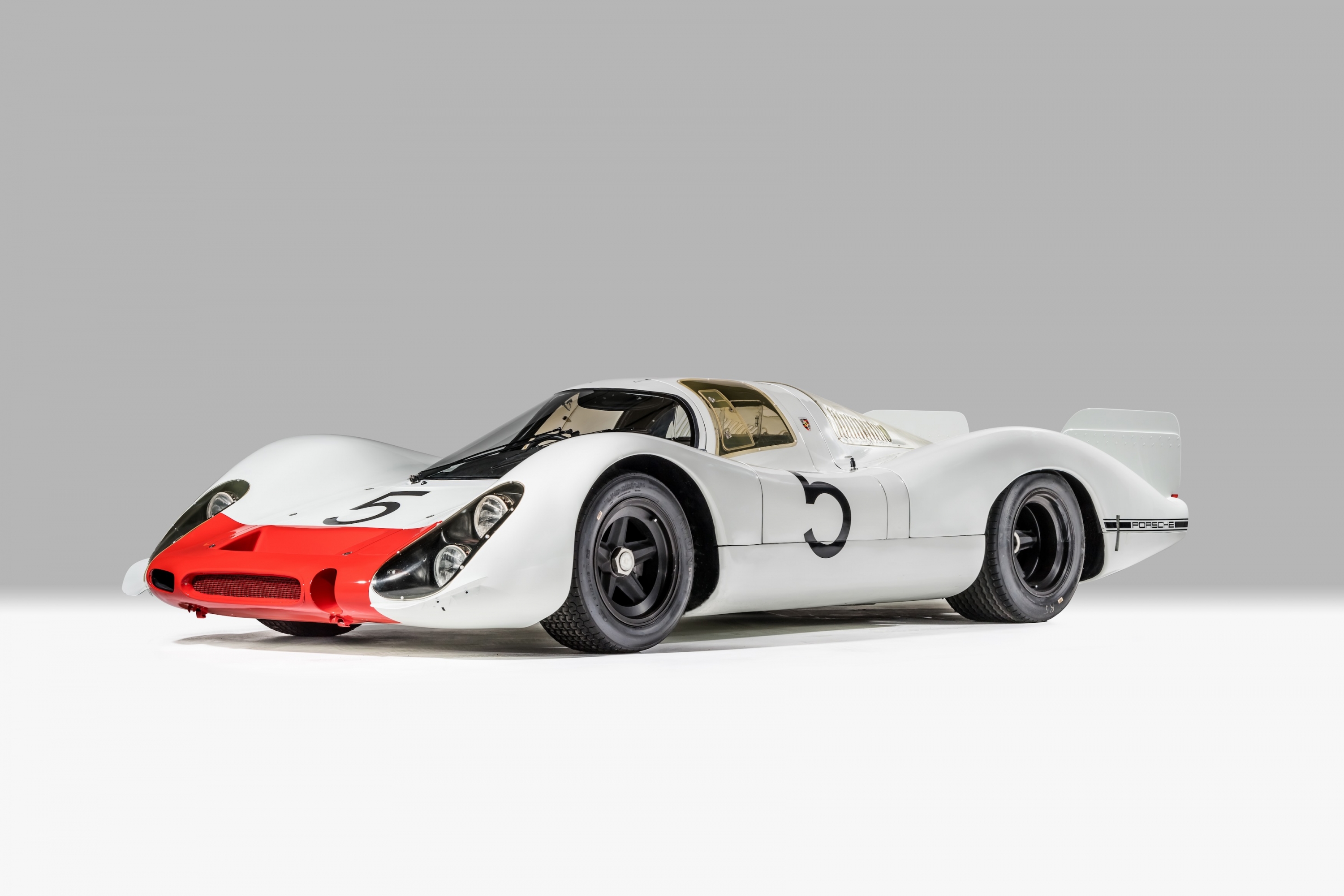
PORSCHE 908 LH For sale
One of only 5 surviving 908 LH
Raced Monza 1000km in 1968 with Scarfiotti and Mitter
Exceptionnal condition and restoration
Description
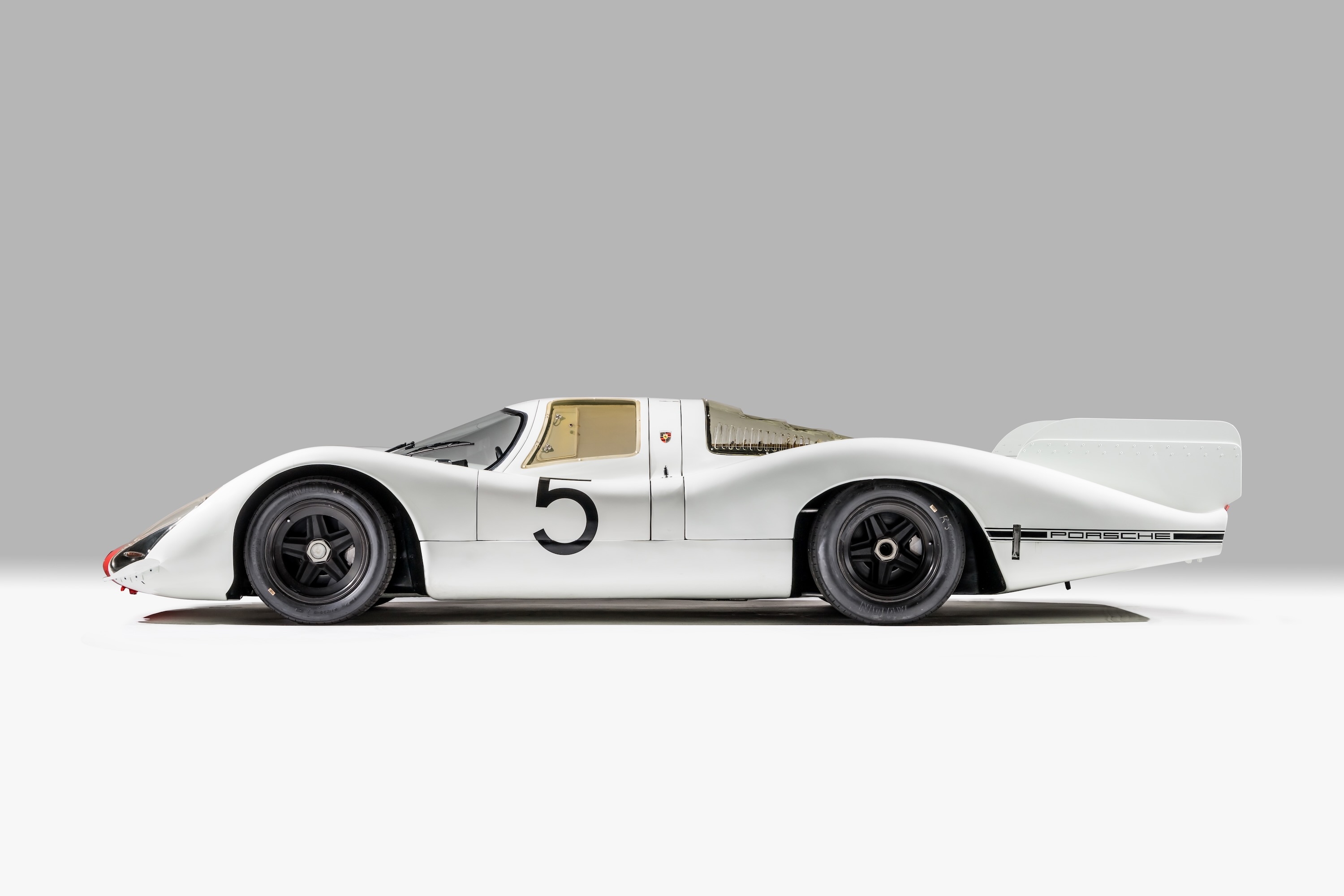
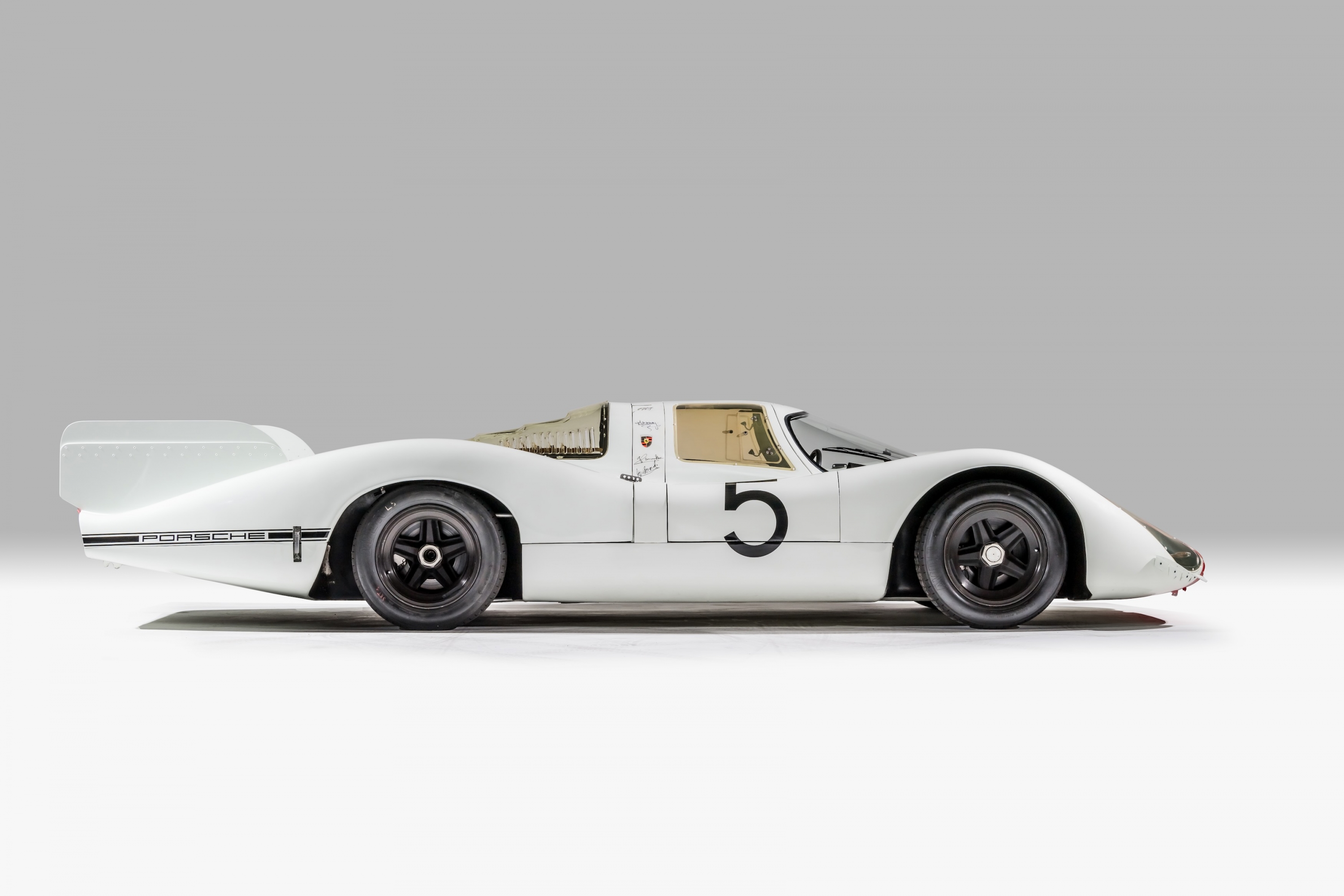
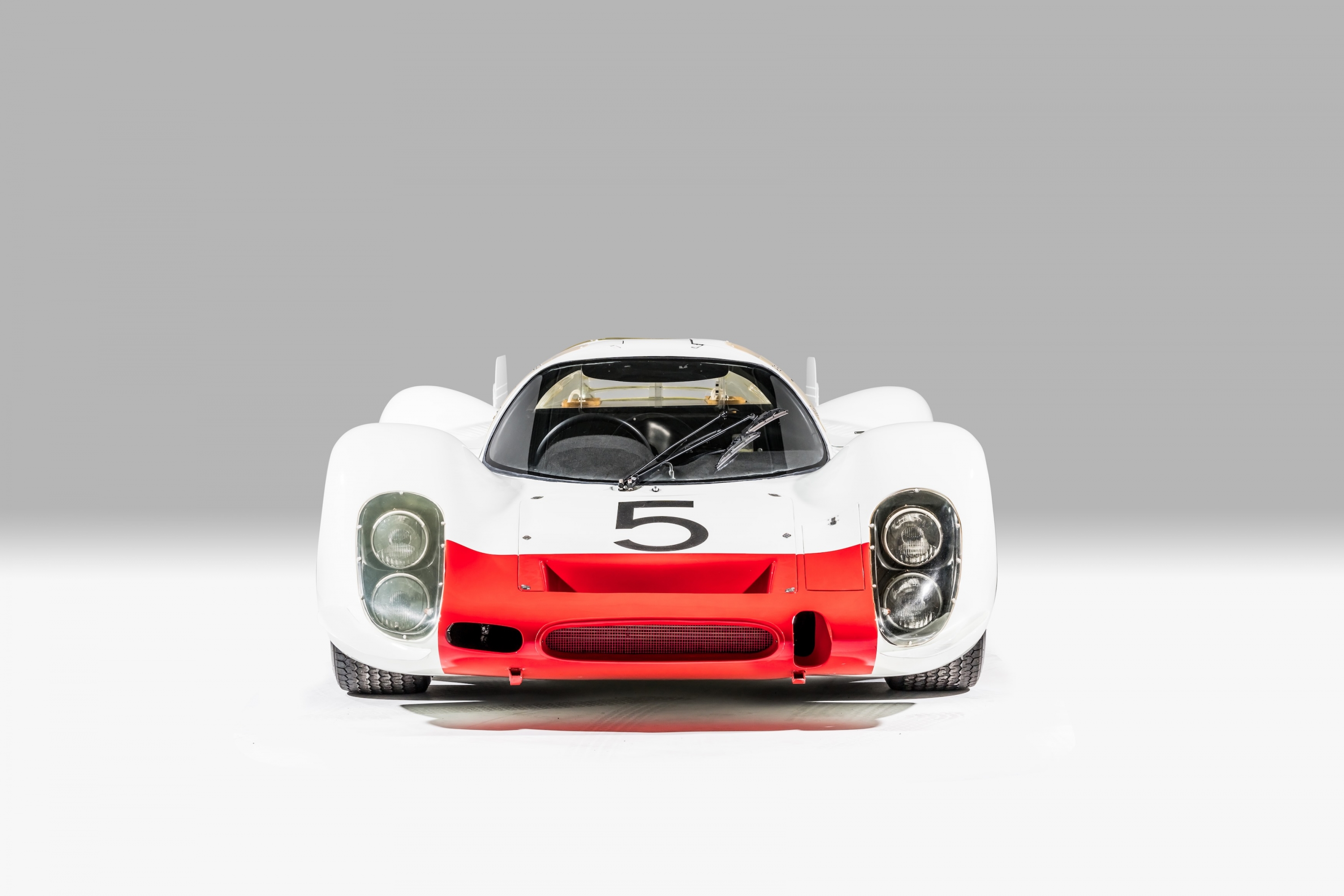
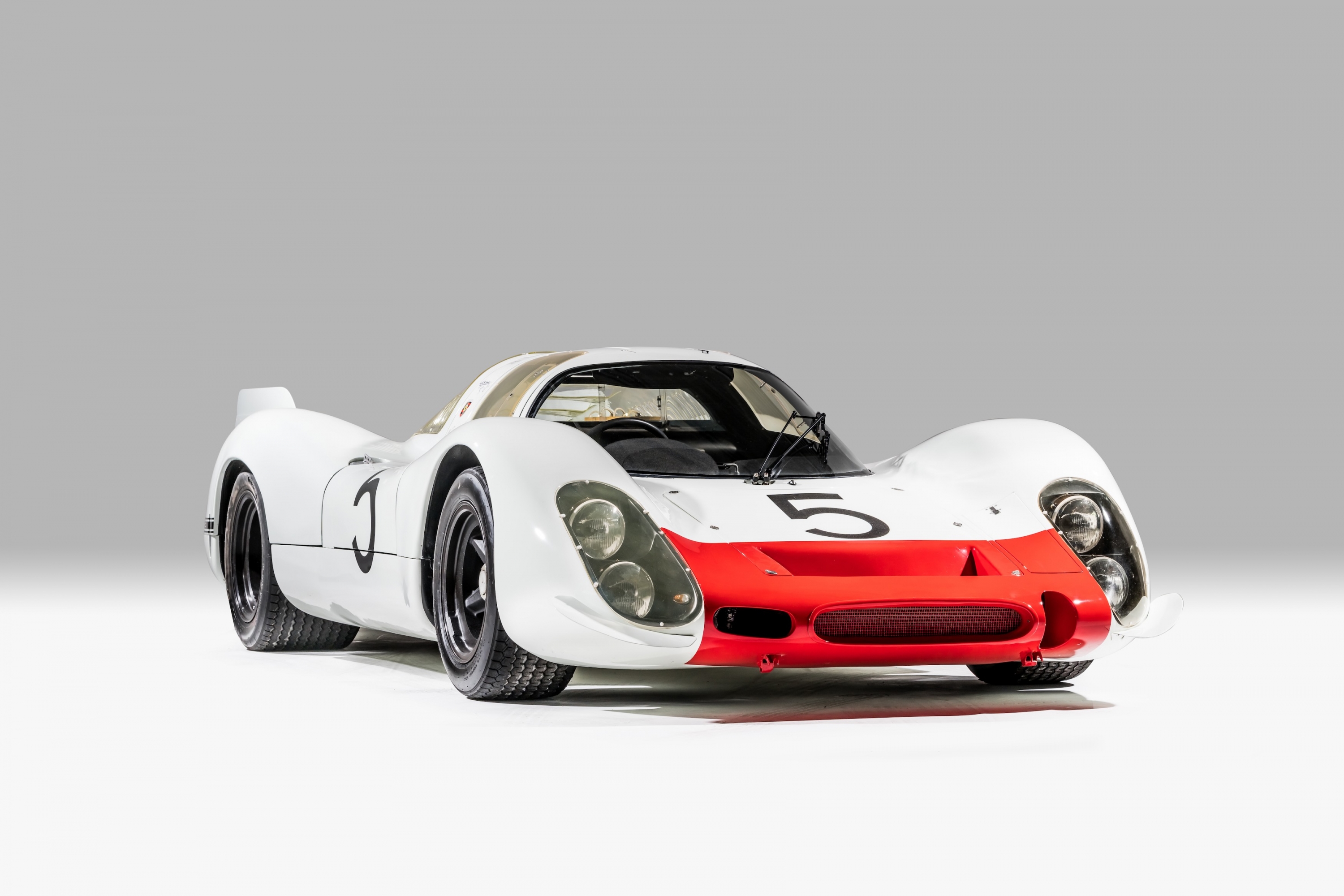
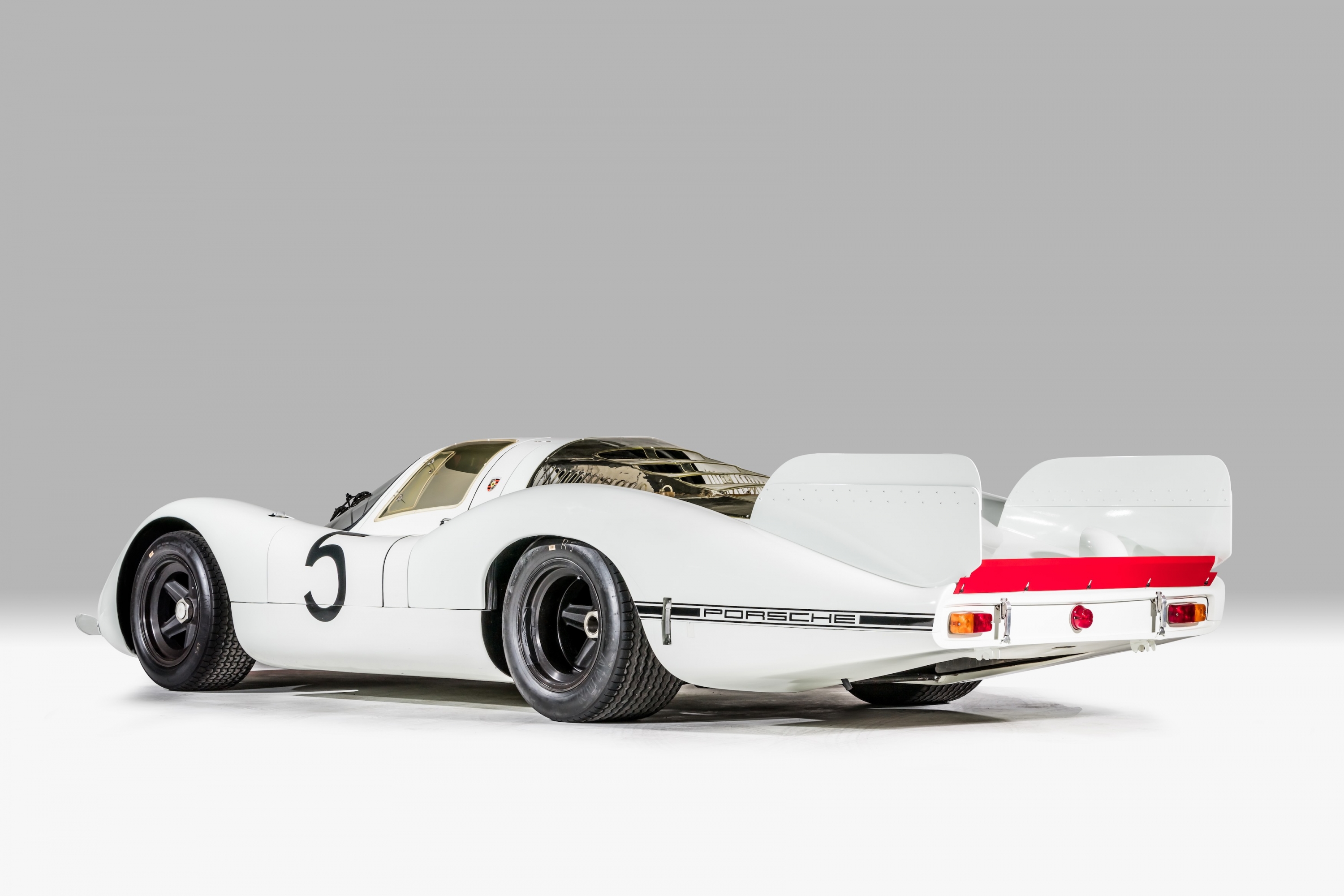
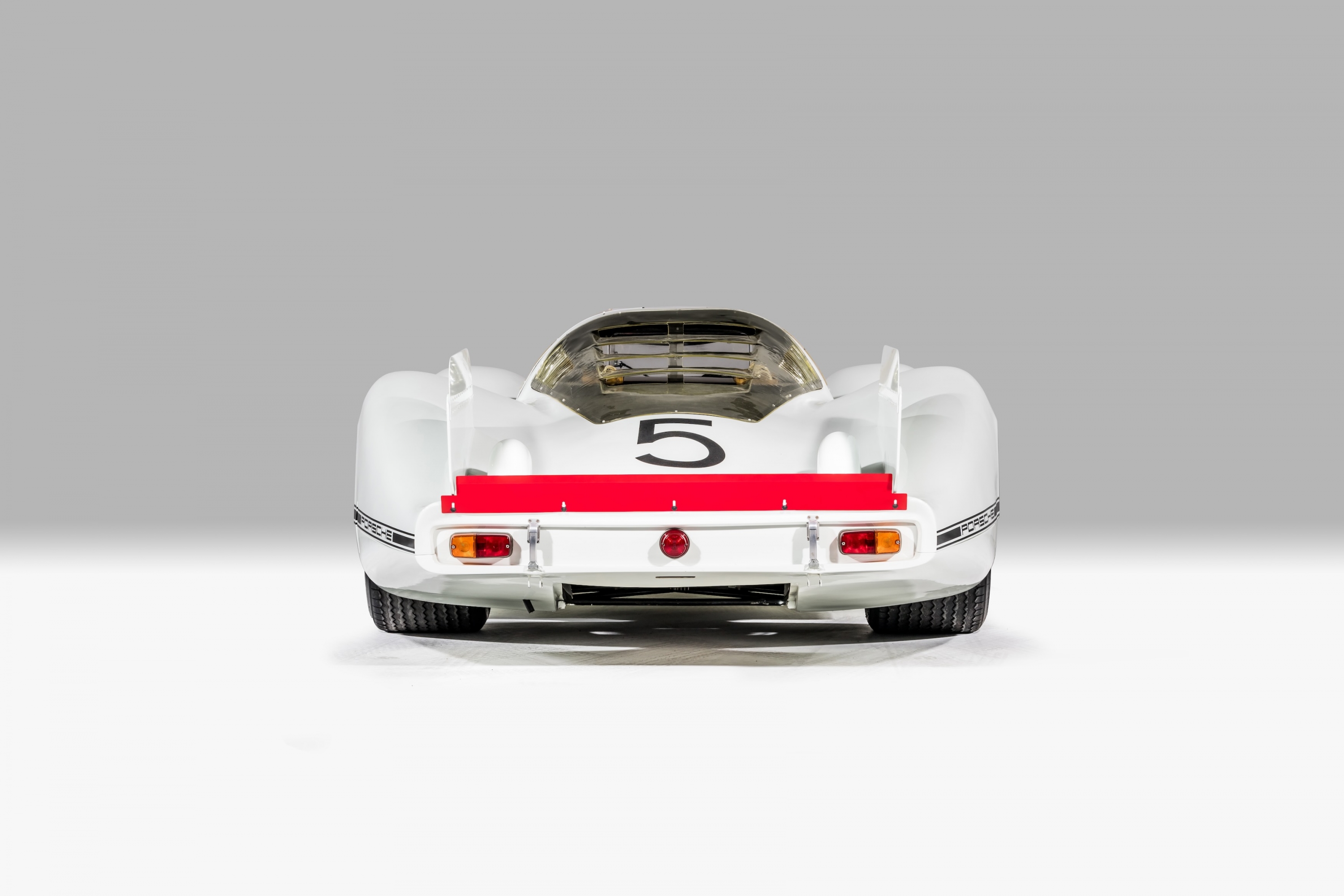
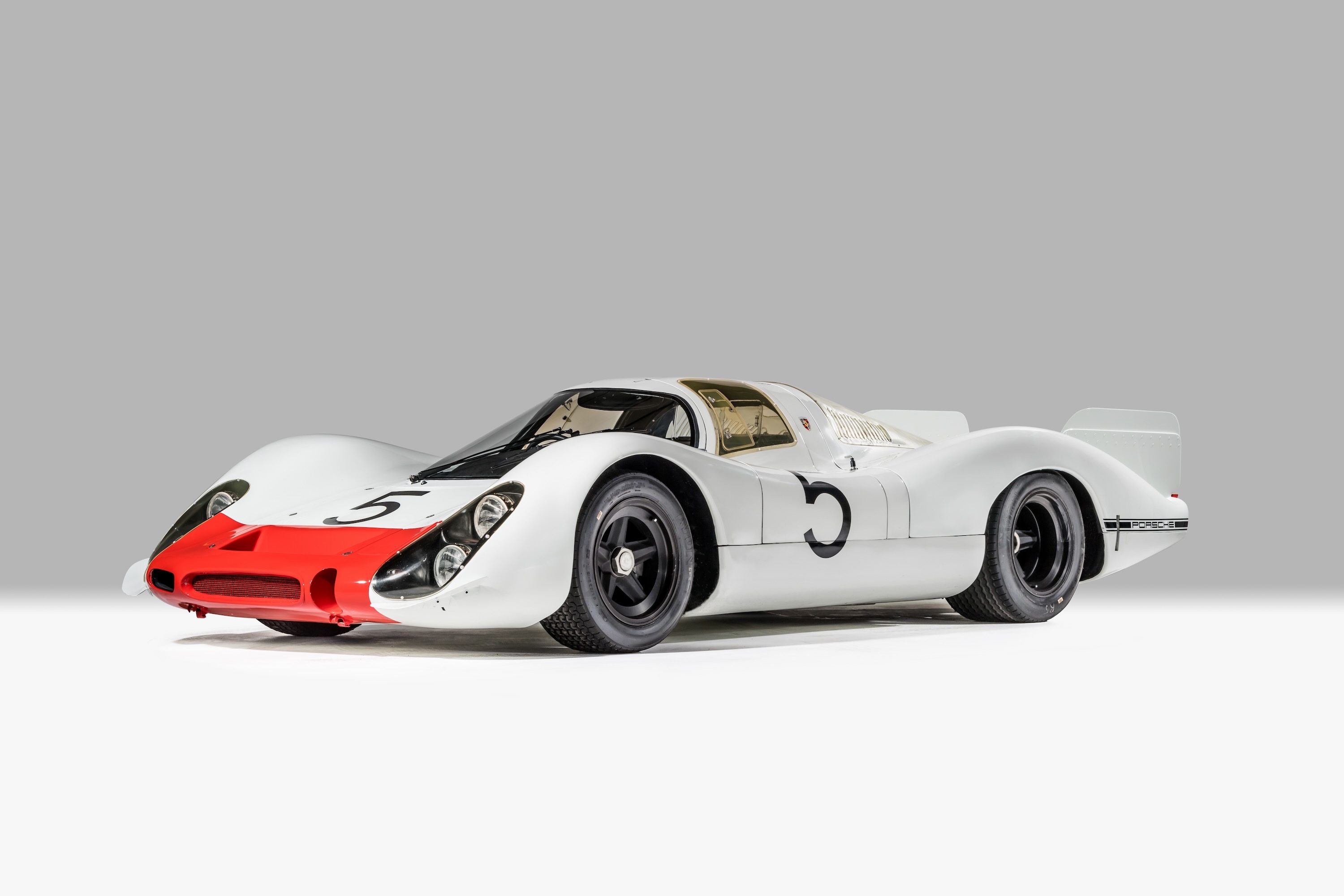
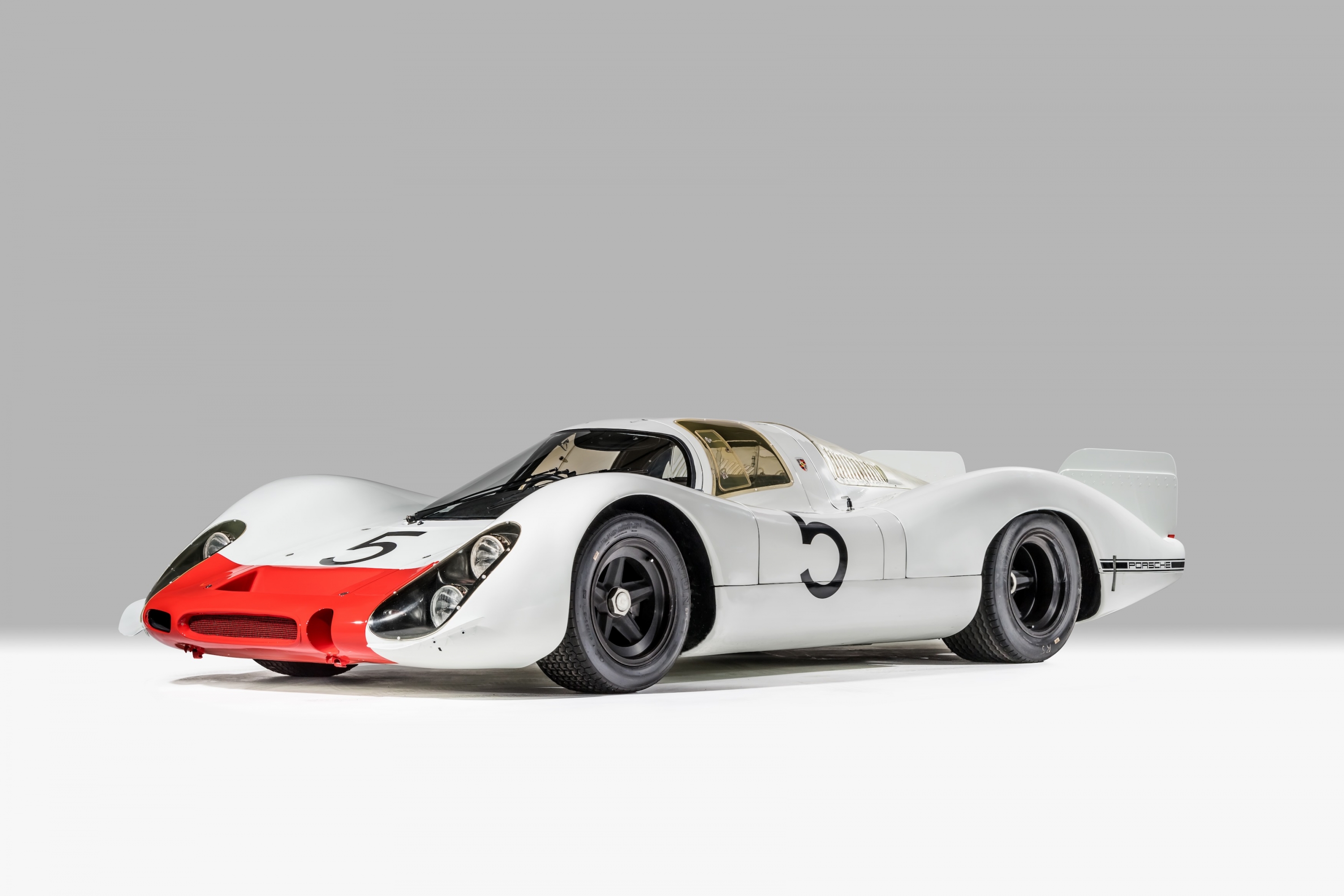
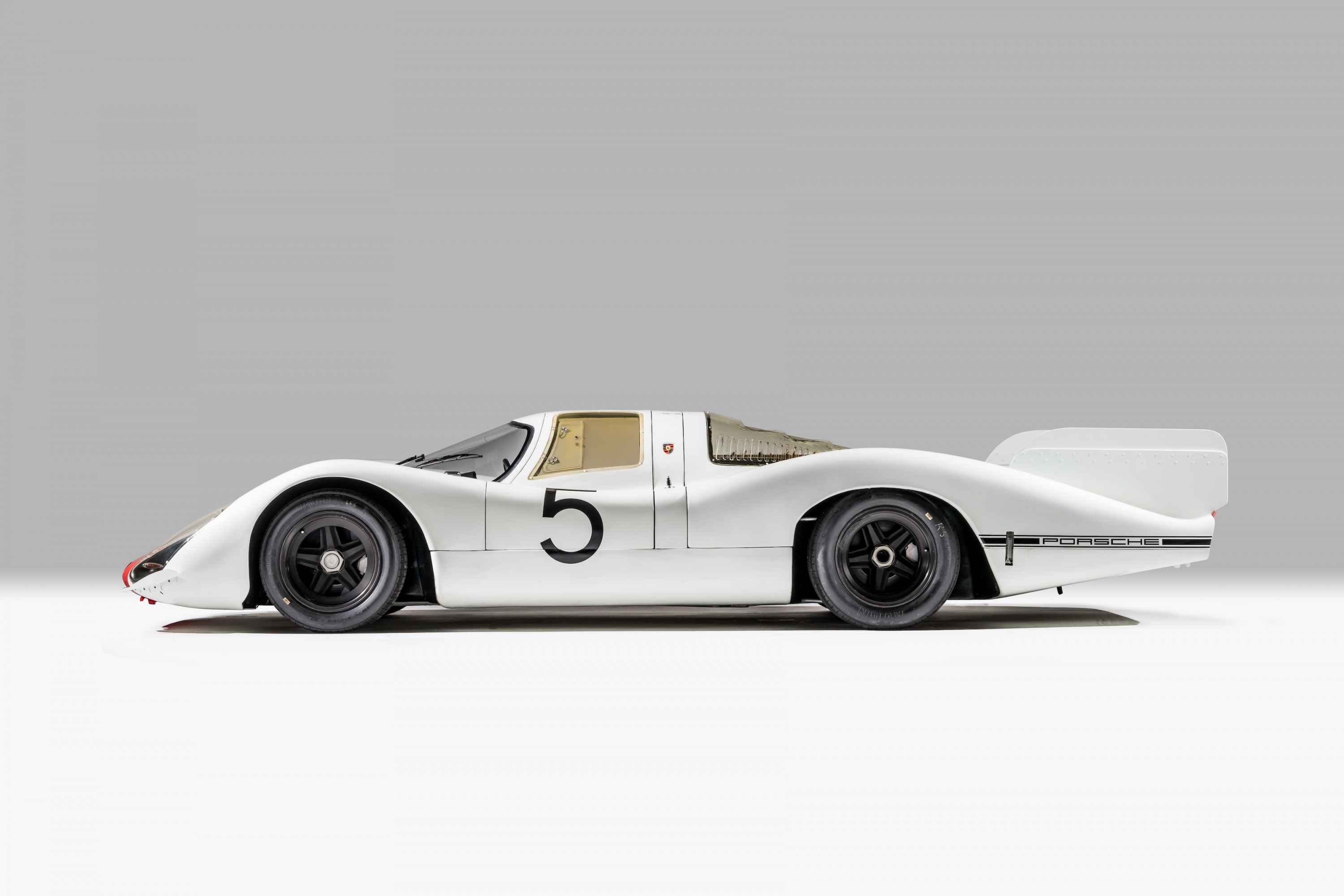
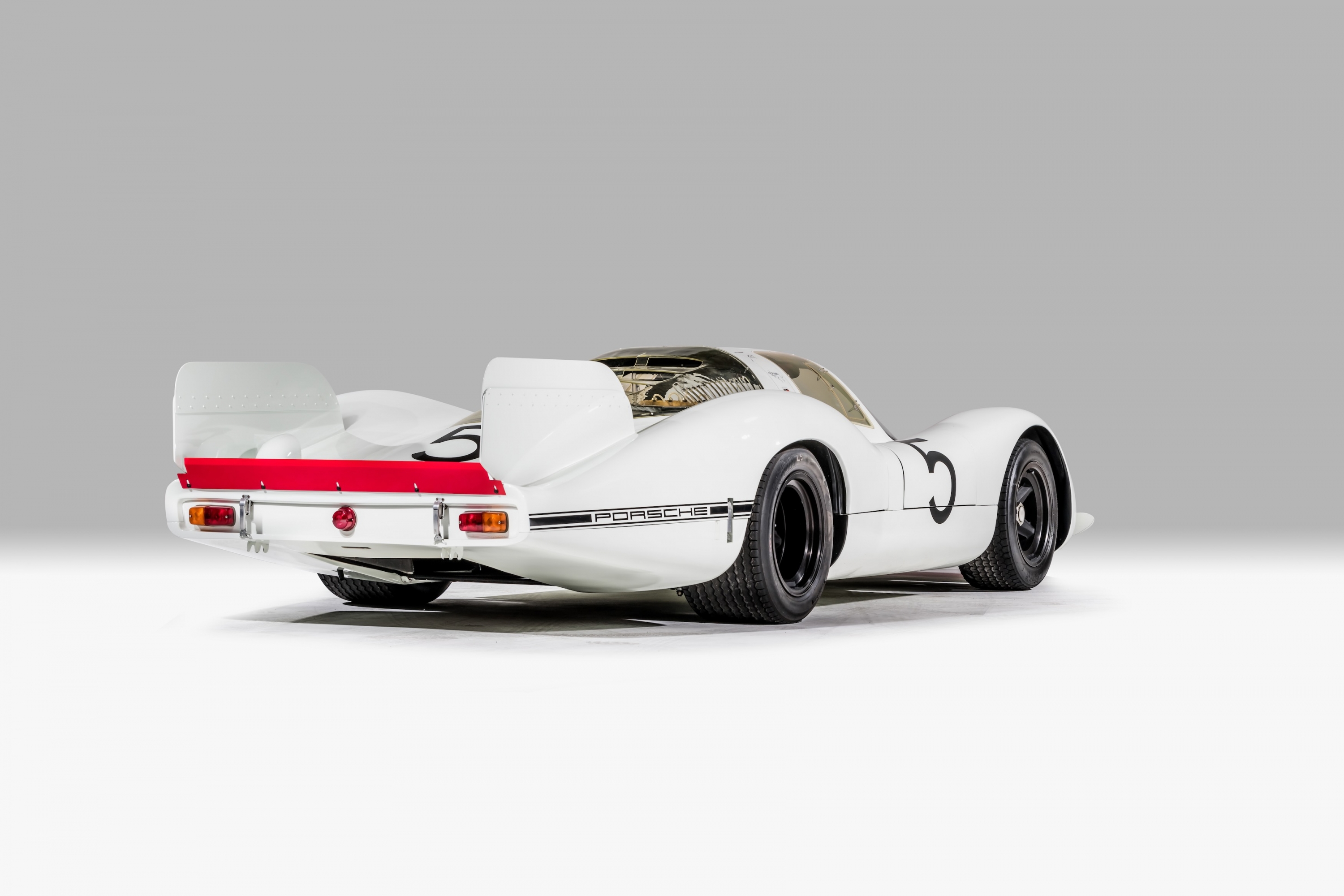
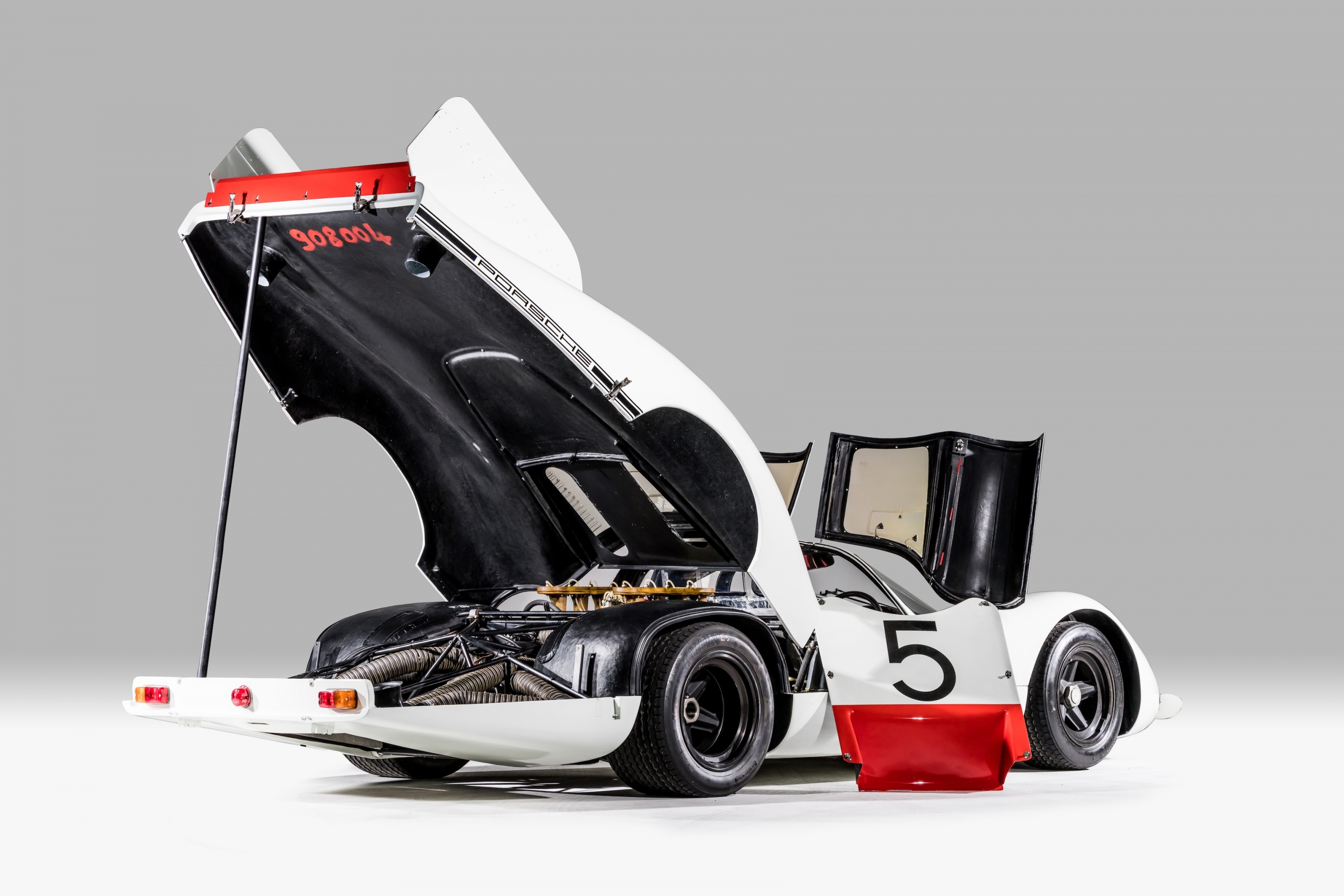
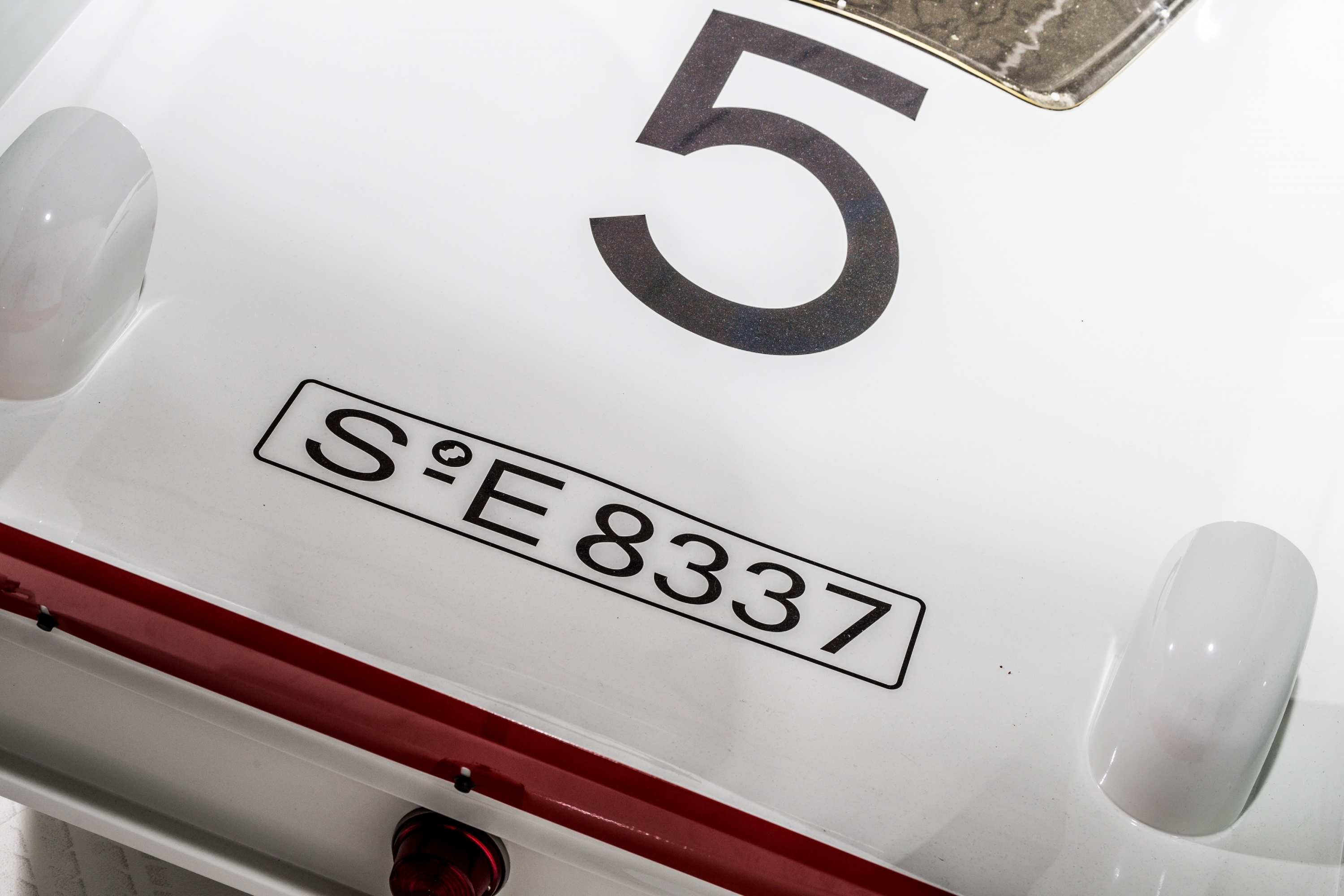
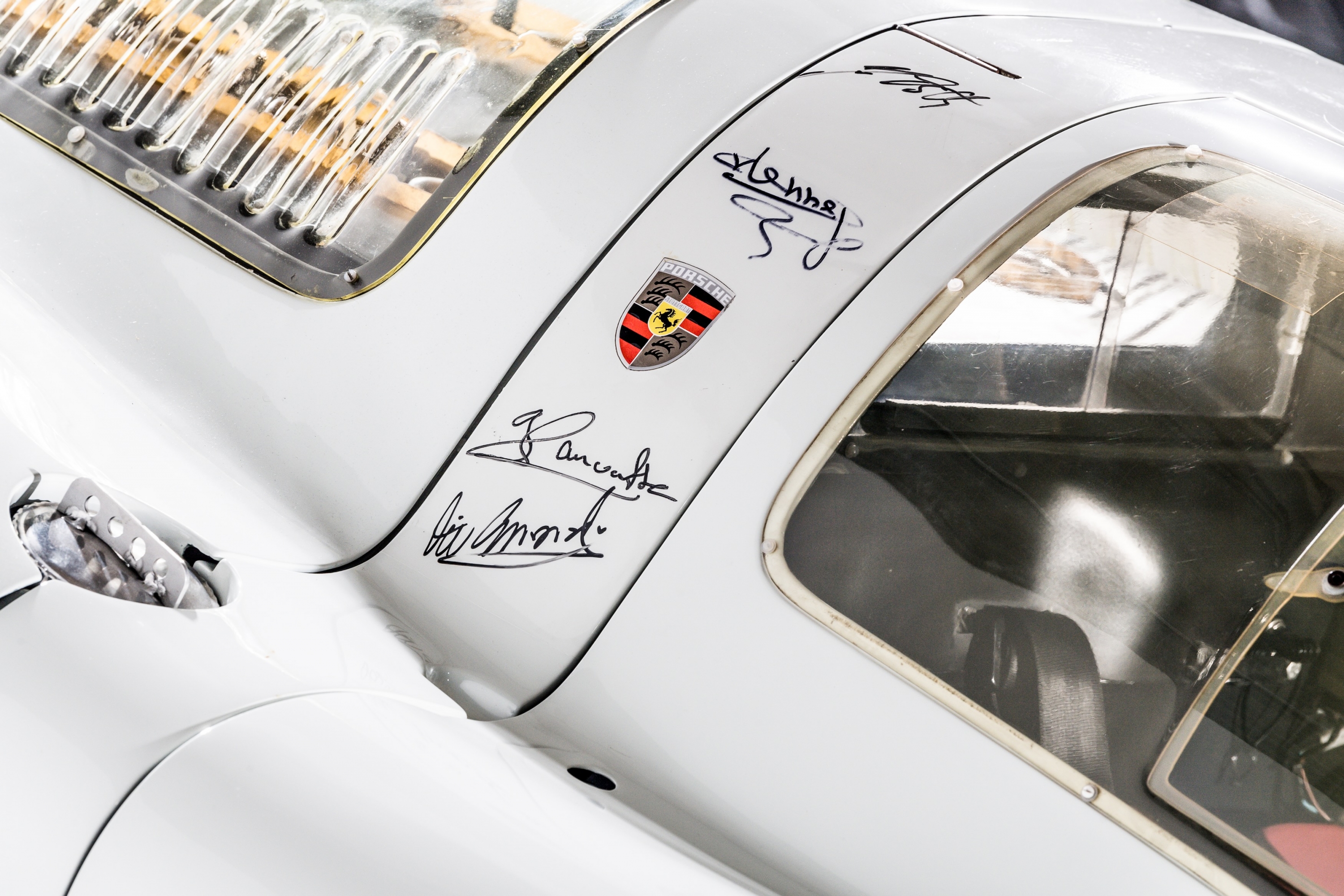
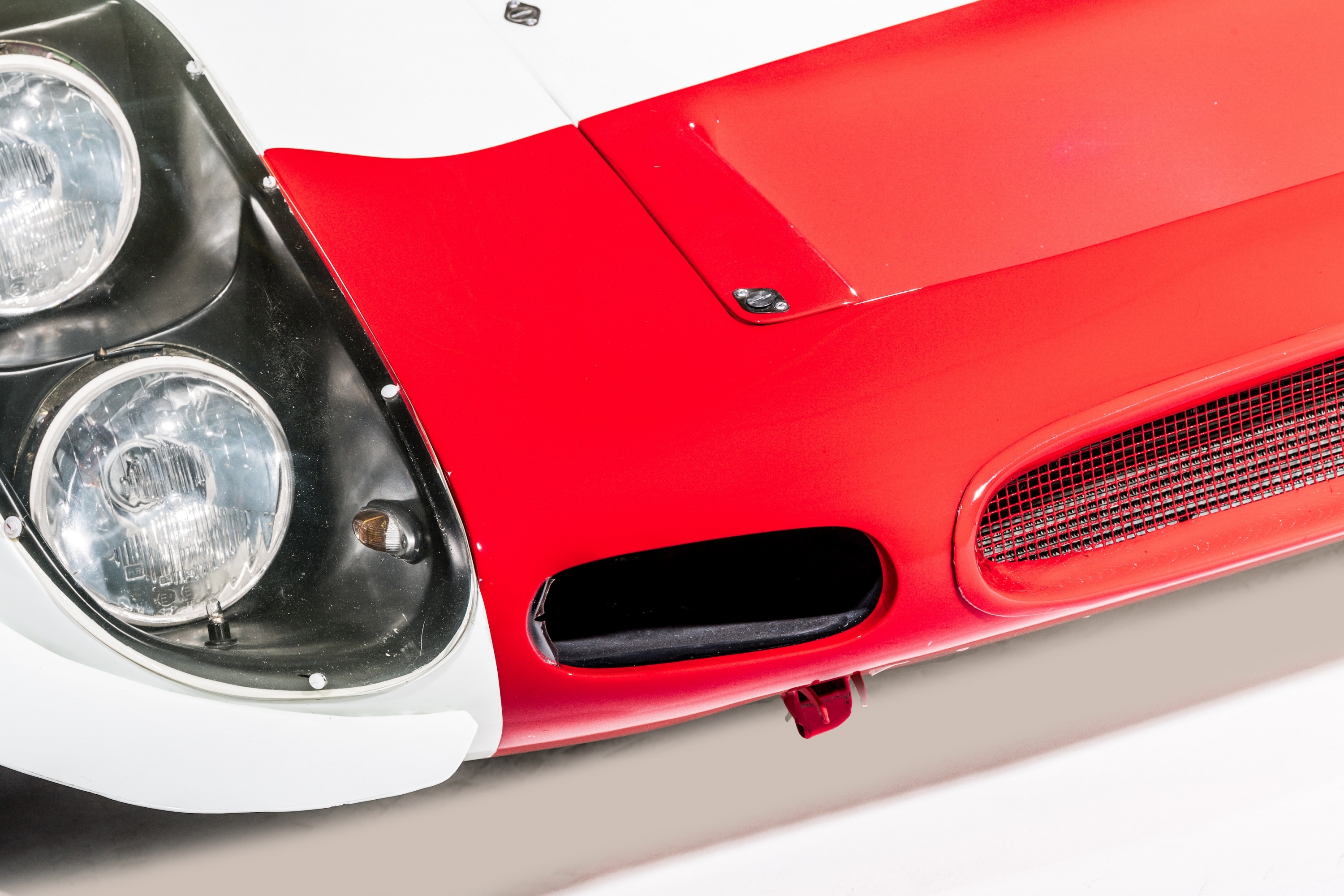
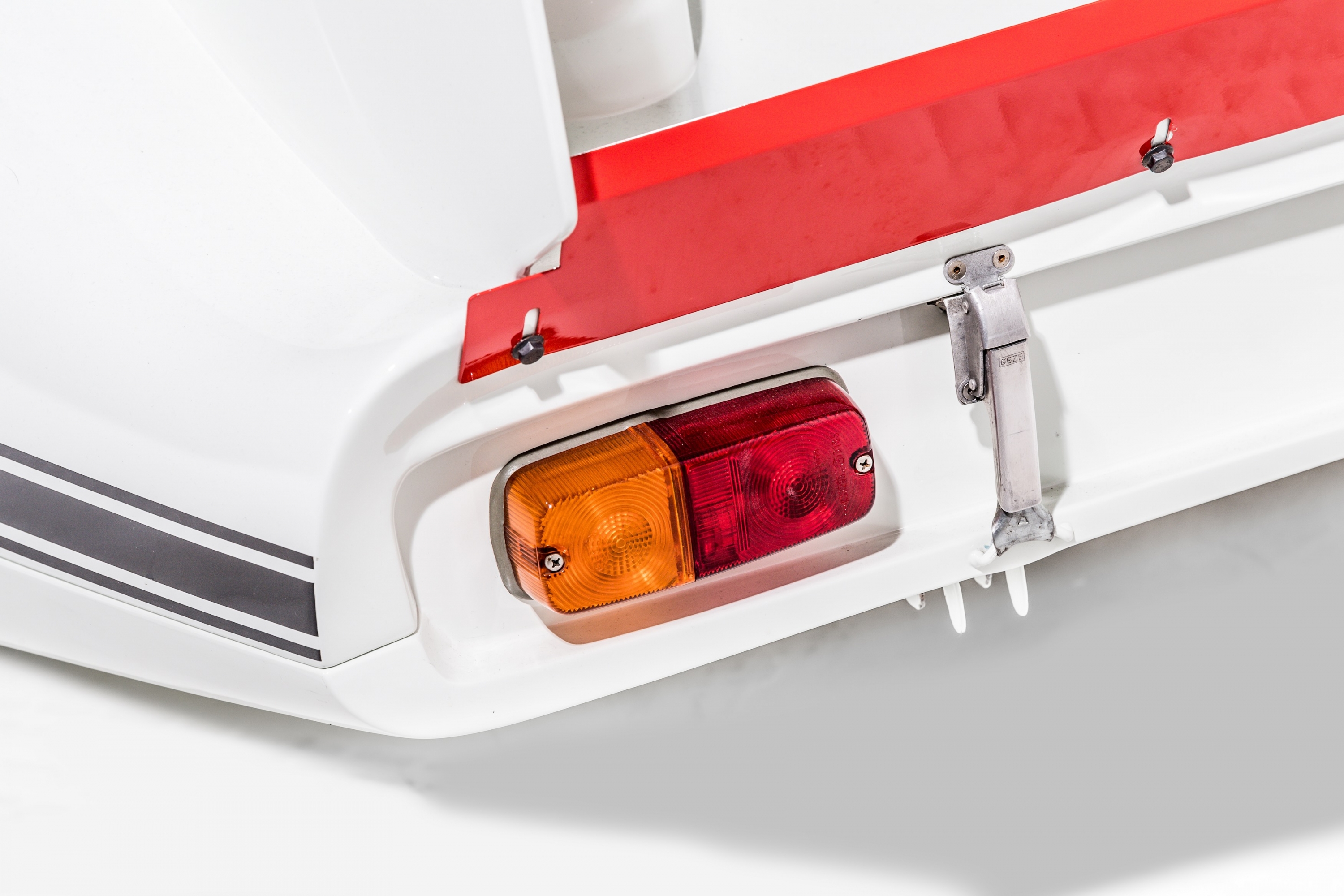
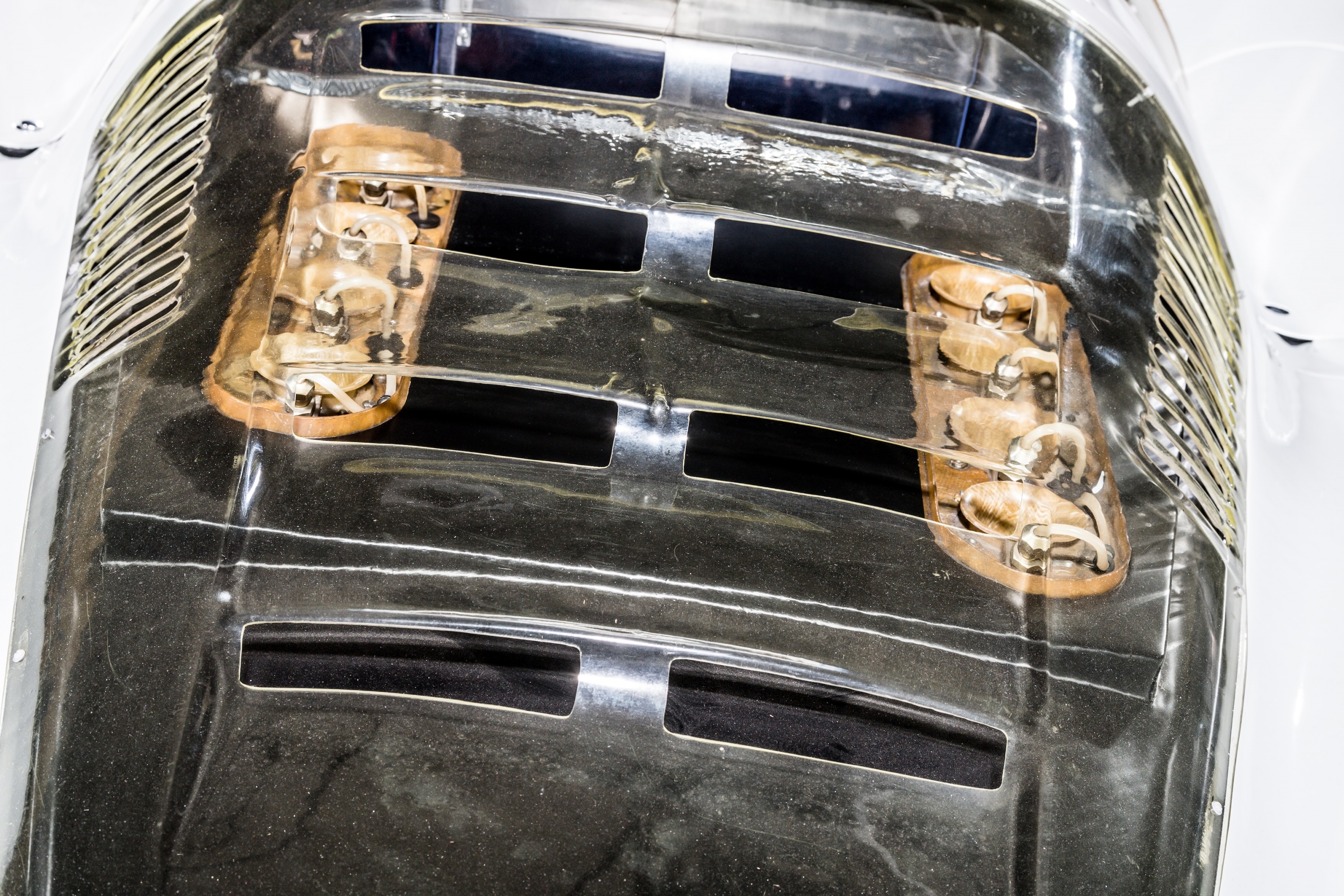
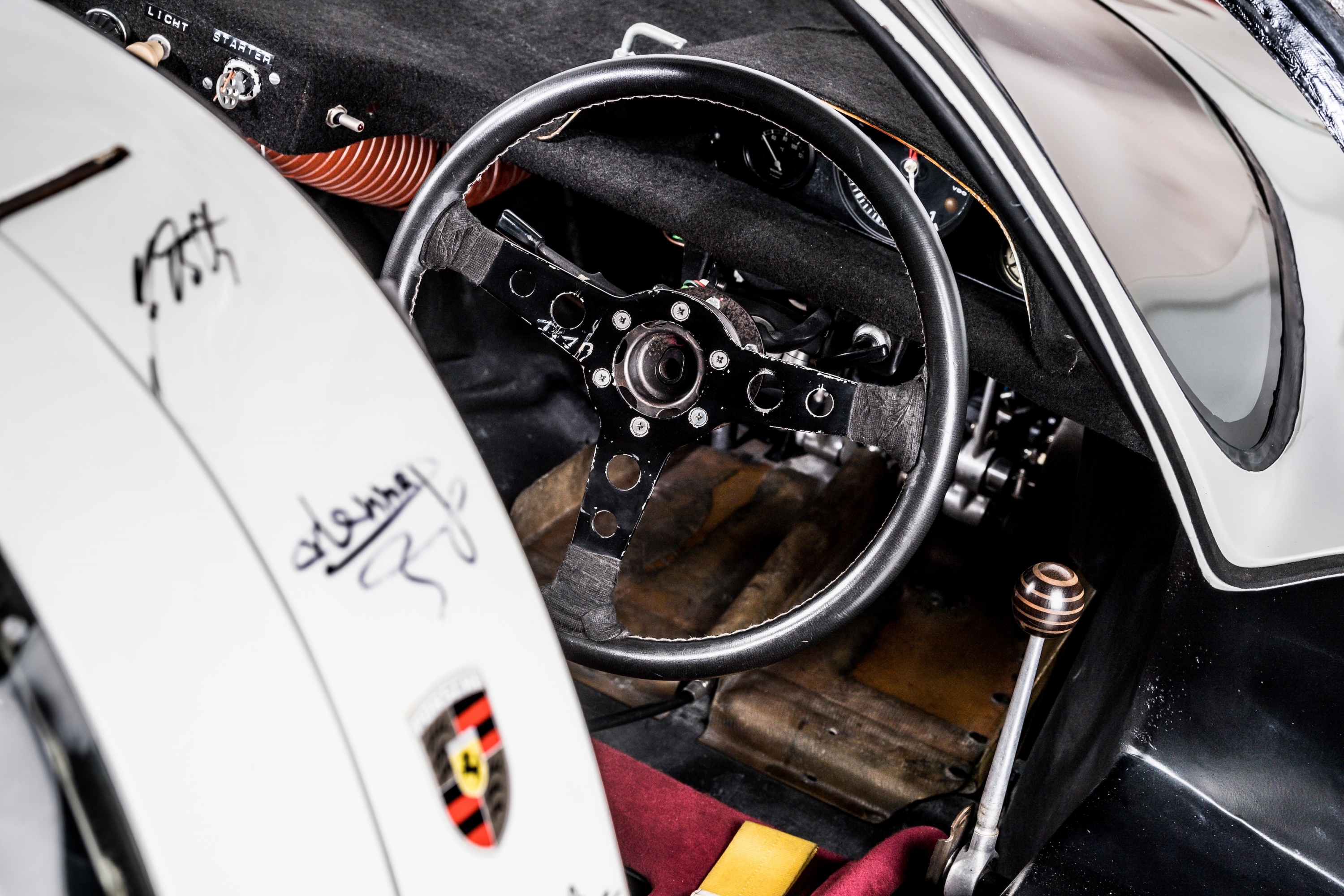
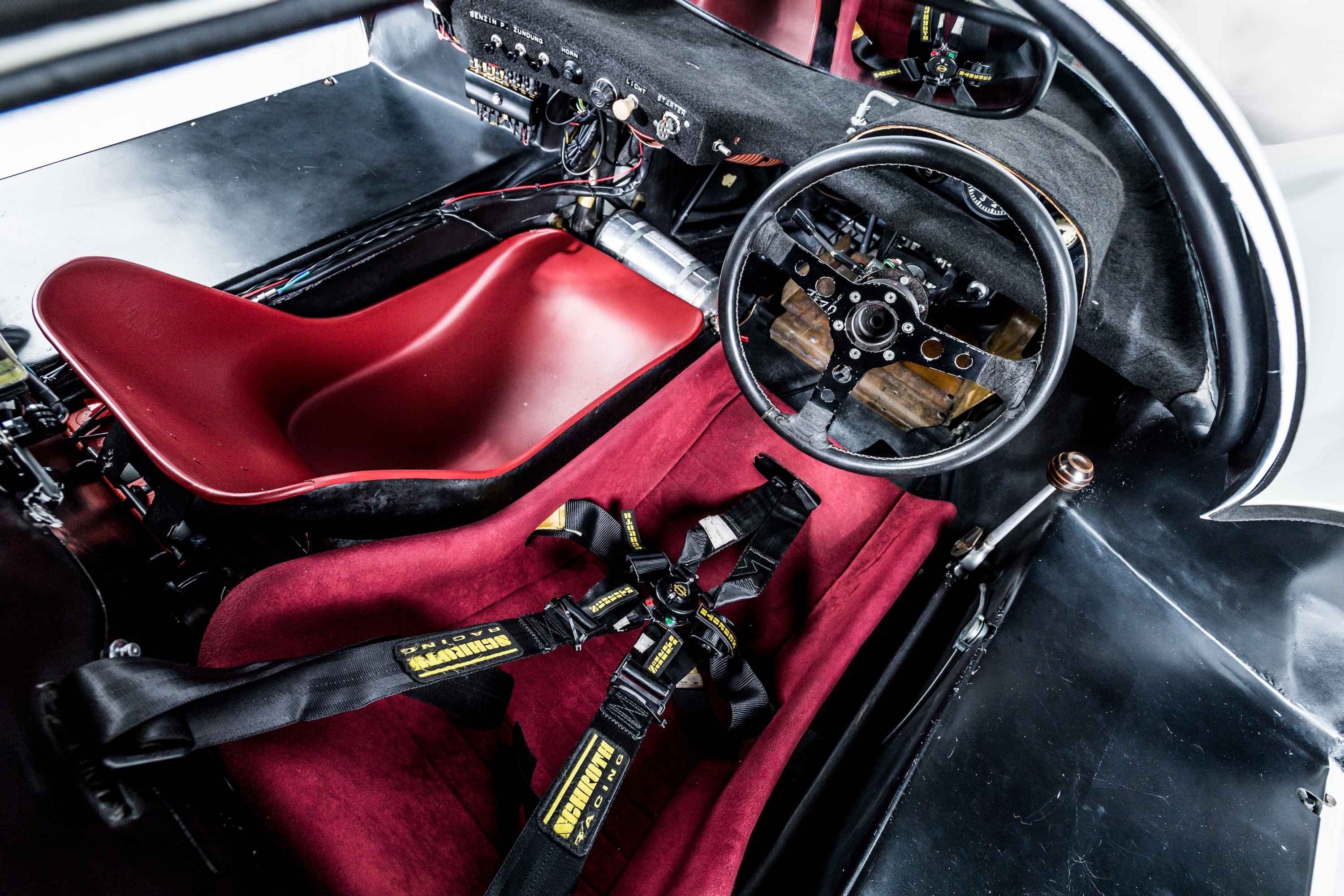
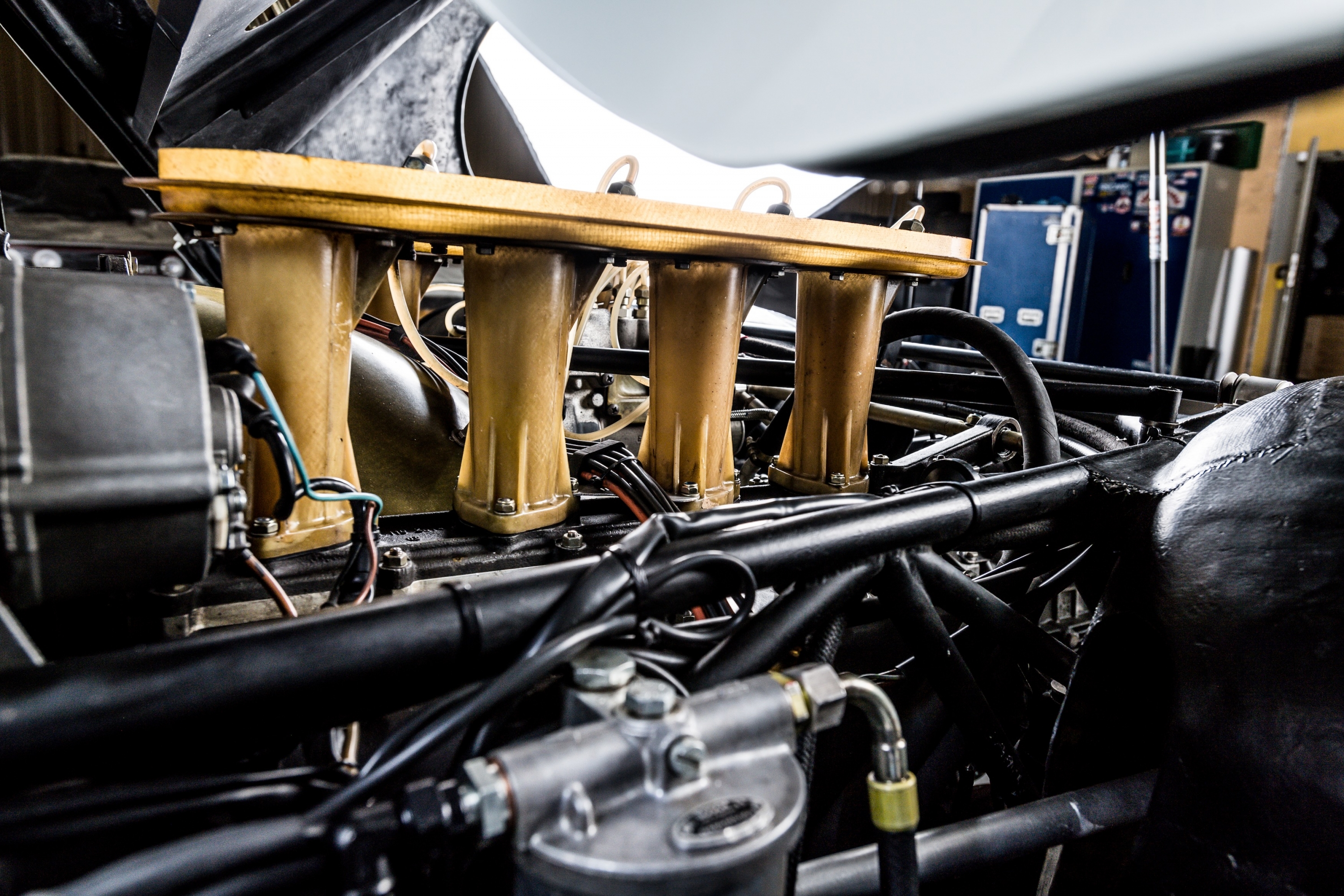
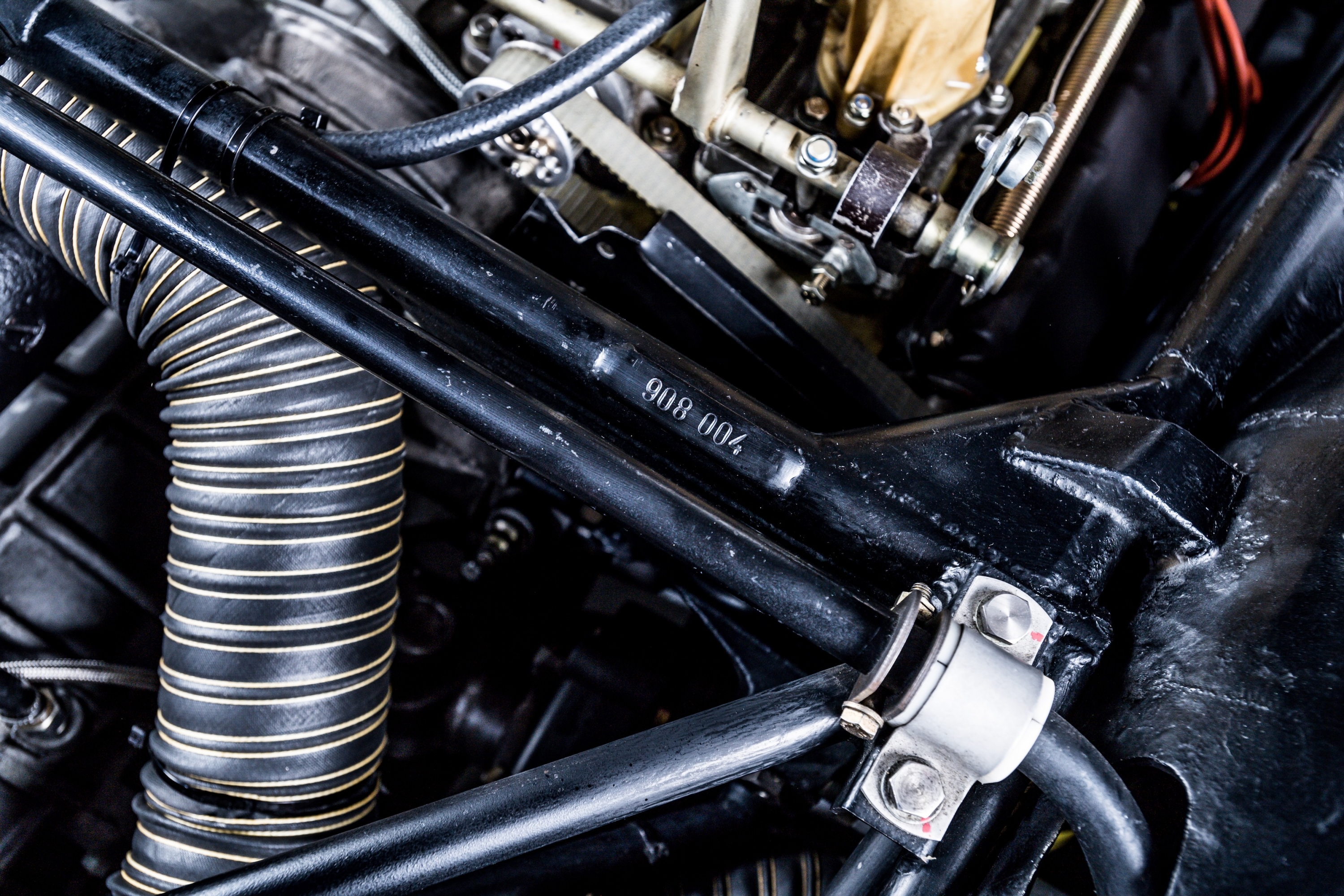
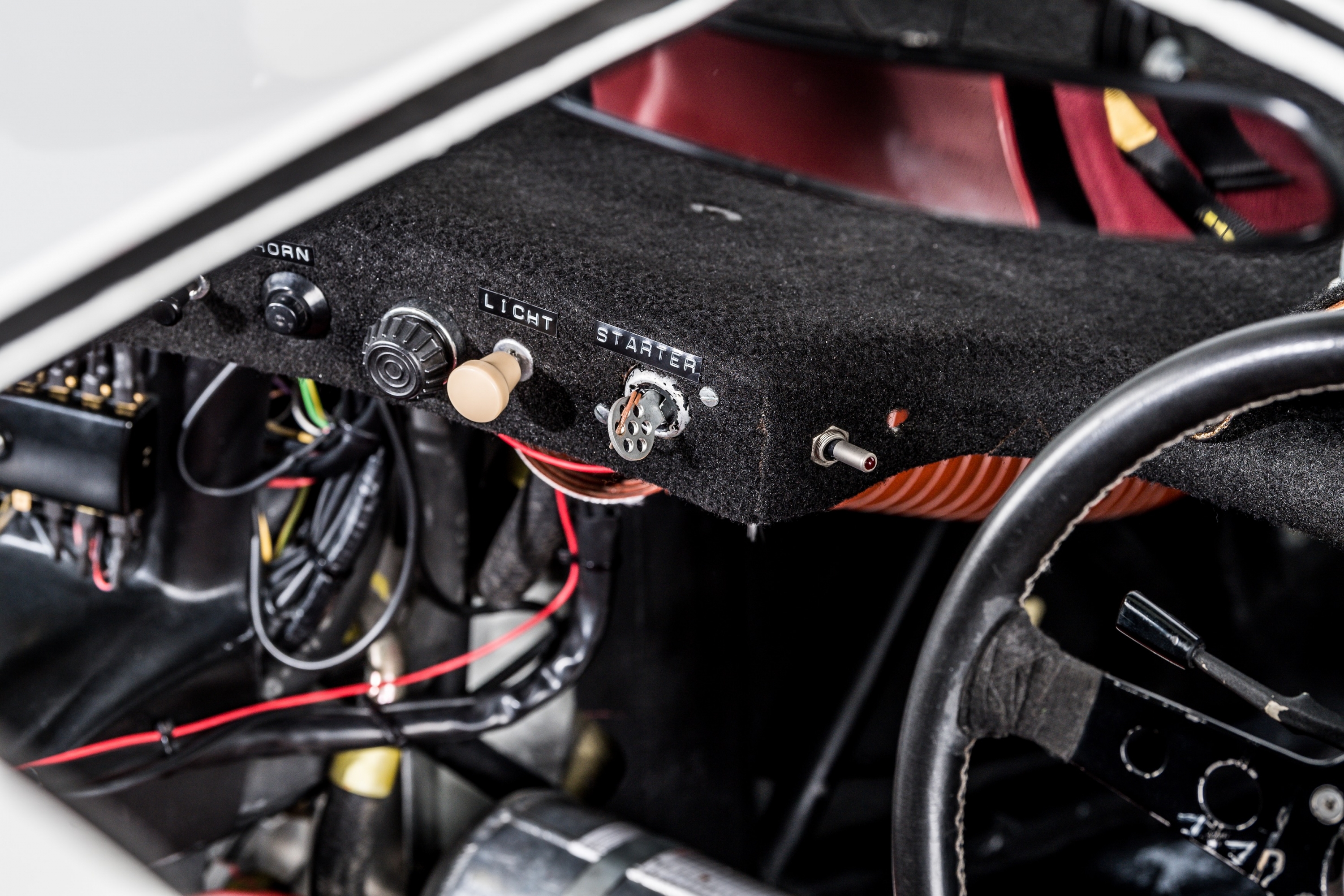
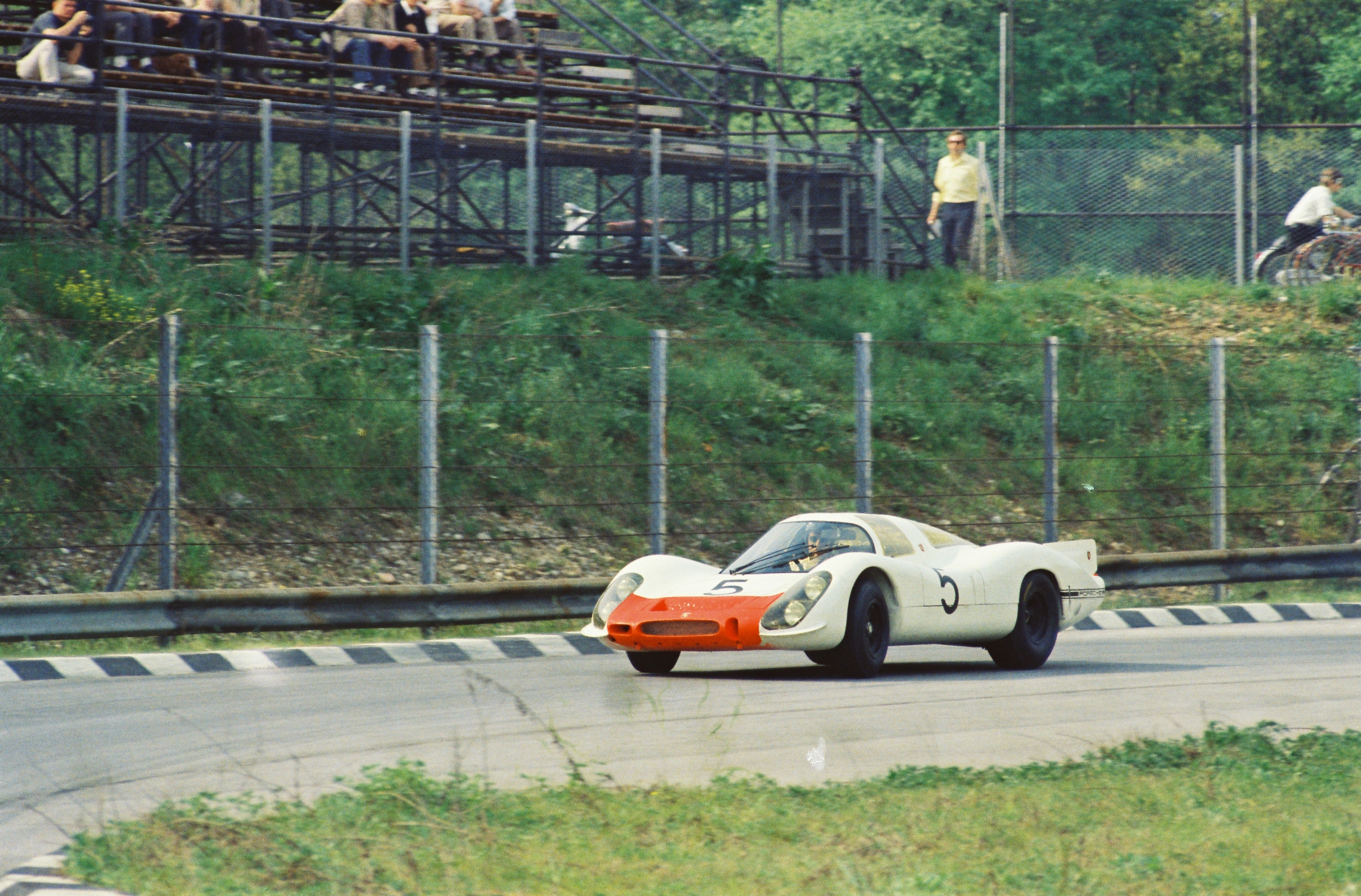
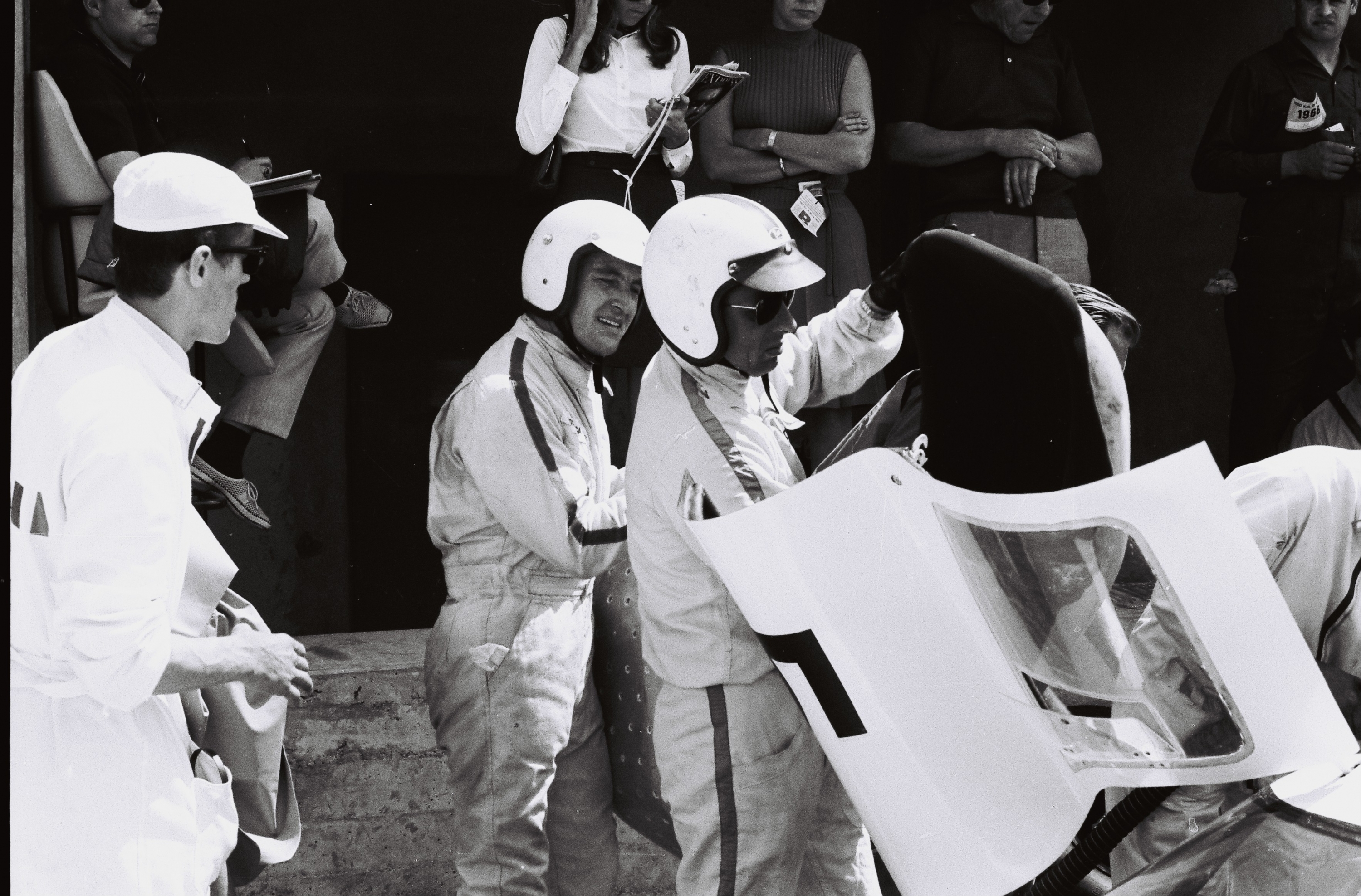
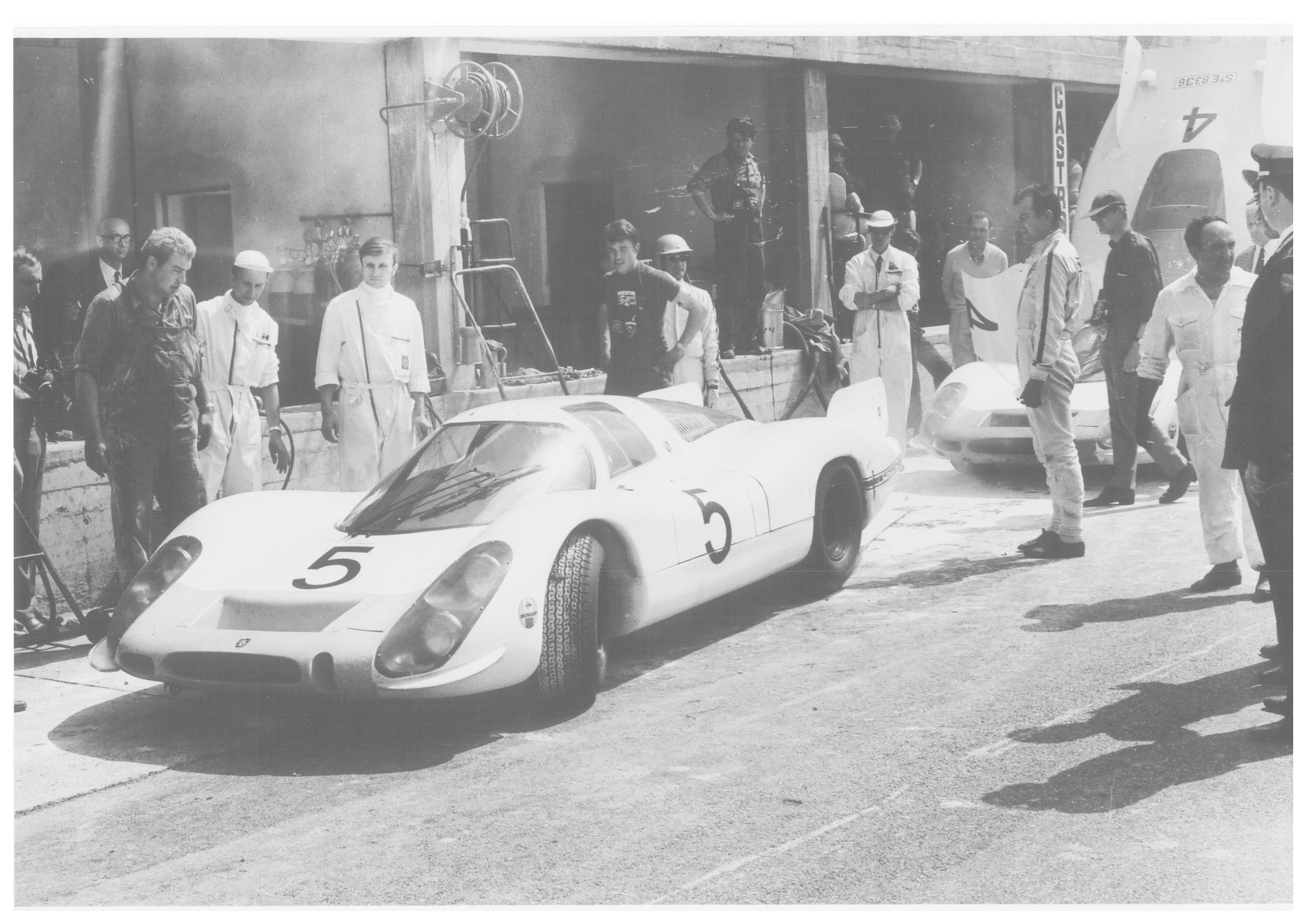
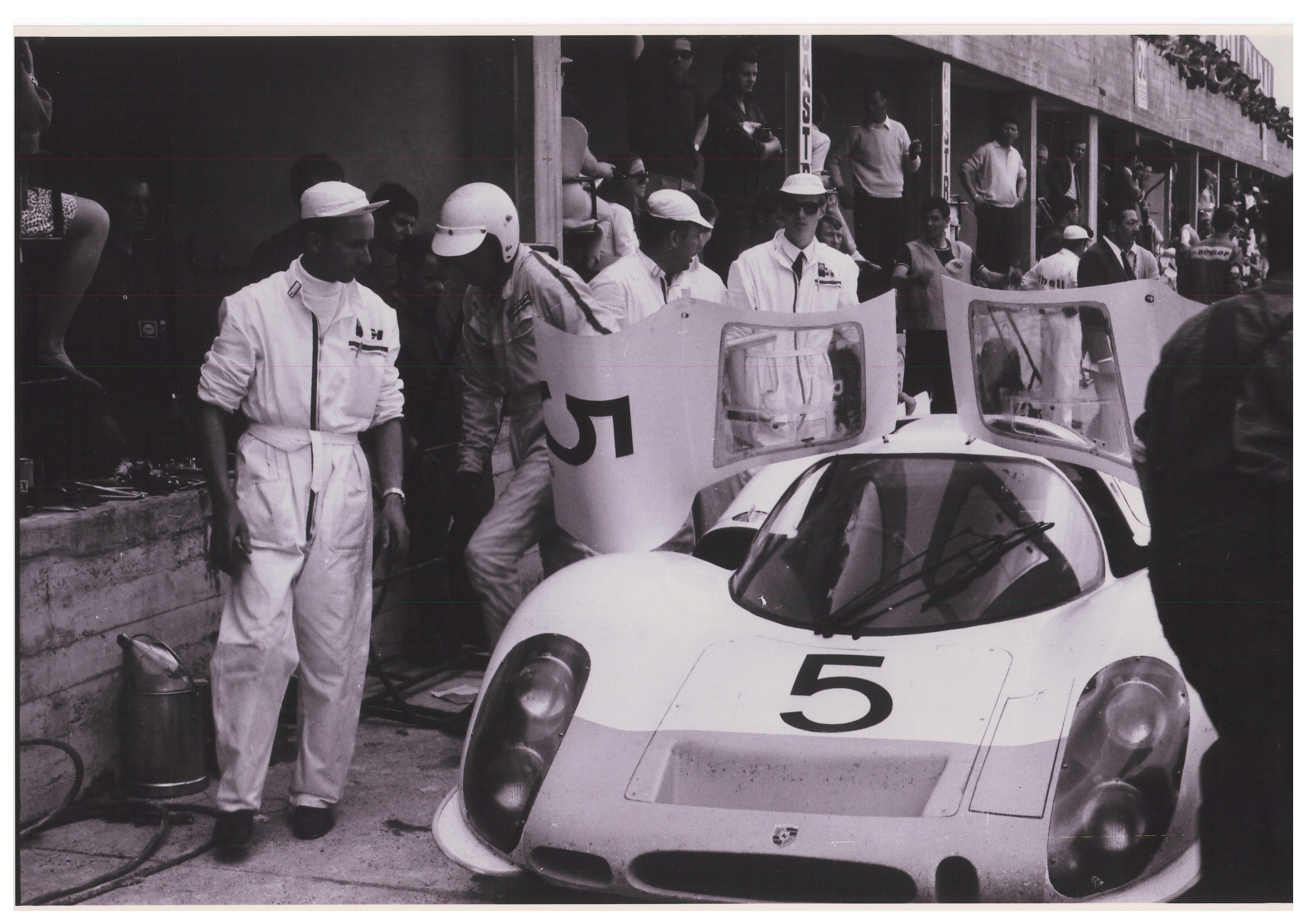
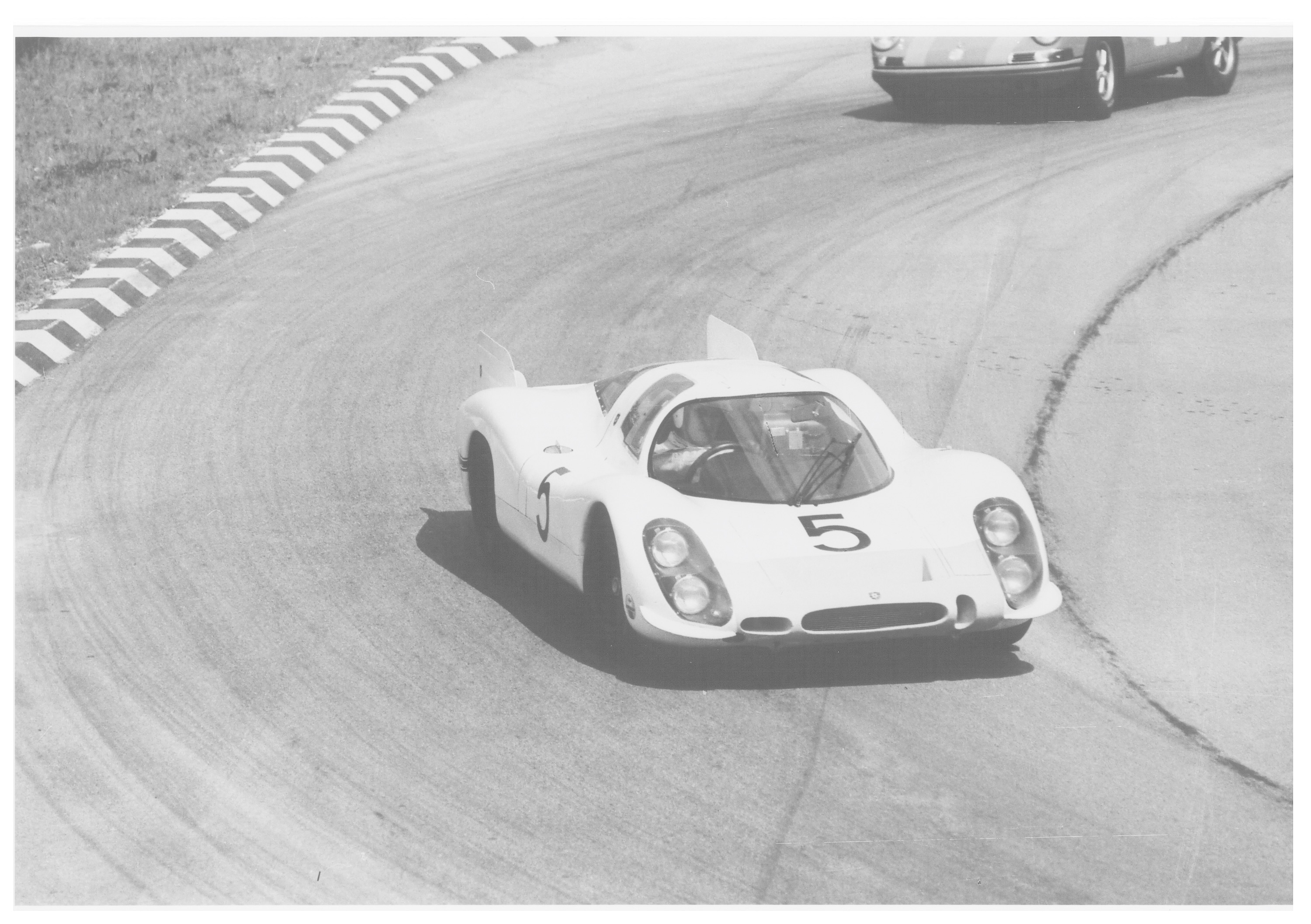
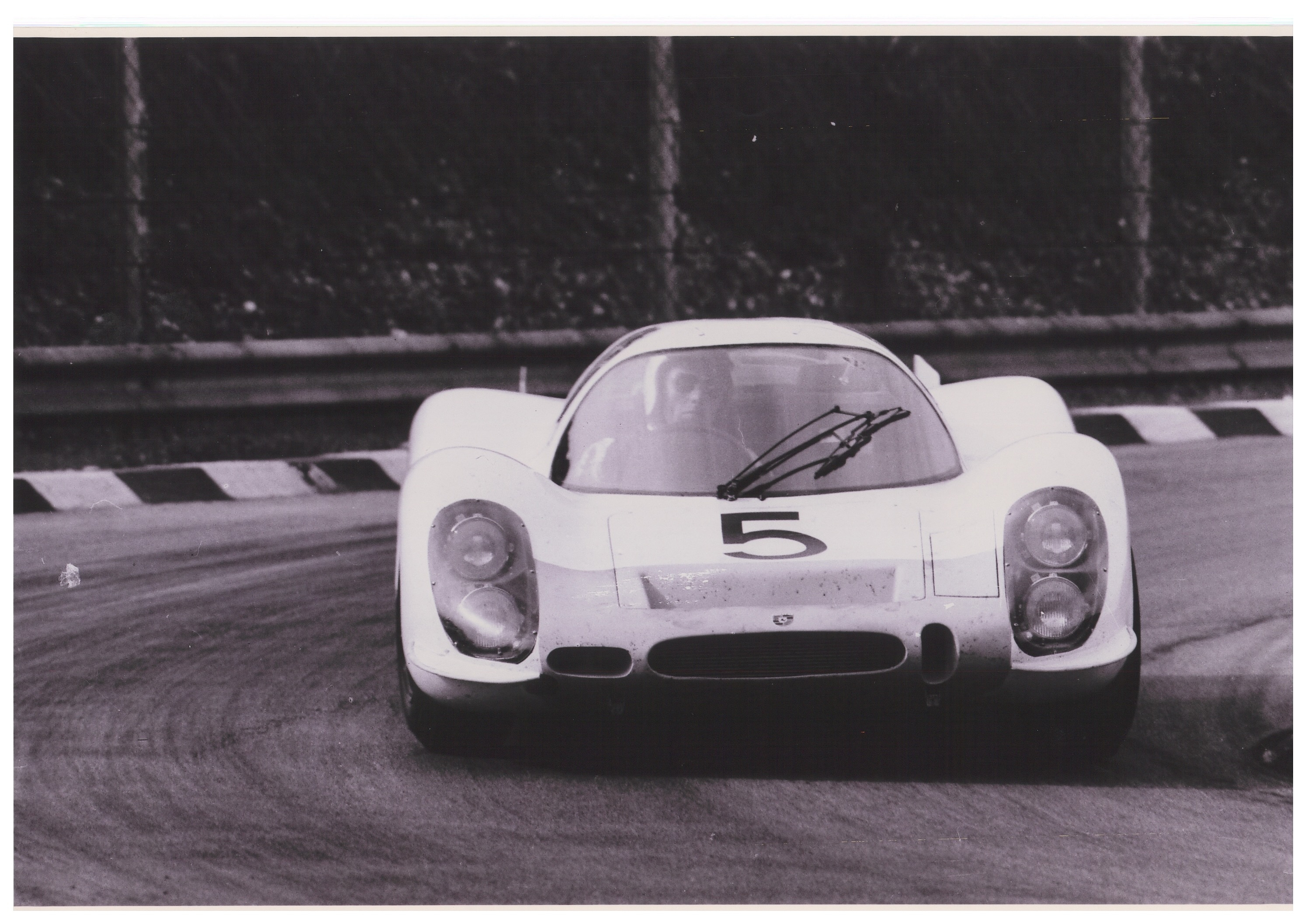
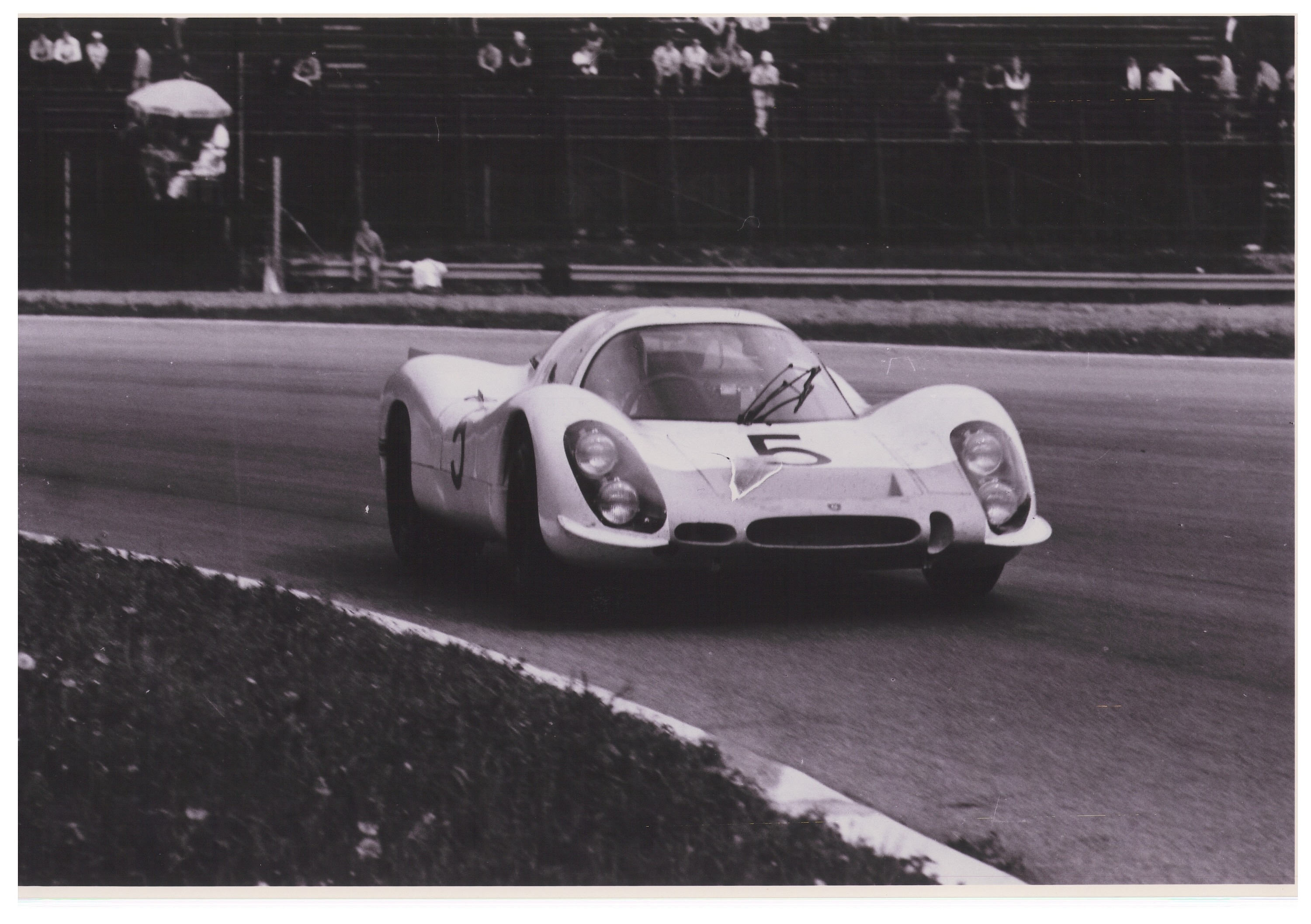
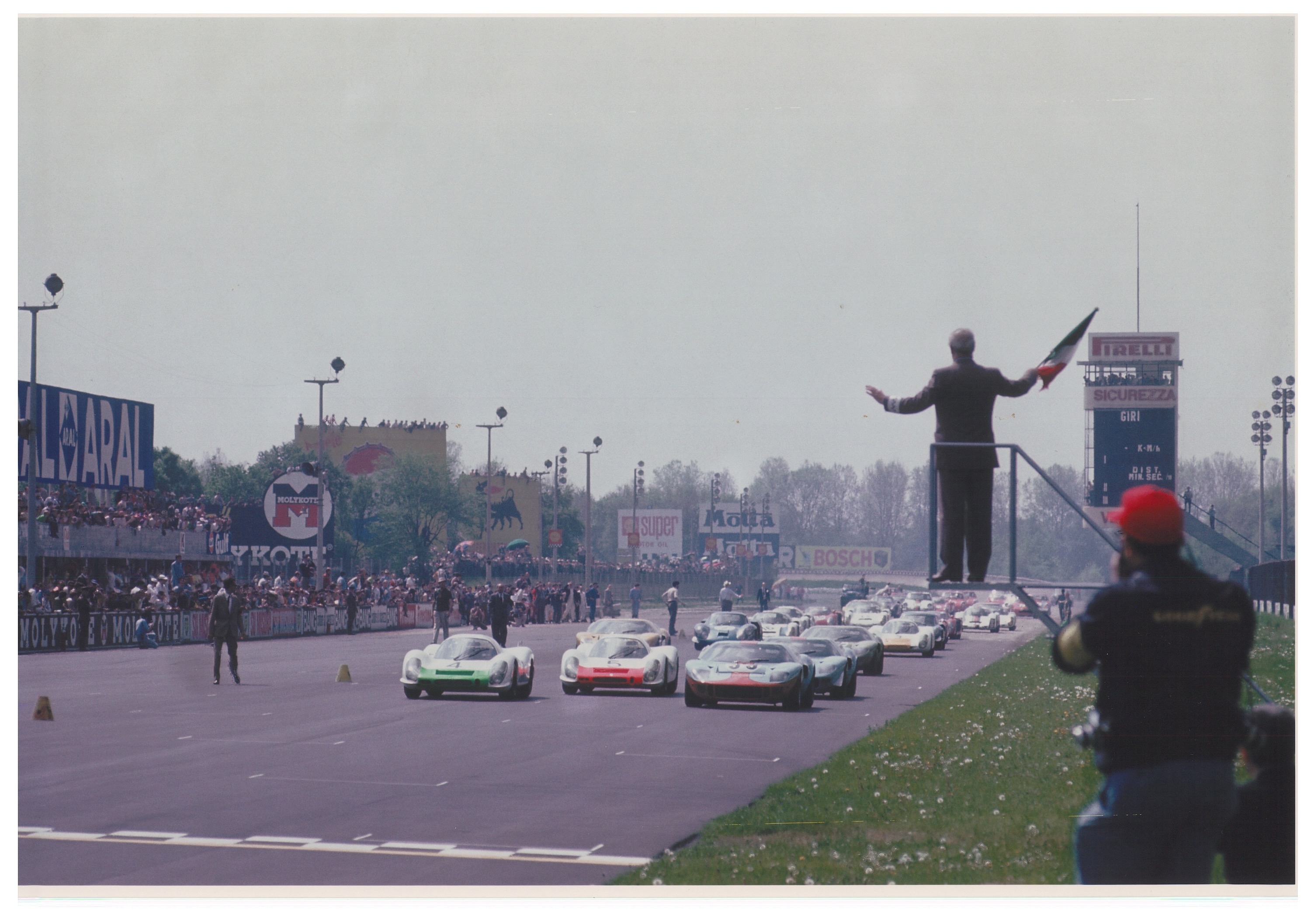
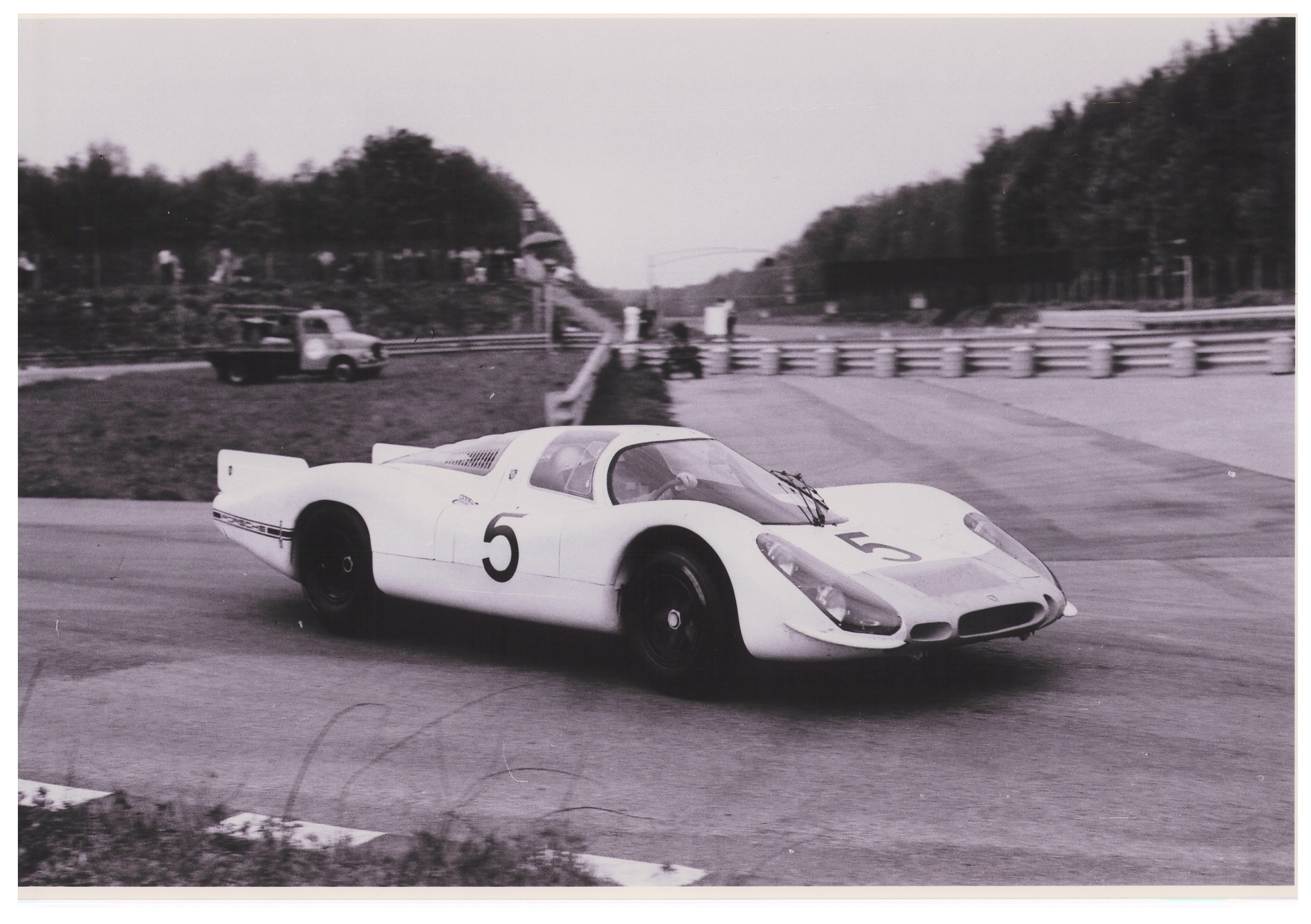
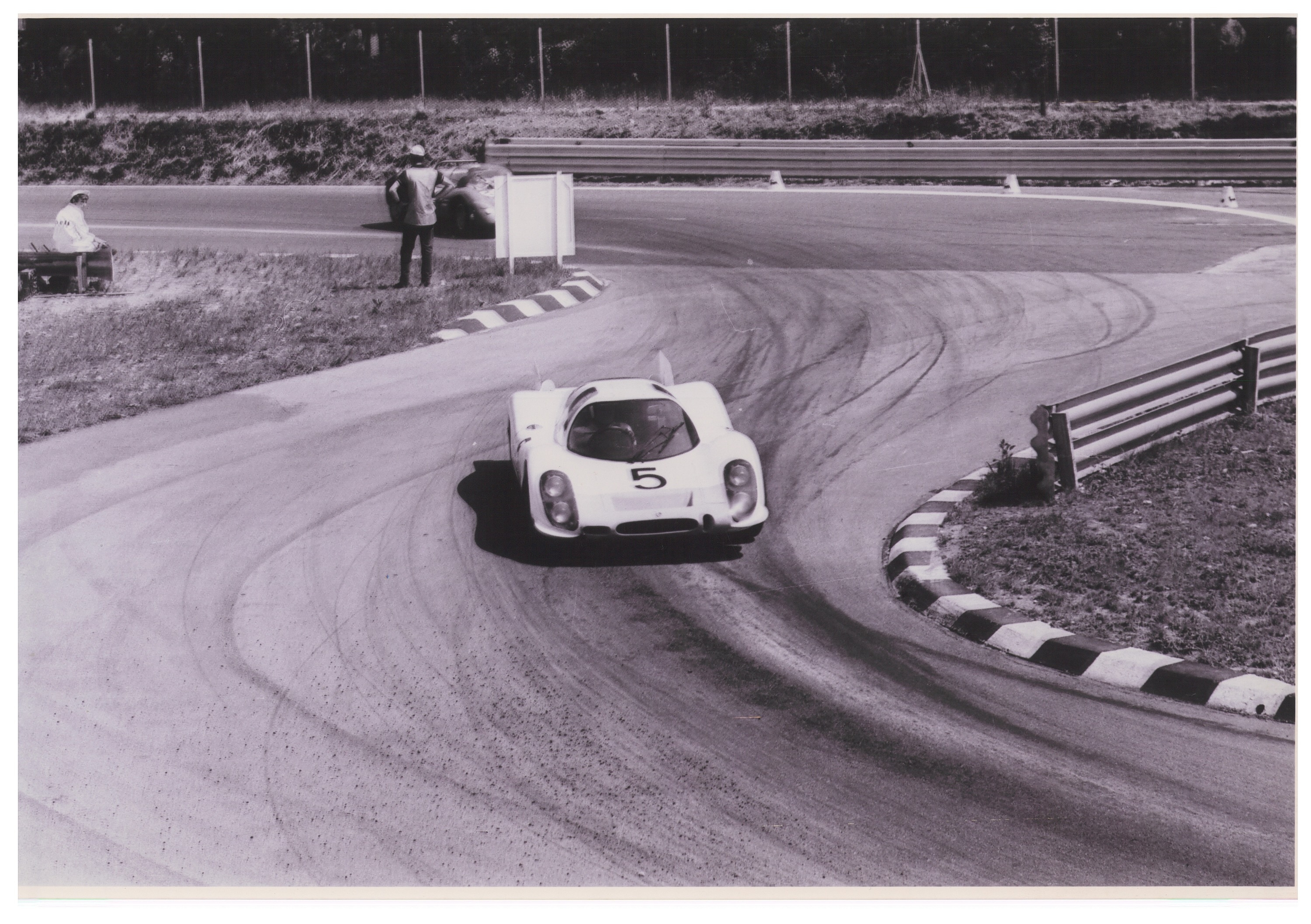
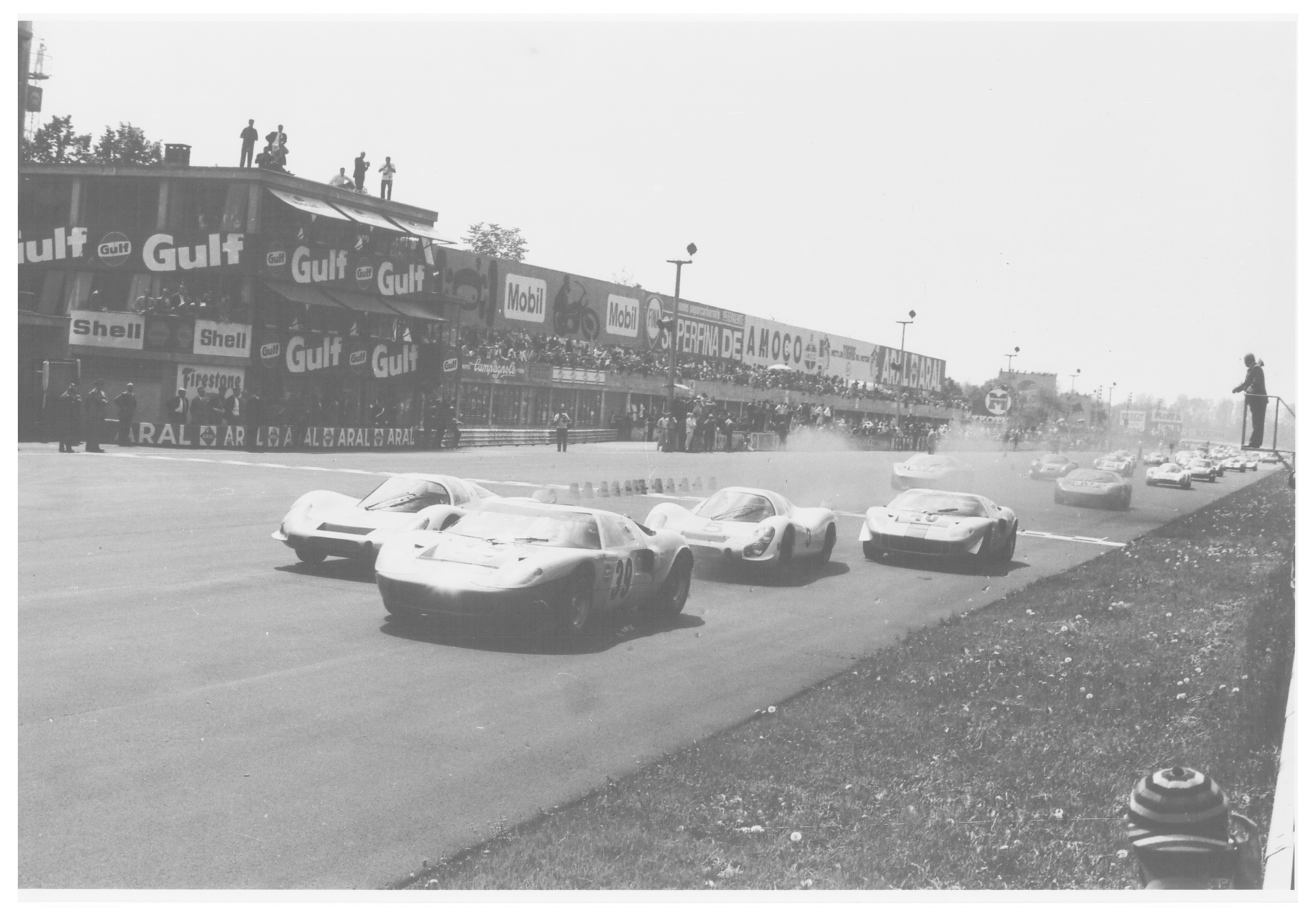
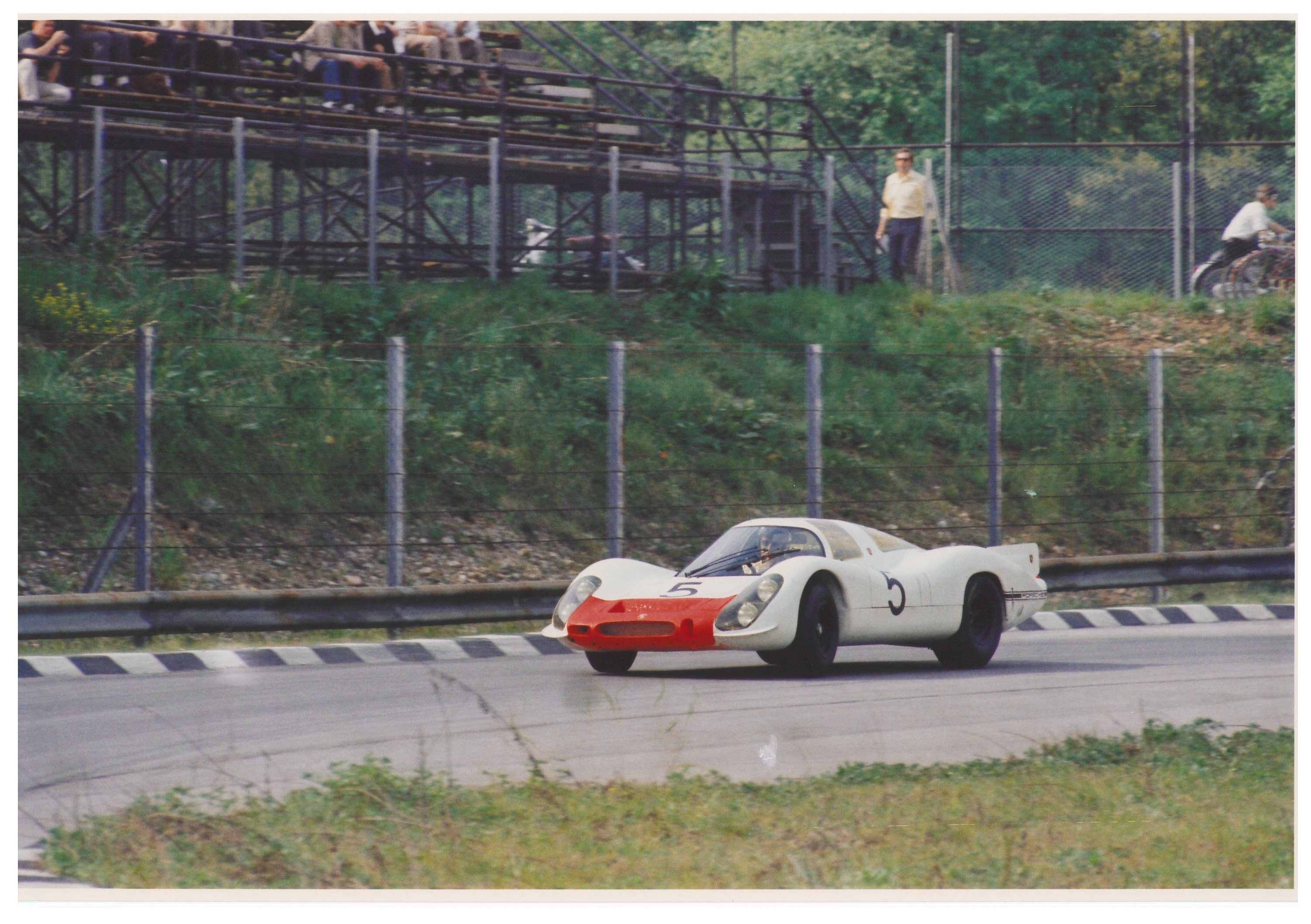
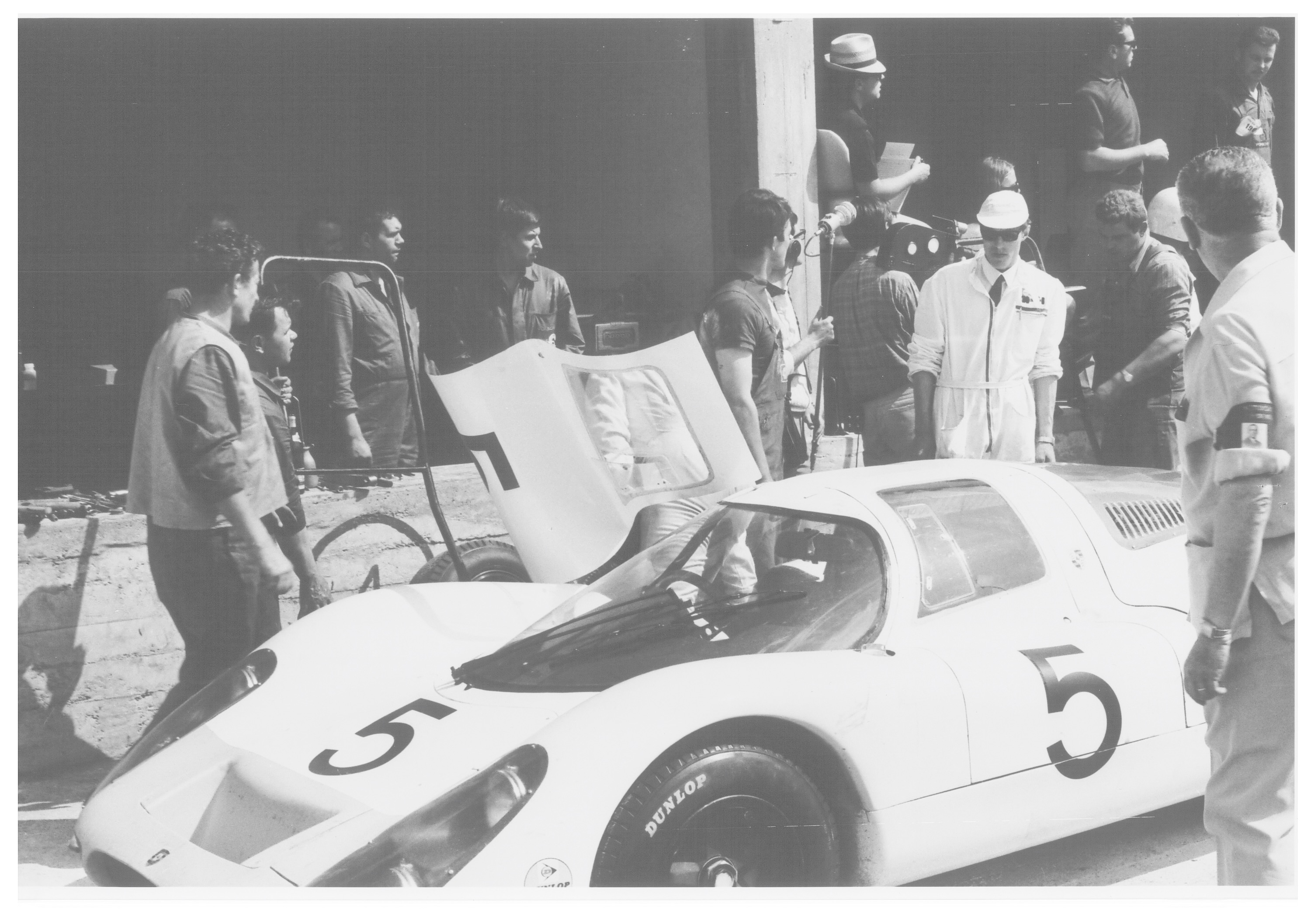
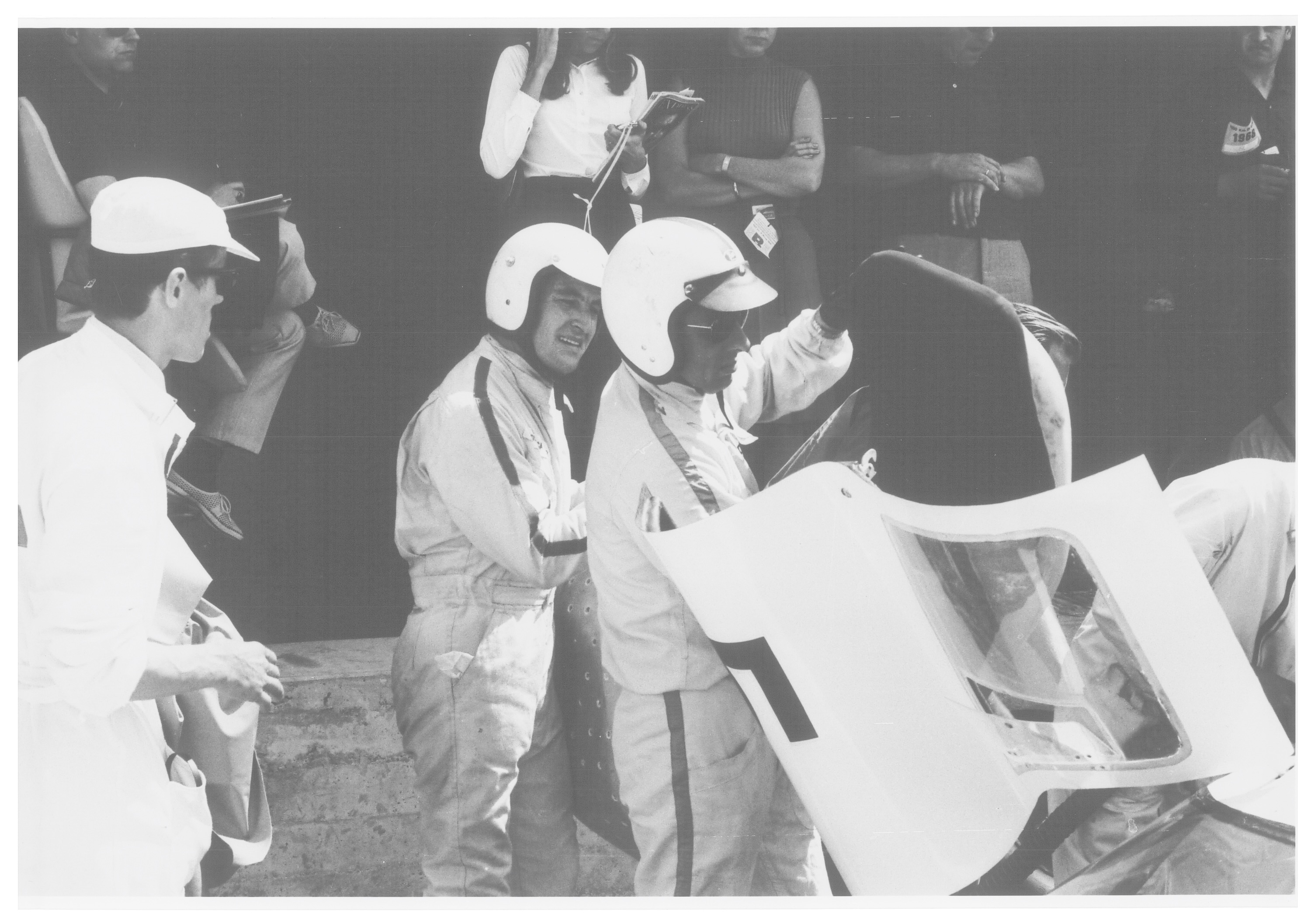
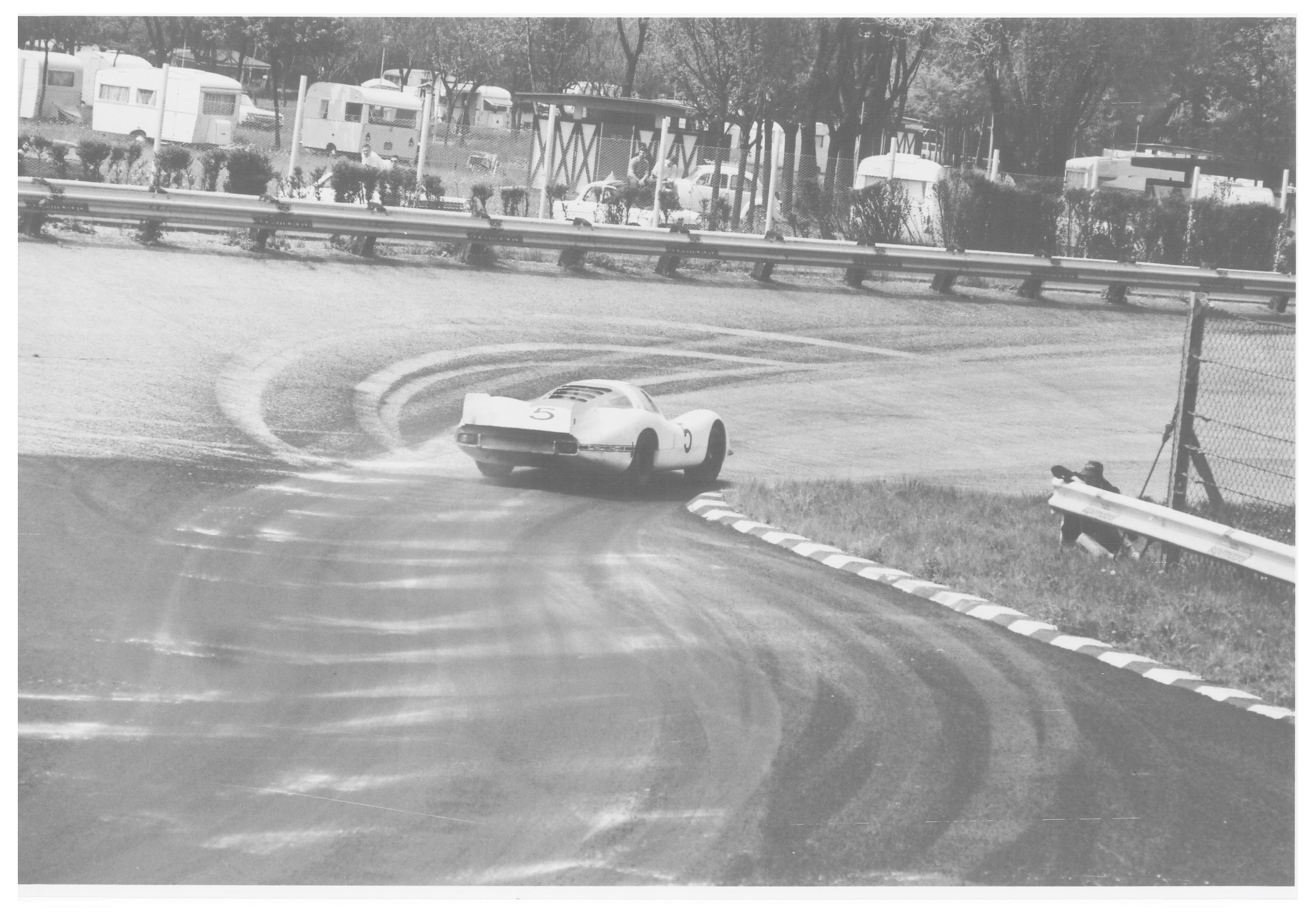
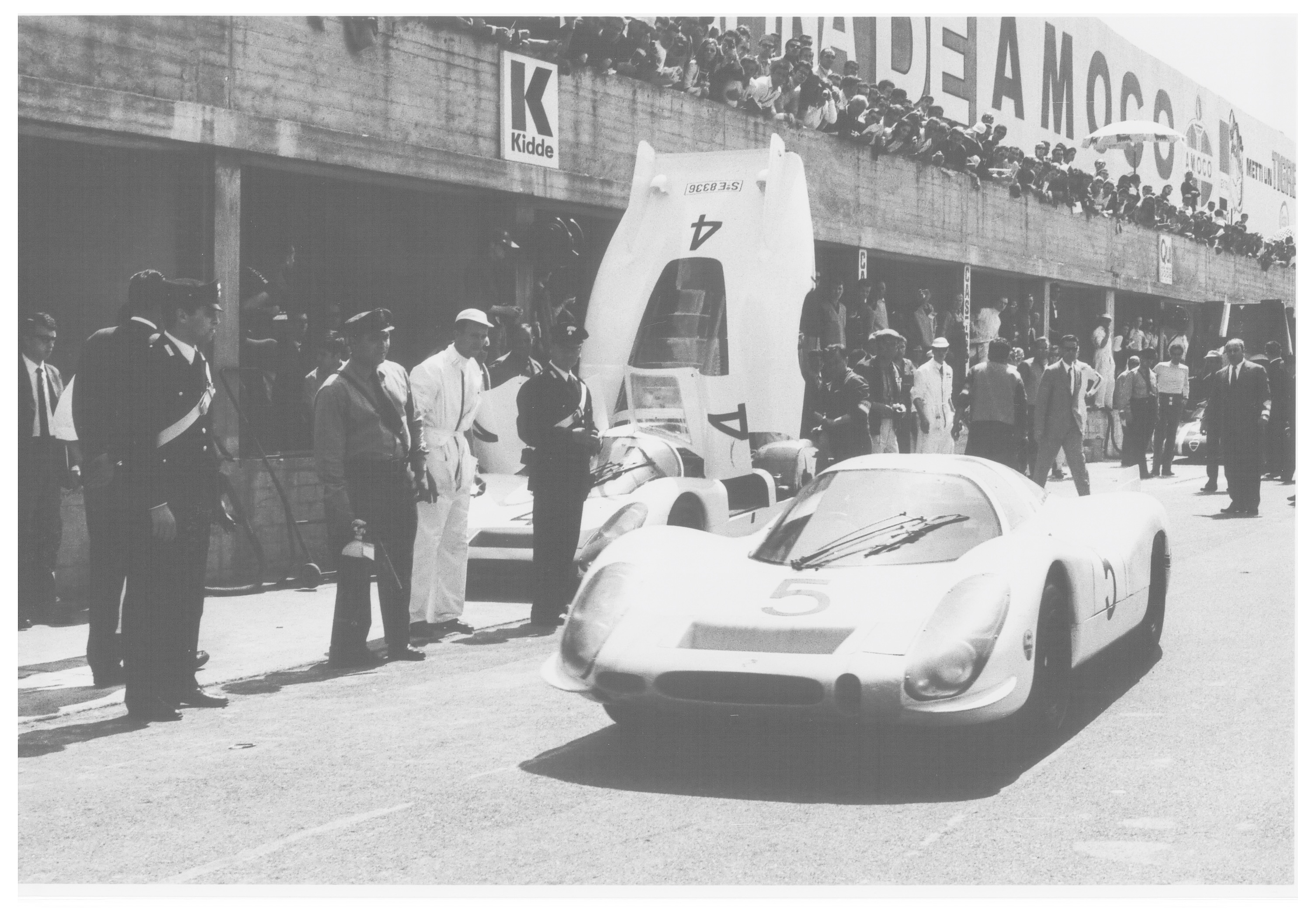
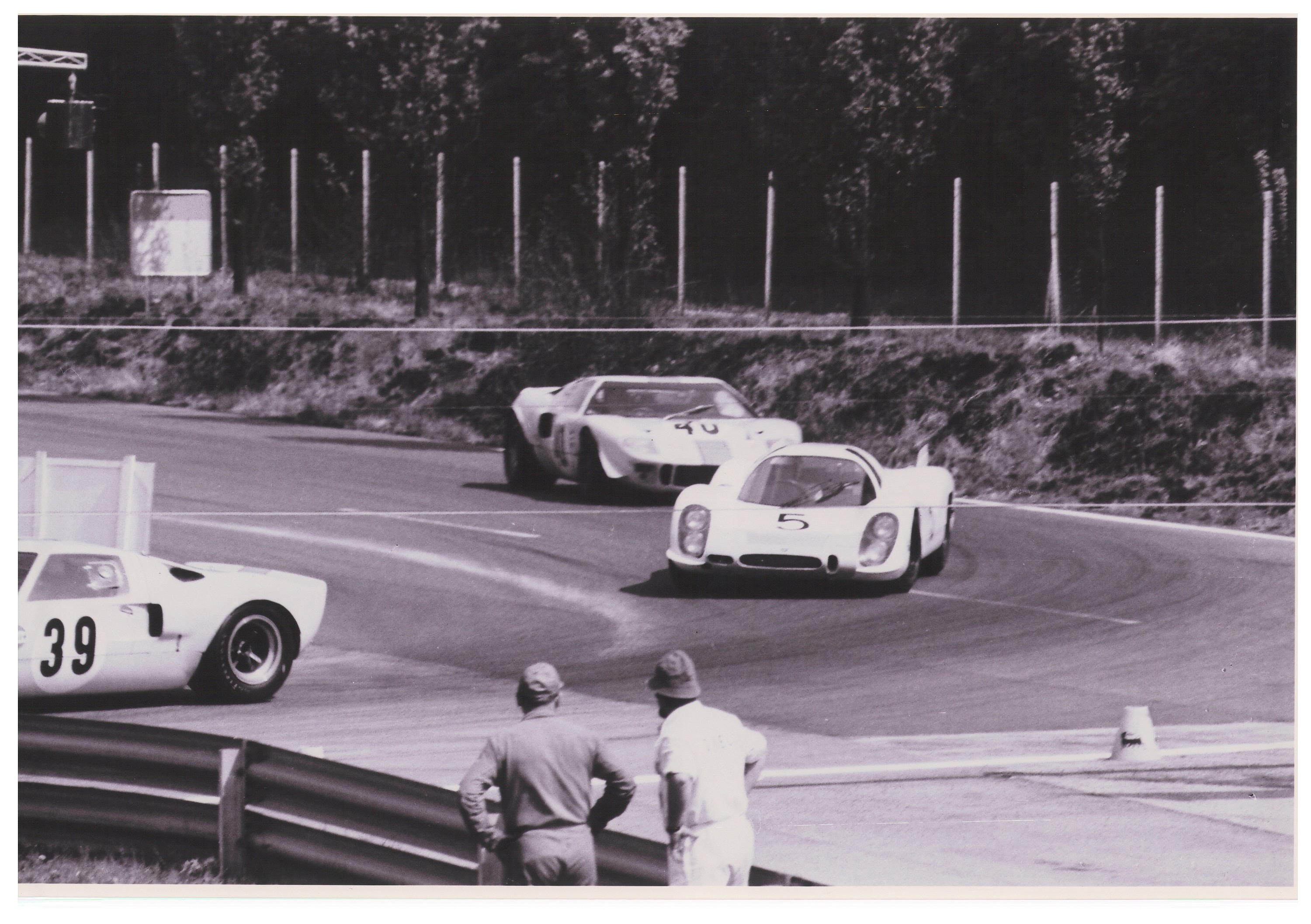
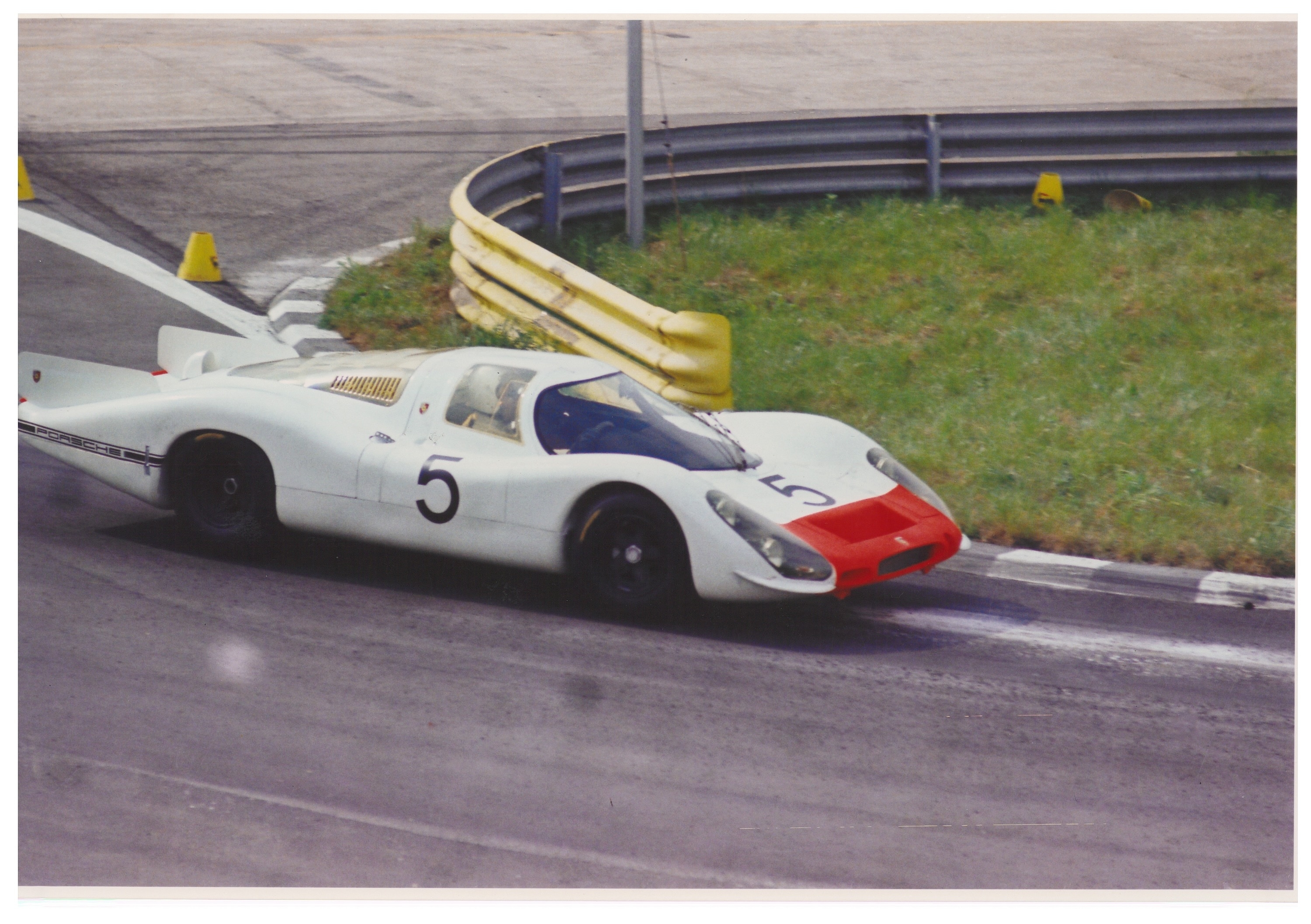
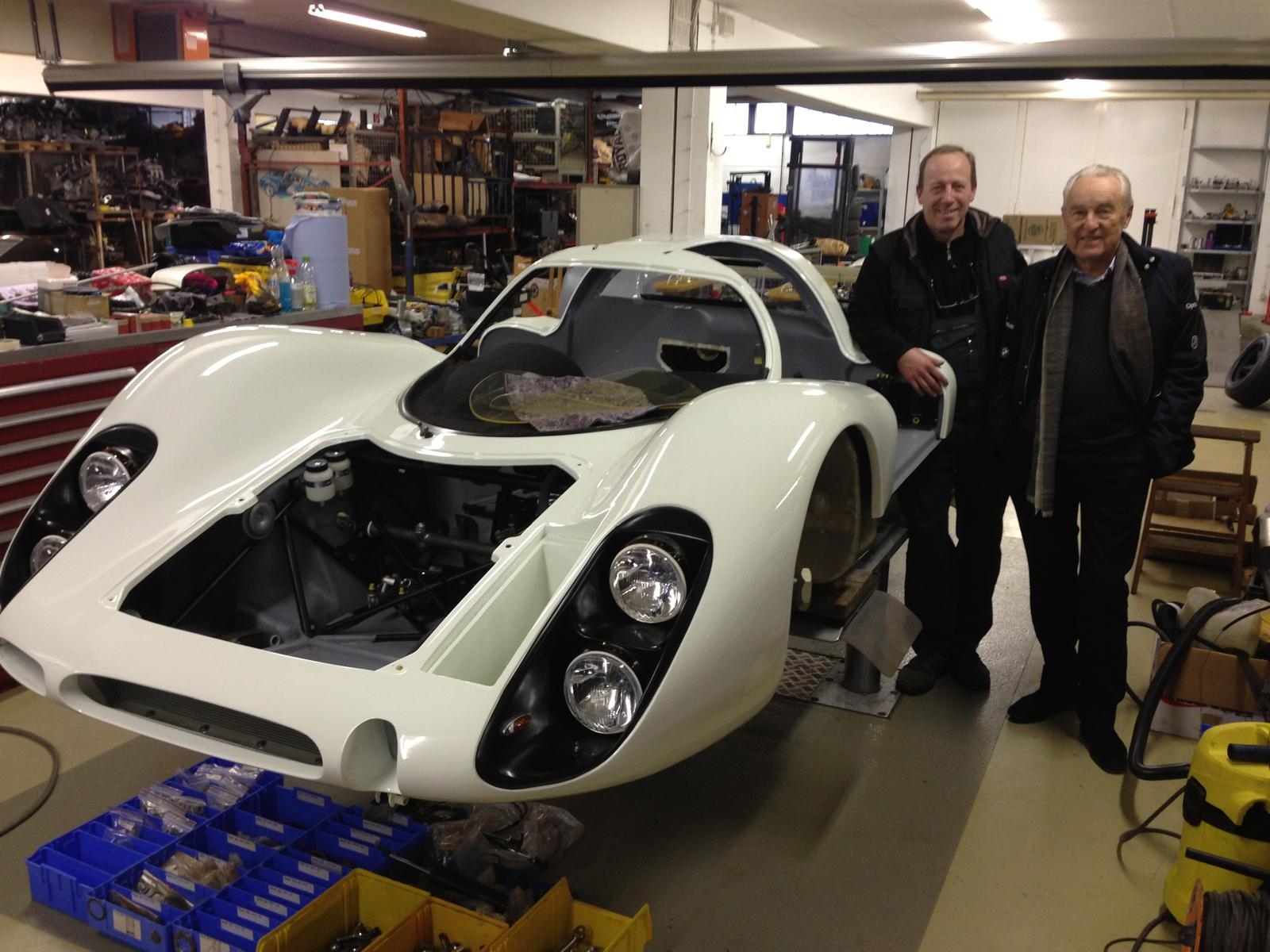
This 1968 908 LH chassis 004, a sculptural masterpiece is the second and final steel chassis built. It debuted at the Monza 1000 km, which was the first outing for the new 908 LH. Indeed, for the 24 Hours of Daytona, the new car was deemed not ready. This was the first time that the 908s would race at a high-speed track, and they were fitted with the iconic fins on the tail. These reportedly helped with stability, and were even heightened before the race. With the number 5, it was entered by former Ferrari star driver Ludovico Scarfiotti and Gerhard Mitter, and it qualified in 4th place. They made a great start, battling with JWA's GT40s. However, as reported in the June 1968 issue of Motorsport Magazine, 'At the 26-lap mark, just after the quarter distance, the second 3-litre Porsche came into the pits with a poorly running engine. After two attempts to adjust the throttle linkage, it was discovered that one of the fuel injection pipe unions was loose. This left the two Gulf Fords in complete command". After repairs, the car finished the race in 11th position overall and 3rd in the Prototype class. The next outing for 004 was the SPA 1000 km. It was then fitted with new 15-inch wheels and low-profile tyres, and was driven by Vic Elford, who was given the number 5T for practice only. Elford was actually given the choice of starting the race with the K or LH version and chose the 908 K, as the race was to take place in heavy rain, as reported in period magazines. Porsche did not use 908-004 anymore as the 908s would race from Le Mans with aluminium chassis and movable rear wings.
As it was no longer of any use, the car was officially written off the Porsche books in October 1968. This was a common practice at Porsche at the time, as they would only use the cars for a race or two before building a new car or moving on to the next project. However, things were rarely lost back then, as this car was reportedly handed to Hans Dieter Dechent, who was closely related to Porsche. He gained a strong reputation as driver, sharing the wheel with the likes of Jochen Neerspach and Reinhold Joest. In 1970, he founded the 'Martini & Rossi International Racing Team', later known as 'Martini Racing', and entered 908s in 1970 and 917s in 1971. The team actually won Le Mans in 1971 with the famous duo Marko and Lennep. However, the cost of running 917s proved extremely high for the team, which went bankrupt at the end of the season, despite the legendary reputation of Martini Racing. Dechent then worked for Porsche, and the iconic Martini sponsorship was transferred to the Porsche factory racing effort. Following a dispute with Martini Racing driver Gérard Larrousse over unpaid wages, Dechant gave him the 908-004 in May 1971. The car was in a sorry state. Larrousse said that he did not really know what to do with the car and decided to store it at Freisinger. After his career as a racing driver, Larrousse went on to have a successful career as a team manager and owner in Formula 1; during this period, he paid little attention to the 908.
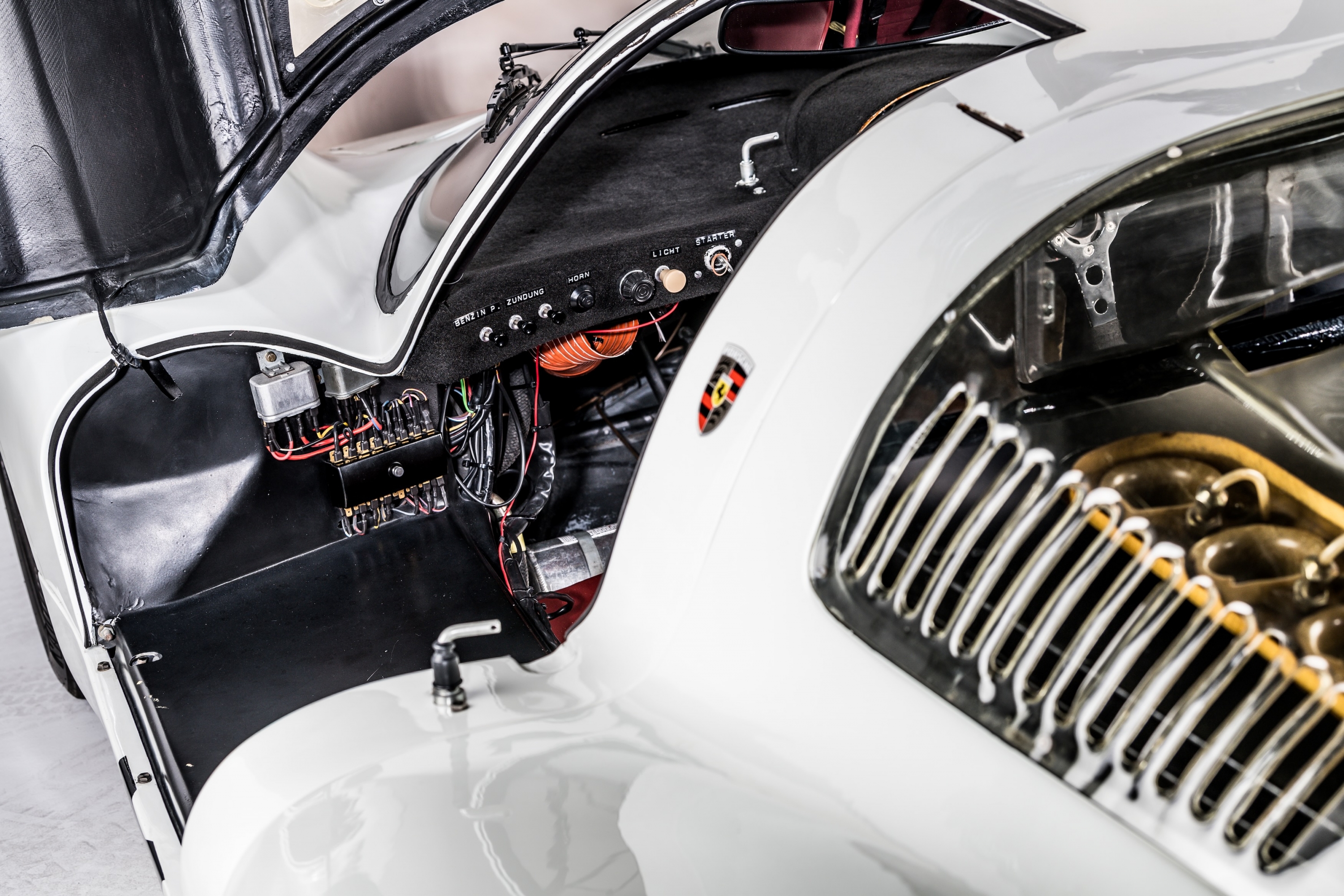
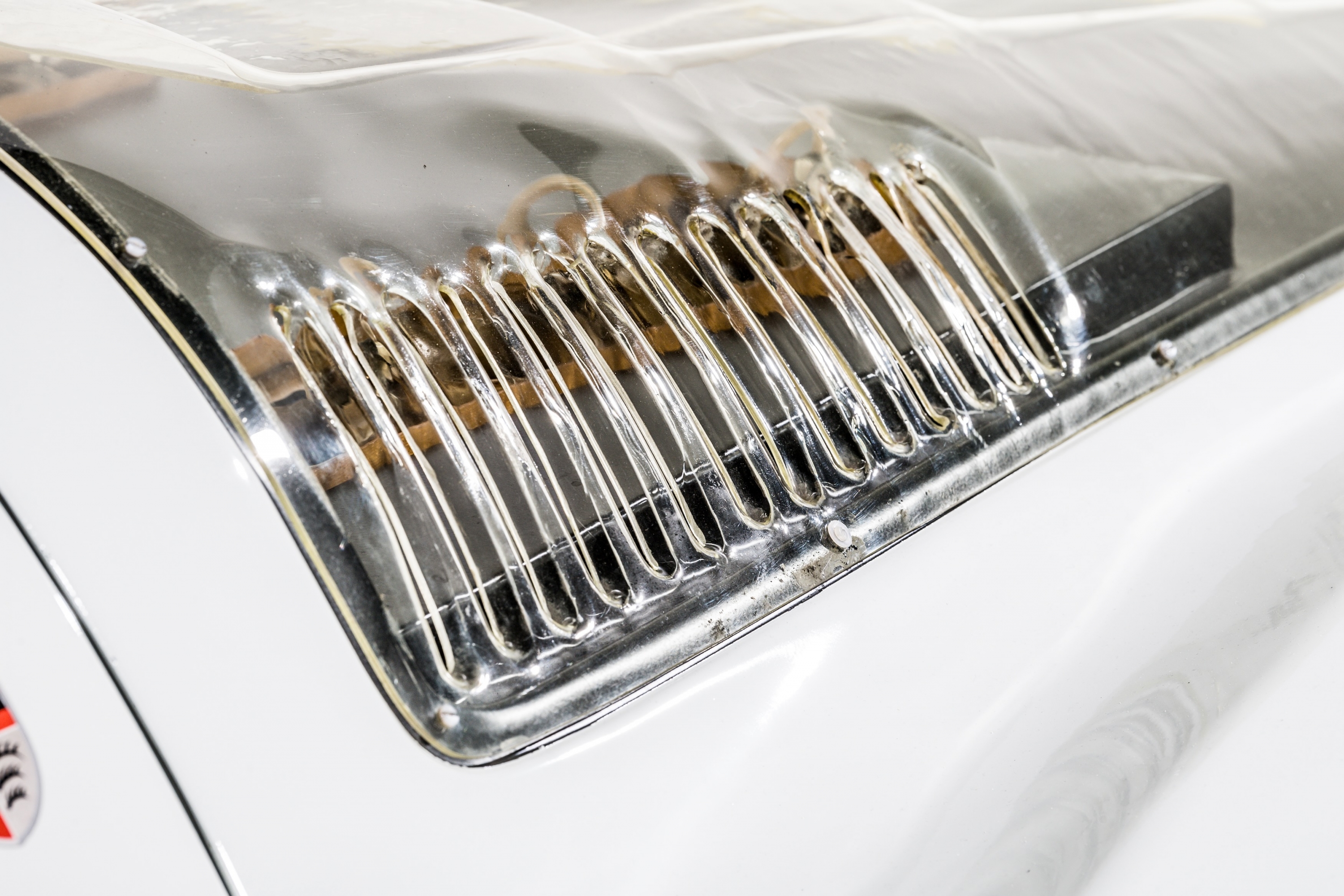
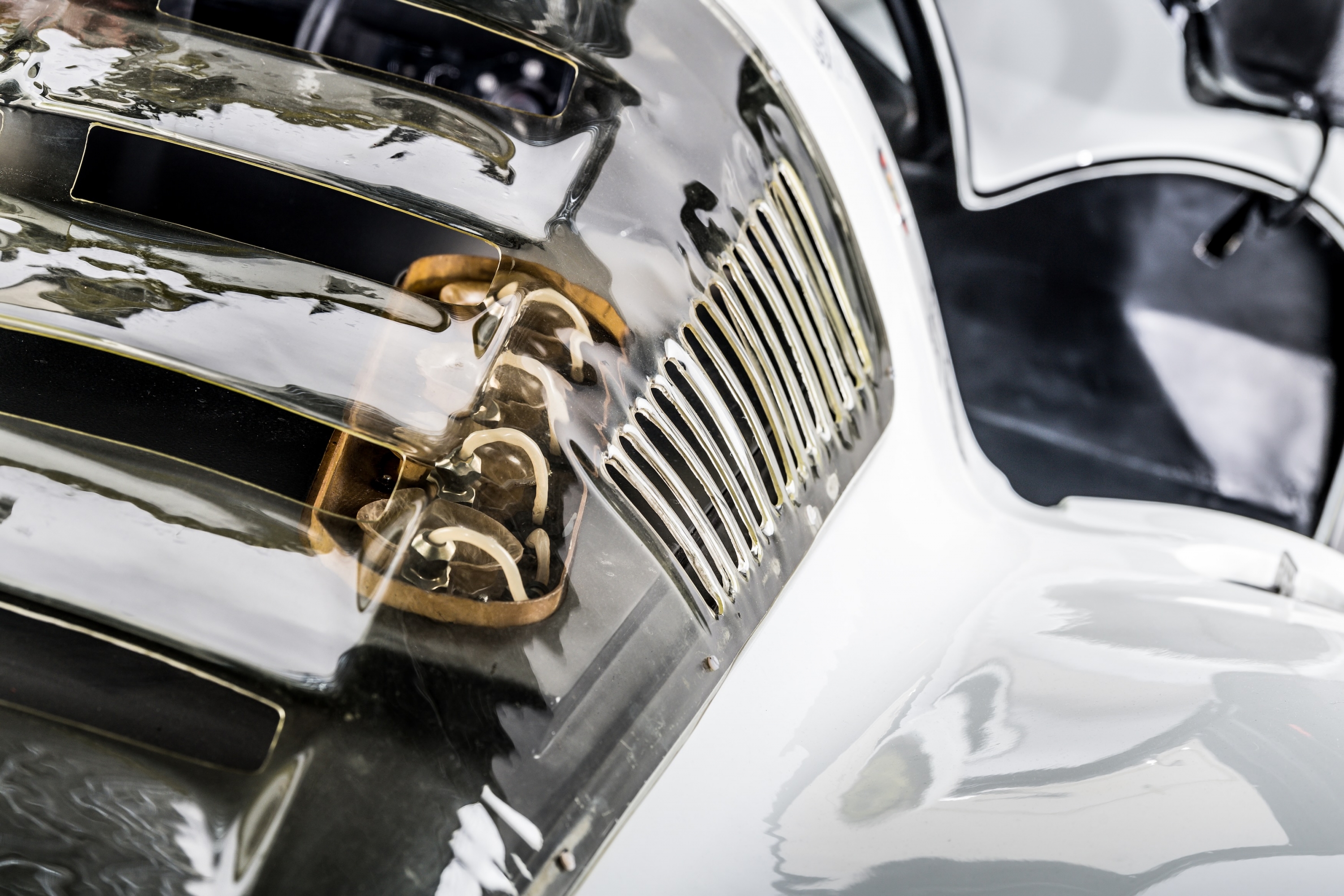
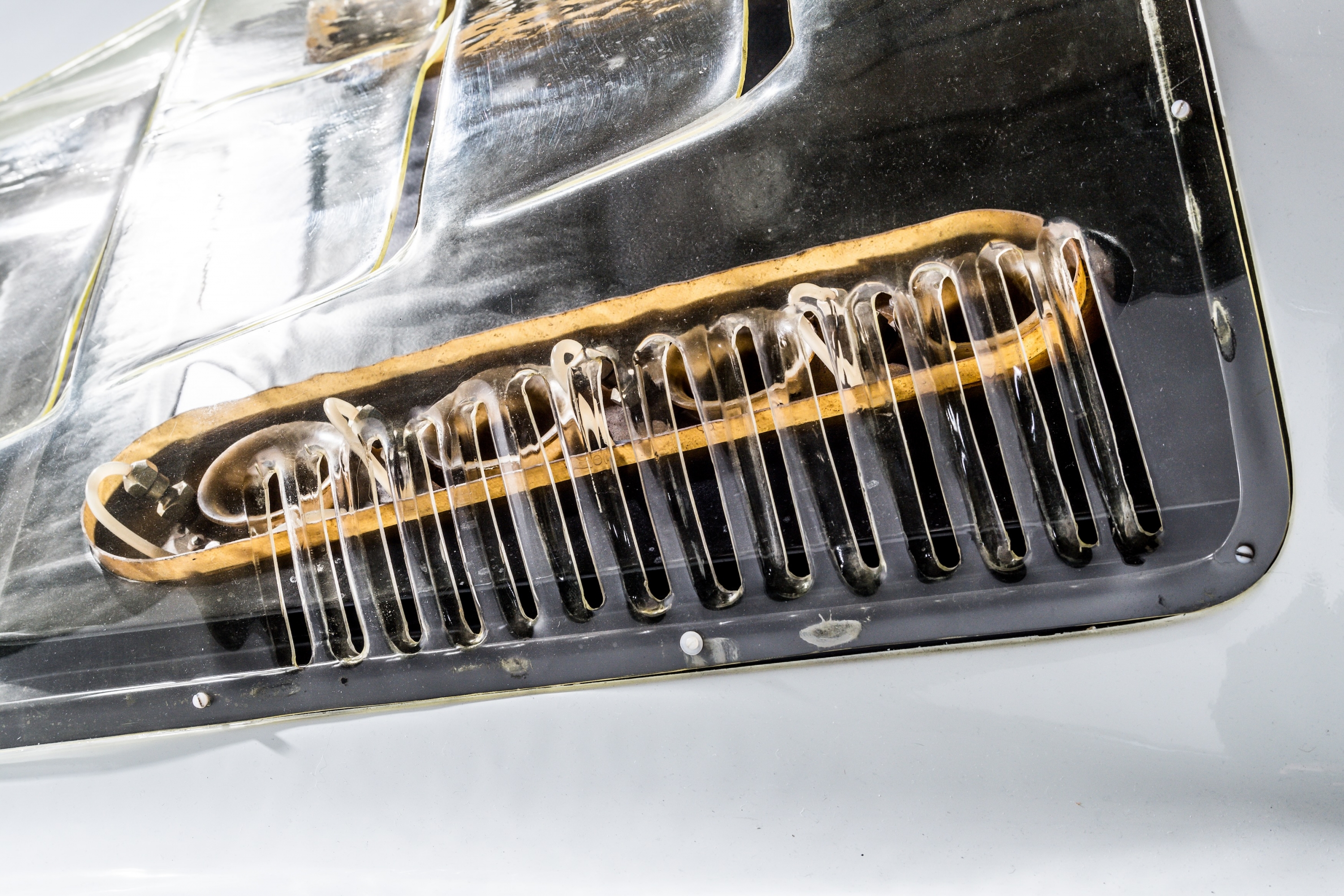
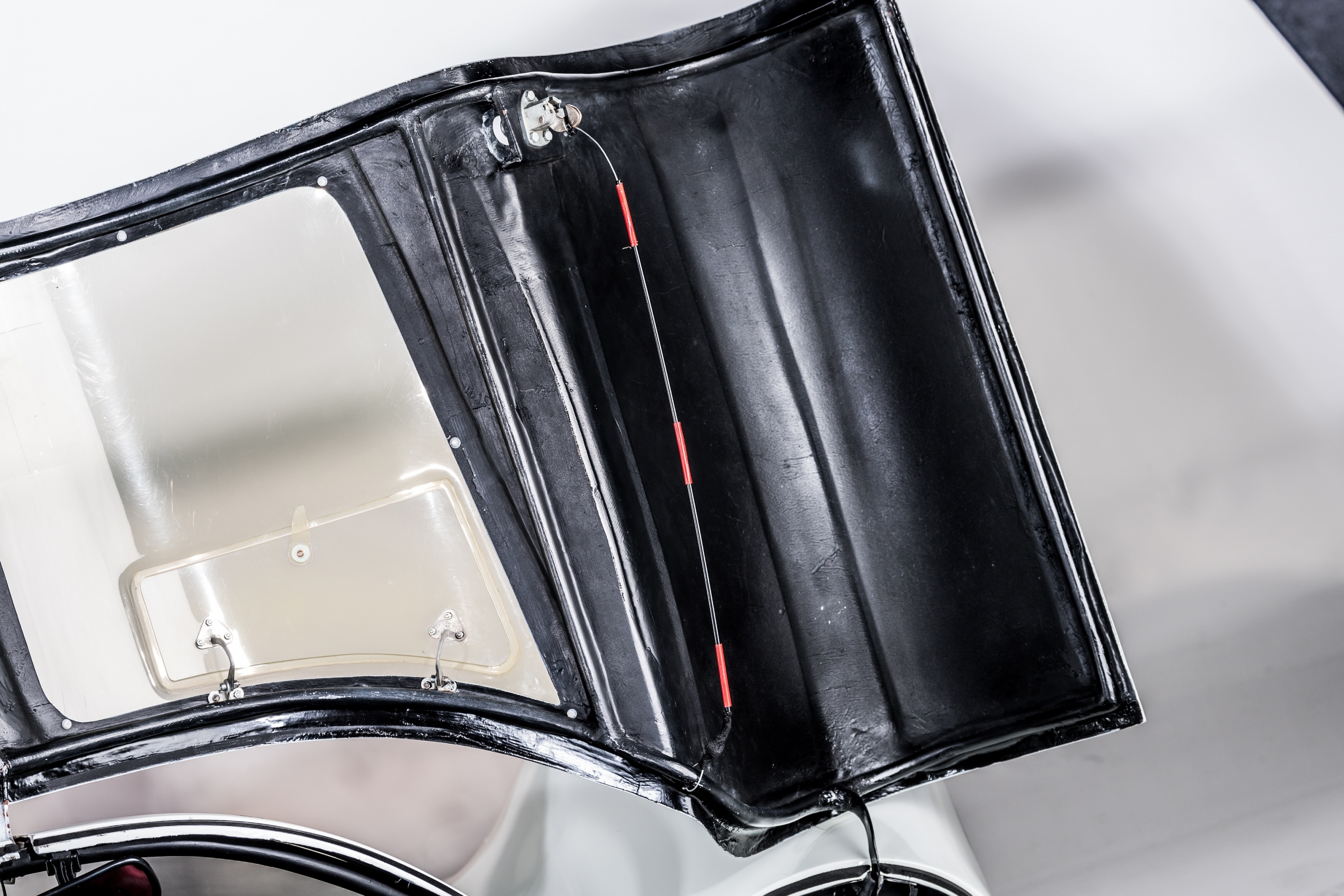
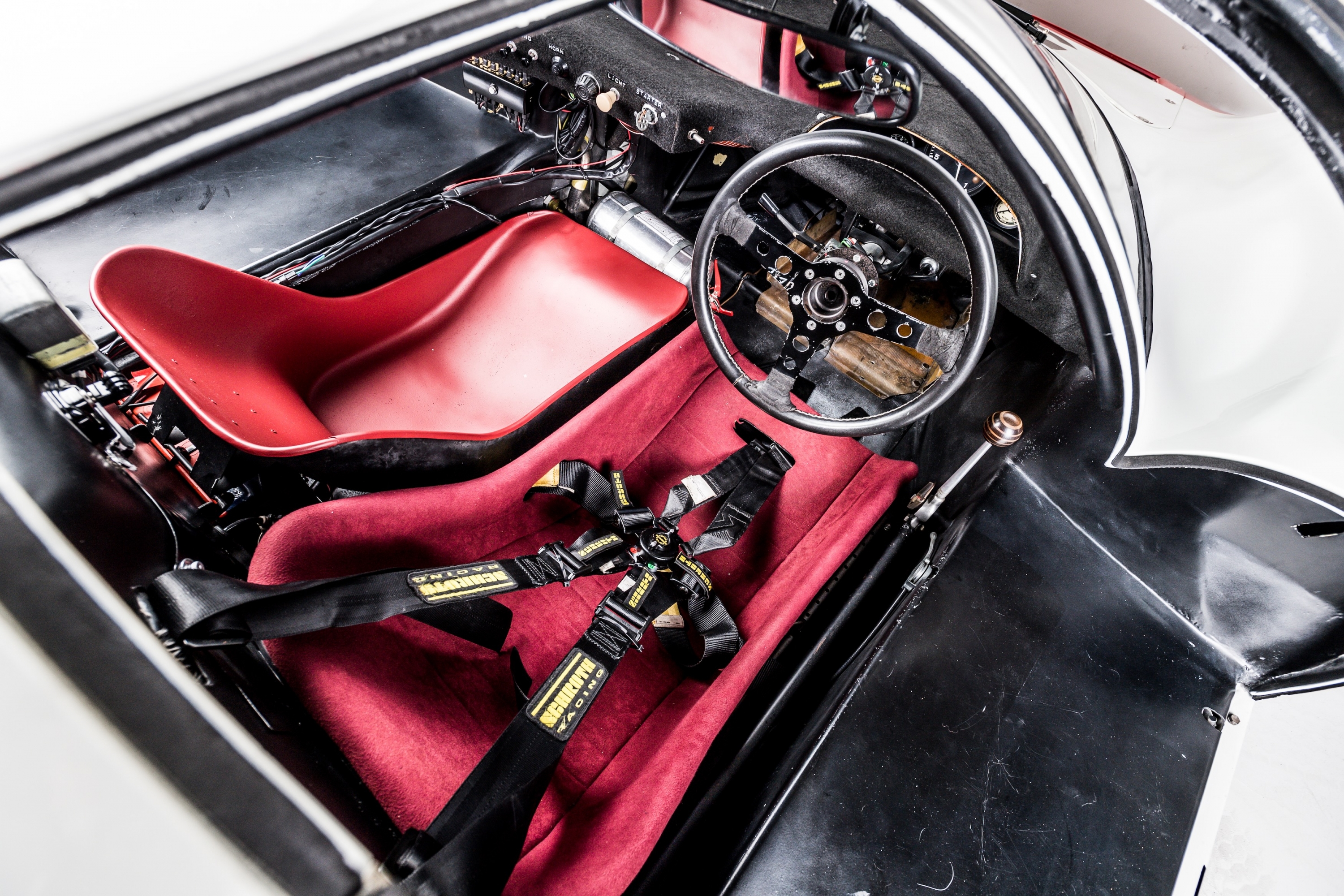
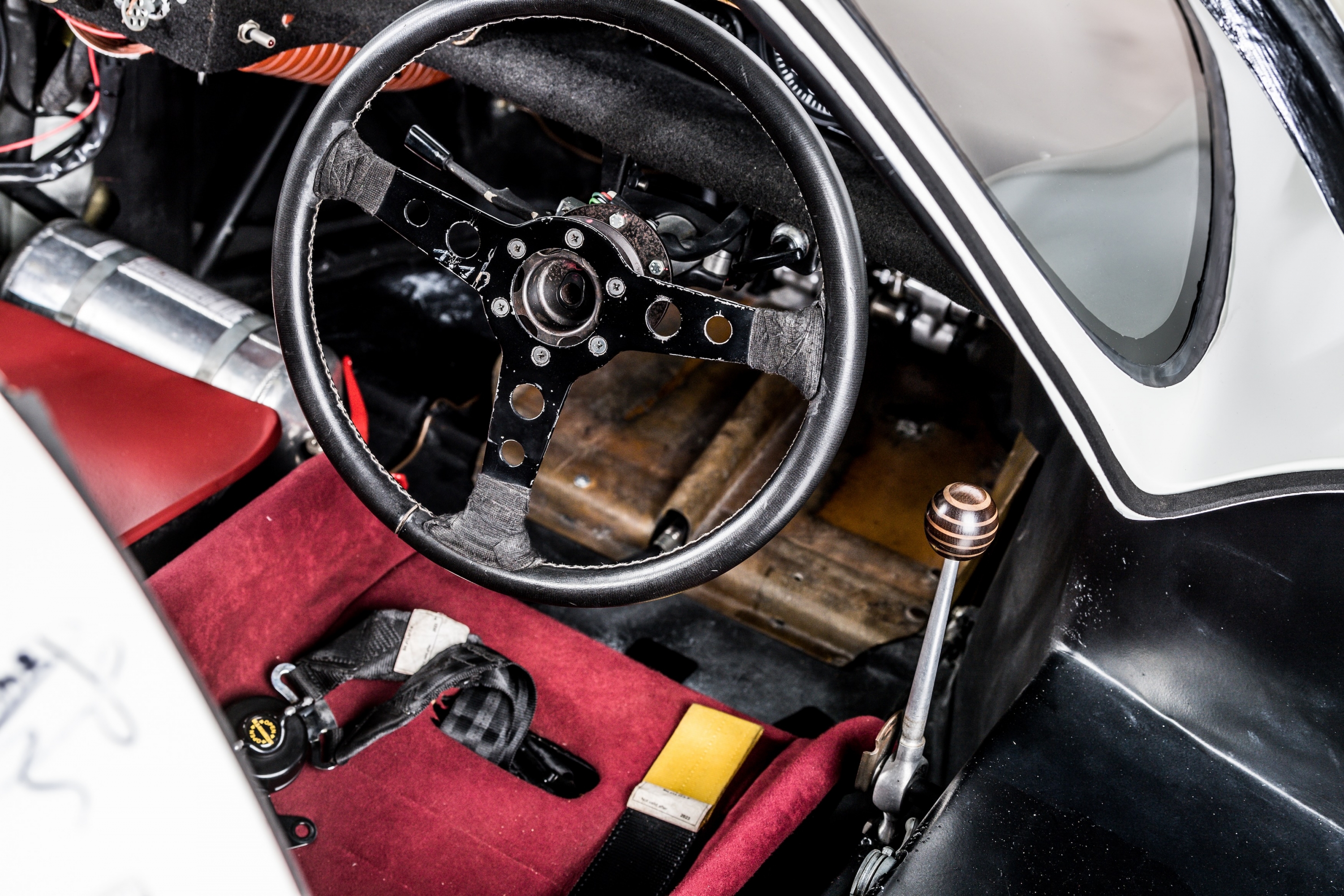
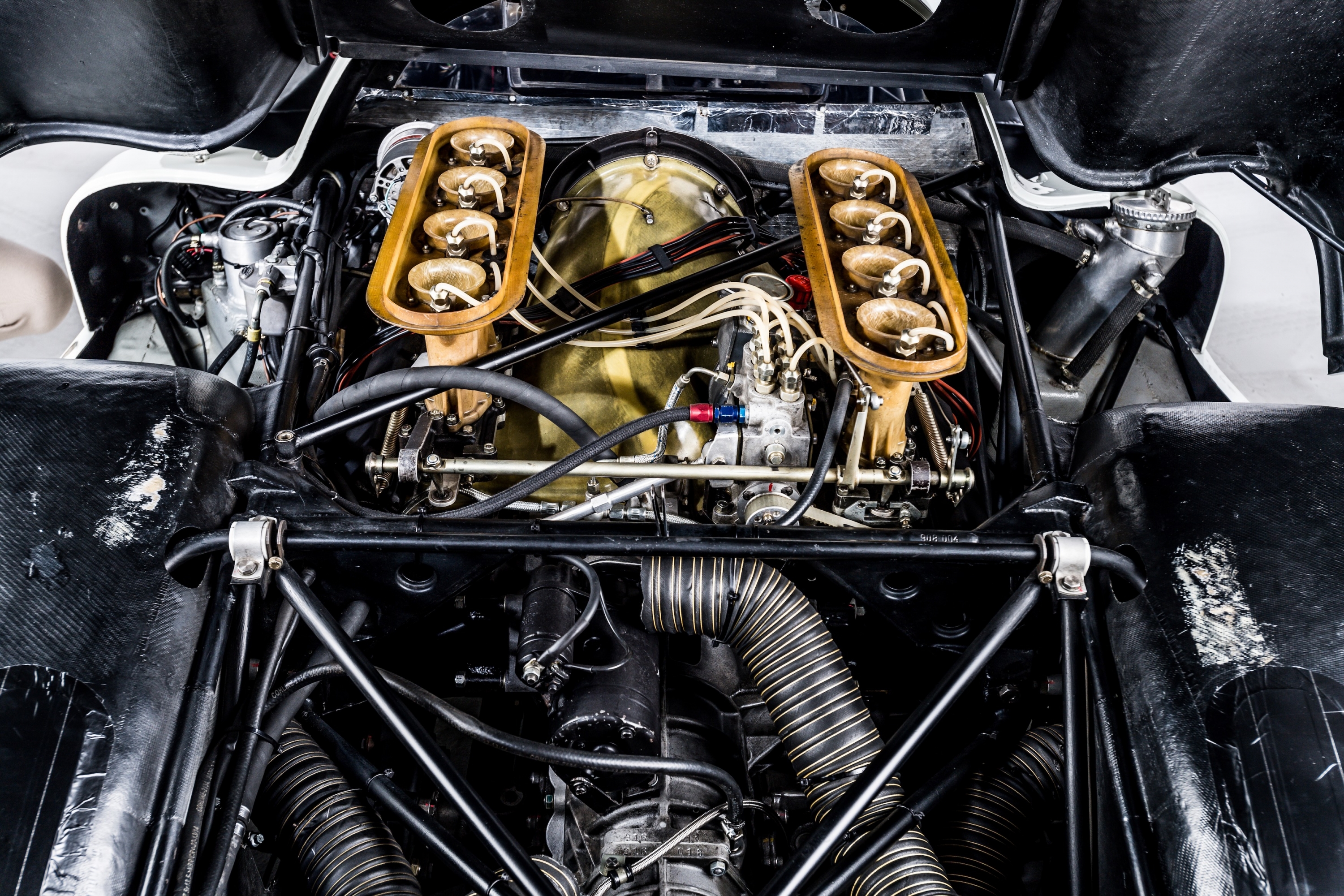
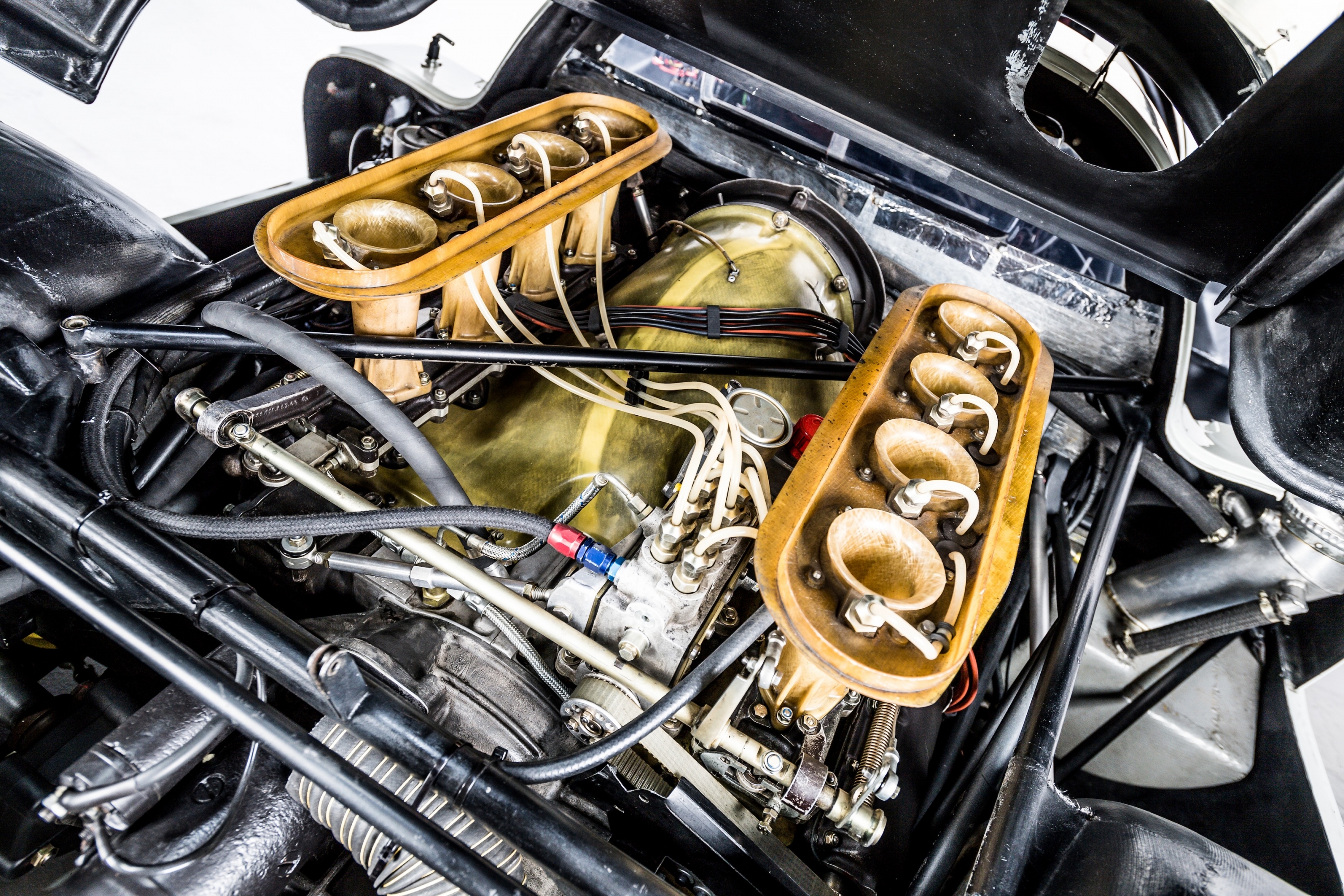
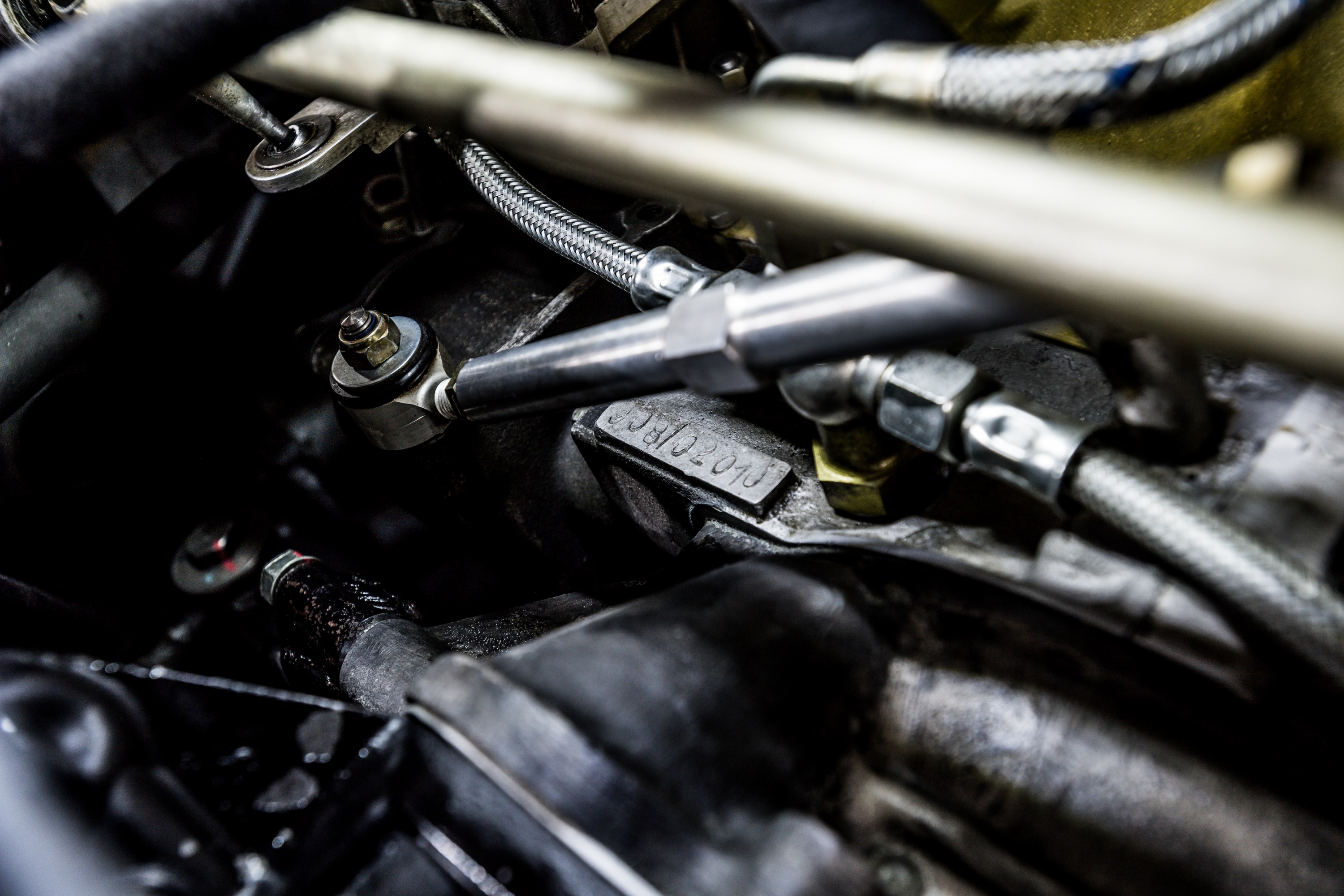
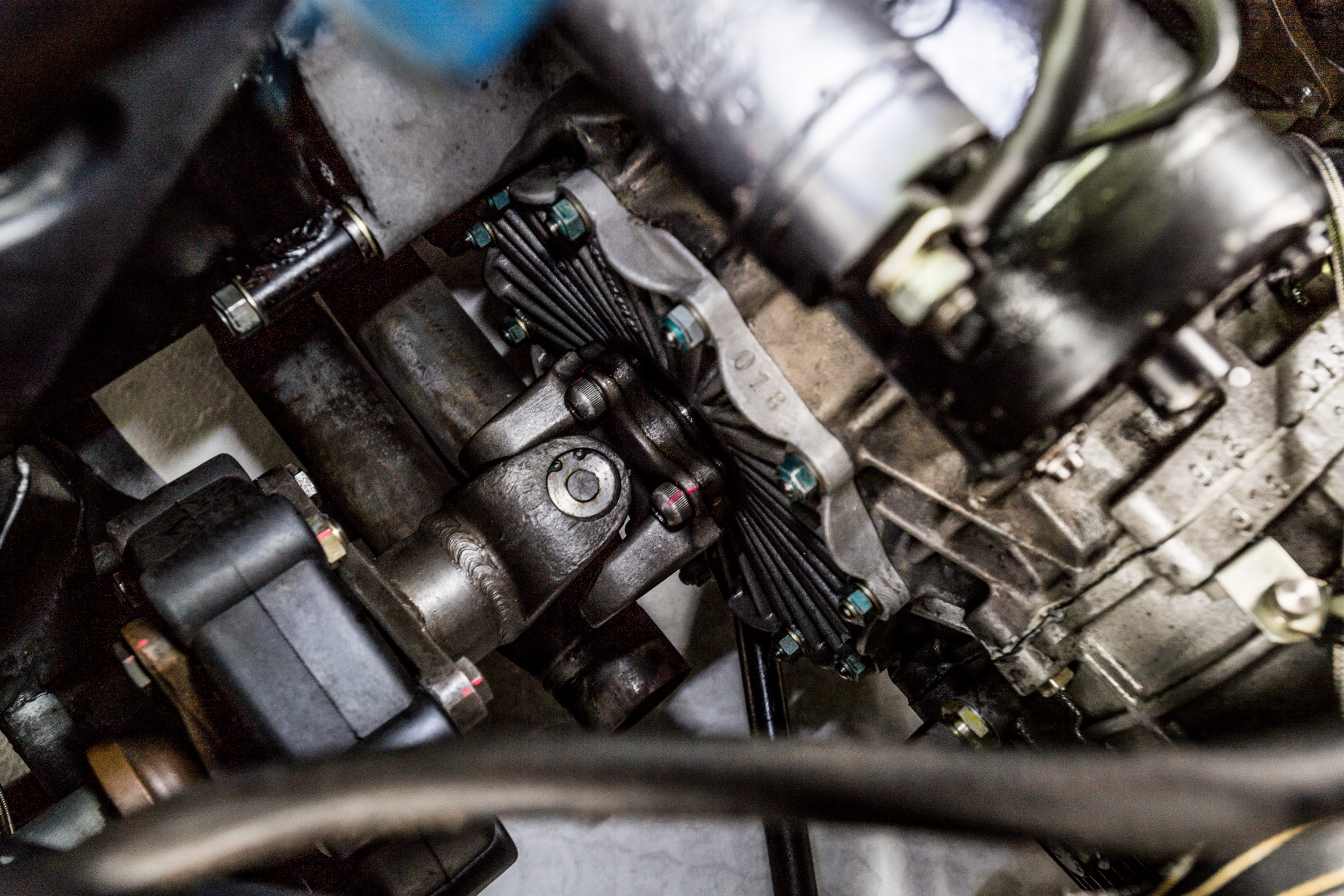
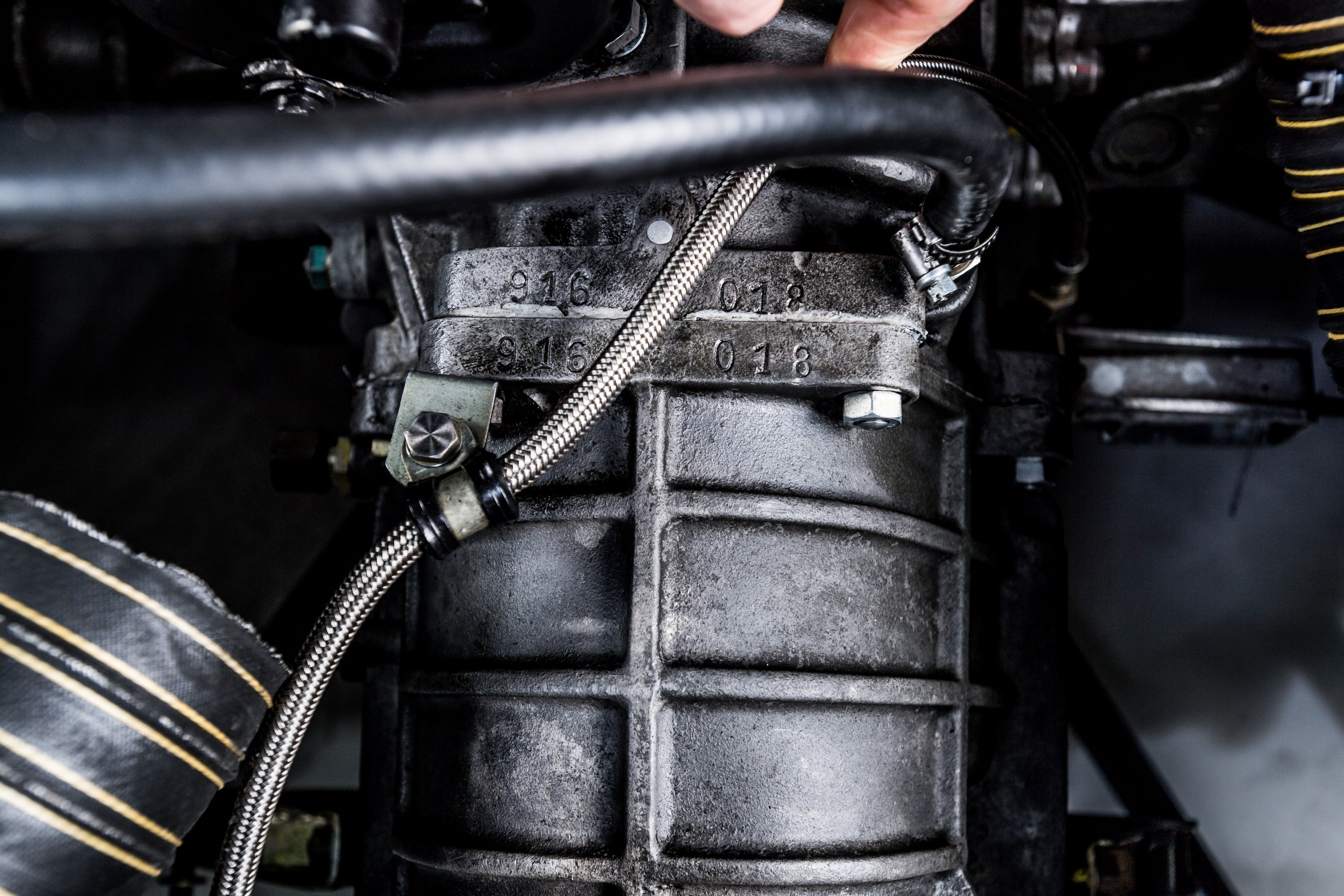
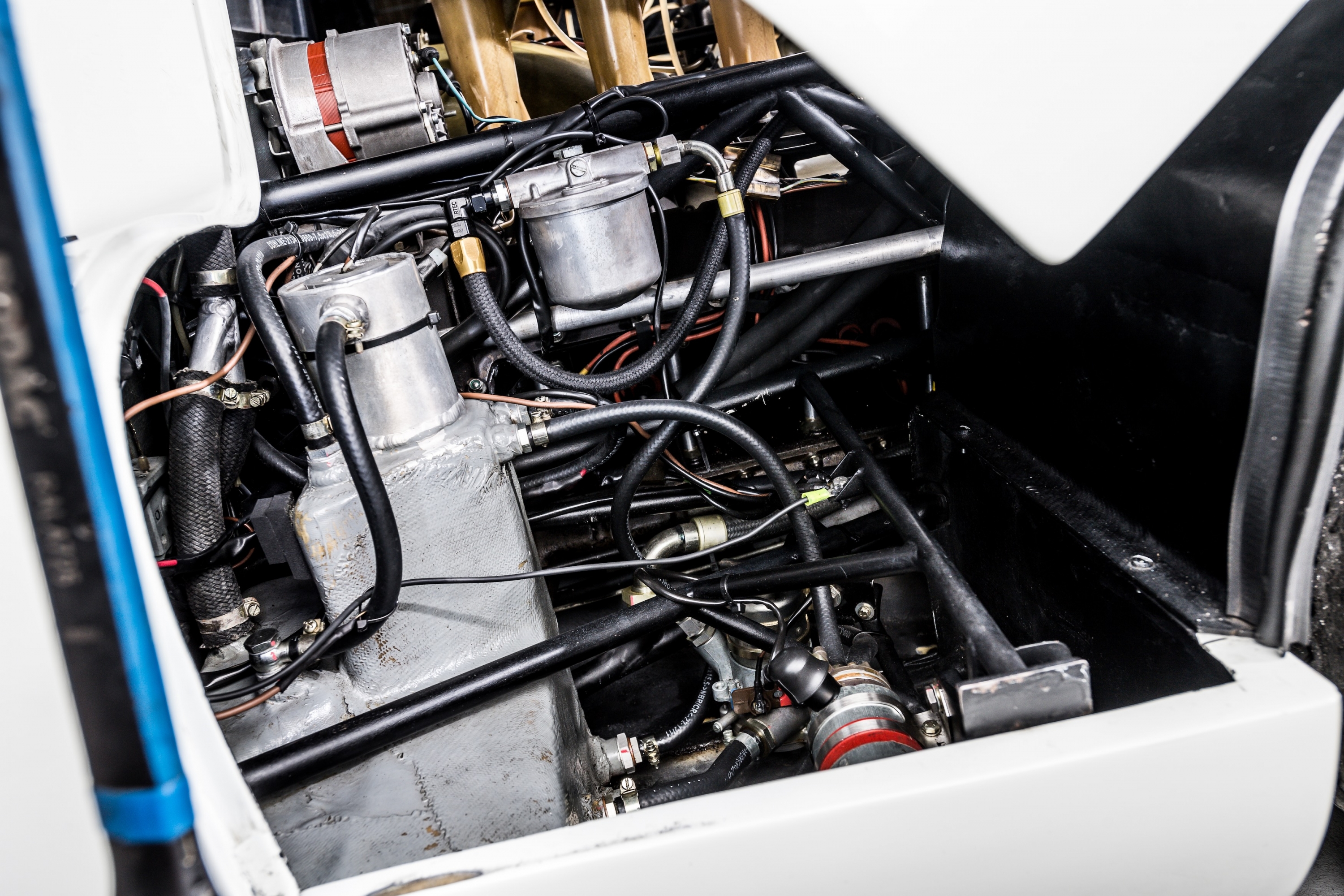
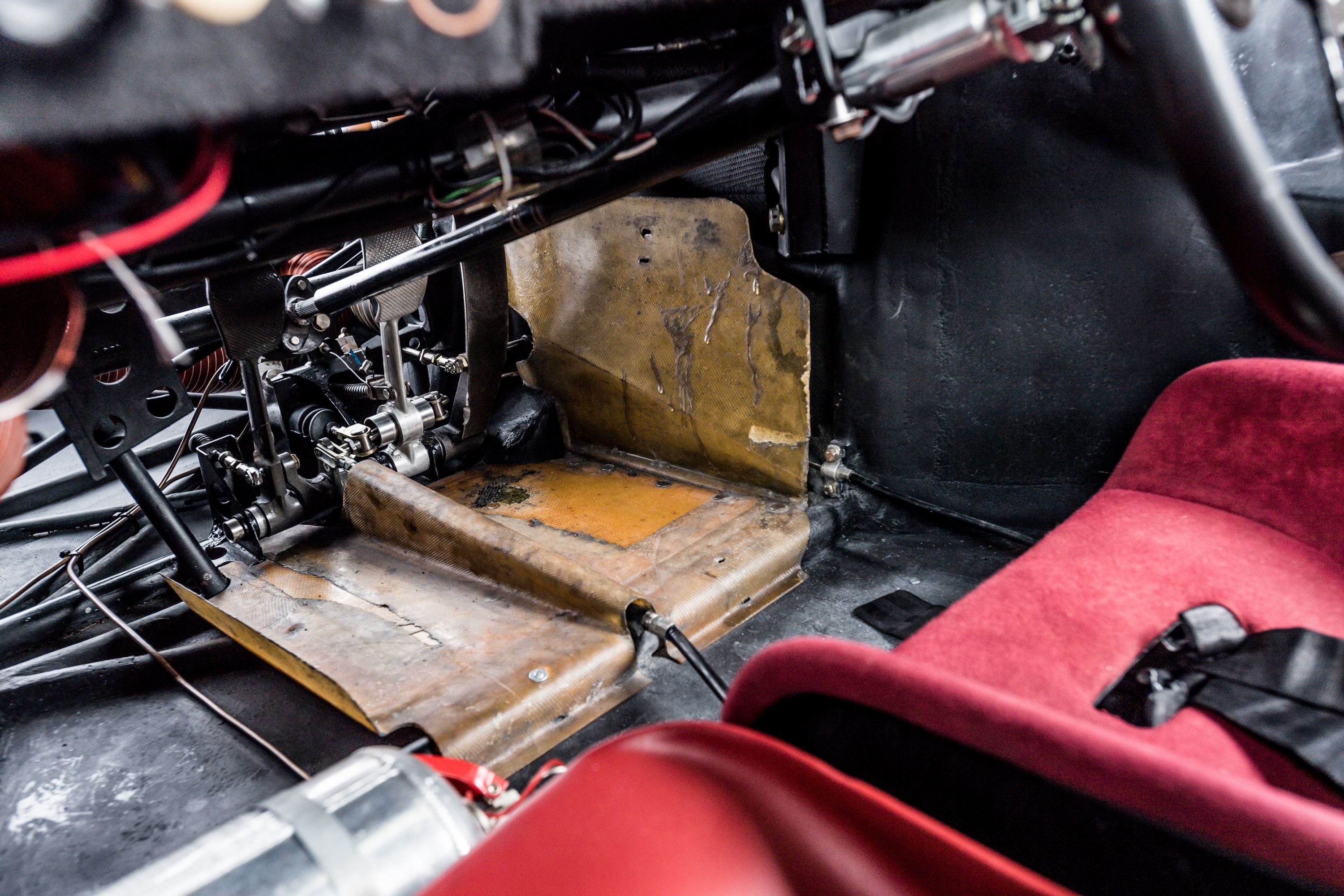
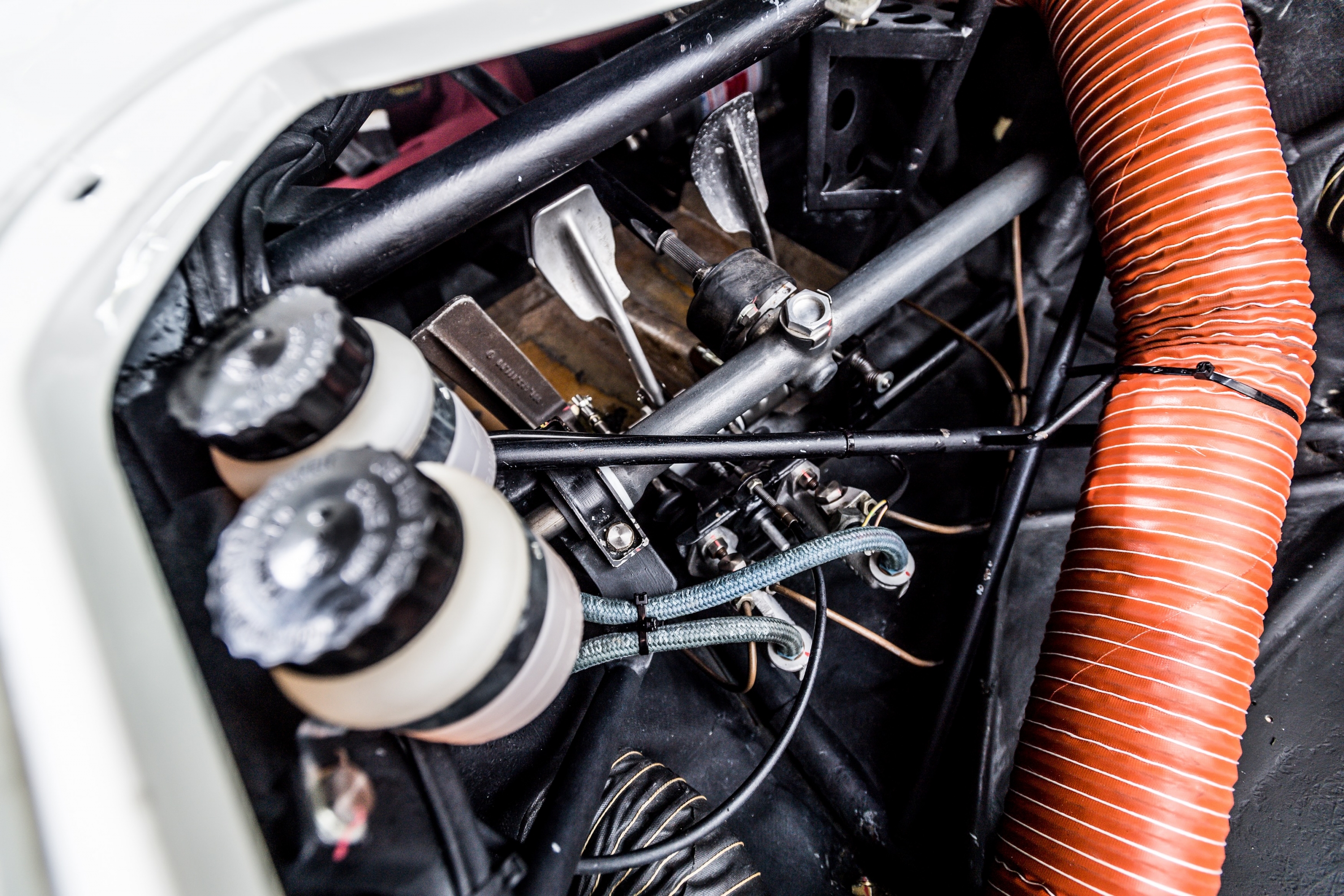
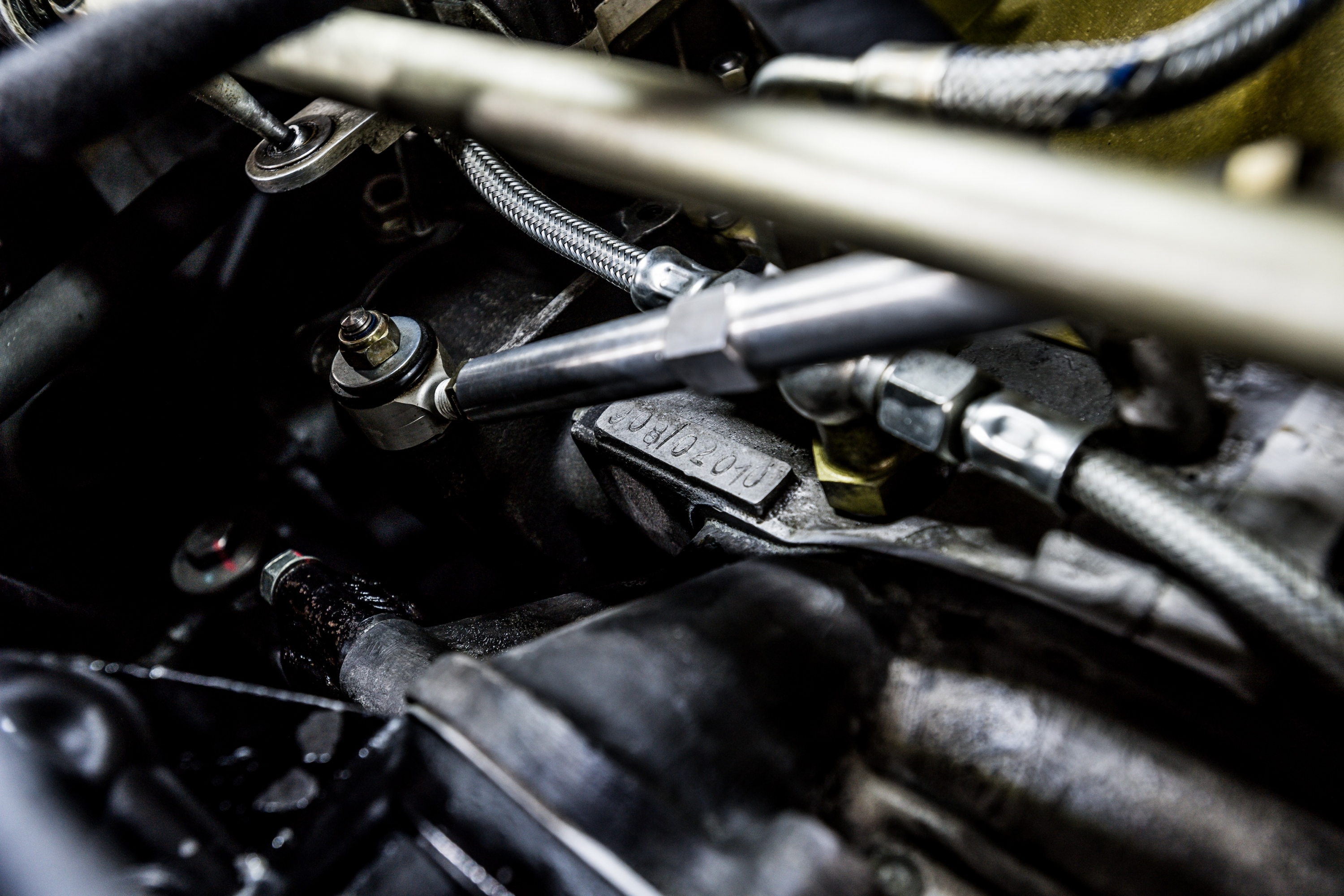
However, Larrousse toyed with the idea of rebuilding the car for years and finally entrusted Freisinger with rebuilding it to a high standard. This took a couple of years, but the car was completed in 2014. Larrousse visited Freisinger on several occasions to ensure that the car was rebuilt to his specifications, including the rebuilt of the chassis to replace the original metal, which was fragile and damaged by the passing of time. The car is equipped with engine number 908/02010, gearbox number 916/138,and all the correct period 908 parts, including the rare magnesium and titanium suspension components. Larrousse sold the car in late 2014, but would debut its vintage racing career at and drove it at Le Castellet 10000 Tours in 2015 with new owner Rodarro. In 2016, the car was entered into the Le Mans Classic, where it was co-driven by the 1971 Le Mans winner, Gijs van Lennep. It participated in a handful of events before changing hands to the current owner in 2023. Soon after his purchase the decision was made to rebuild the rear bodywork according to the unique 1968 Monza specifications, complete with the famous two fins, thus restoring 908-004 to its original body specifications. This is definitely one of the most attractive body configurations ever seen on a Porsche prototype. Prior to participating in Rennsport 7 in October 2023, the car was mechanically serviced, with the engine being inspected and dyno tested by Crubilé Sport to a strong 335 hp at the wheel. It was noted as one of the most spectacular car of the event. On this occasion, Larrousse was reunited with his 908-004 and gave a lengthy interview, which is available on YouTube, talking about his career and his ownership of this fantastic car.
The 'Lang Heck' 908-004 is said to be one of only five surviving examples, and it is presented today in wonderful condition. With its safe steel chassis, it is ready for another Le Mans Classic or Rennsport entry, and it is also eligible for the most prestigious concours and events.
Model history
Launched in 1968, the Porsche 908 followed the 904, 906, 910 and 907 models, but it was a much more ambitious car than its predecessors.
For the first time, Porsche would be able to compete not only for class wins, but also for overall victory and the World Sports Car Championship title. Indeed, right after the 1967 Le Mans race, the regulations changed and the CSI limited the Sport Prototype (Group 6) category to 3-litre cars, thereby banning the 7-litre Fords and 4-litre Ferraris. Porsche immediately began working on an ambitious project engine called the 916: a four-cam, six-cylinder engine that they turned into a 3-litre, eight-cylinder engine. Since the Porsche 907, which was powered by an eight-cylinder, 2.2-litre engine derived from the 1.5-litre F1 unit, was an excellent basis, the decision was made to install the new 3.0-litre engine, which produced 335 hp, in that chassis.
Under the supervision of Ferdinand Piech, who was in charge of both the development and racing departments, the powerful 908 would become a formidable contender with lightweight construction and clever aerodynamics, to a degree never seen before. Notably, a premiere at this scale such as using titanium for the suspension and magnesium for the engine and gearbox. It also inaugurated the the controversial era of aluminium chassis, with the first twelve made of steel and the rest made of the lighter aluminium.
In 1968, the 908s mostly competed against modified JWA GT40s that had now been homologated in 5.7-litre form as 'Sport'. The Daytona 24 Hours race was considered too ambitious for the brand new cars, so the 907s were used instead. The 908s made their debut at Brands Hatch and suffered DNFs. At Monza, the 'Lang Heck' versions were introduced and completed the race. The first victory came at the Nürburgring, but Porsche failed to win the championship, finishing 42 points behind Ford. However, despite the all-new 917 beginning its competitive career in 1969, this was not the end at all for the 908s, but rather the beginning of their glory days.
In 1969, the 908 underwent significant upgrades, including a revised suspension, a new Type 916 gearbox, an uprated engine with a new firing order, and an increased power output of 350 hp. In addition to the 'Lang Heck' versions, the 908/02, also known as the 'Flunder', was introduced. This car benefited from research conducted on the Bergspyder cars, featuring a different powerplant configuration and centre of gravity. There was also more competition from Ferrari's impressive 312P with its F1 engine, as well as the Matras and the reliable but outpaced JWA Ford GT40s. Porsche managed to win seven of the ten races using either Flunders or LH cars, and dominated the World Championship, winning their first outright title in motorsport. The LH cars were used on high-speed tracks and the Flunders on others. Although promising, the ultra-fast and dangerous 917 proved too fragile and dangerous to compete for victory.
History will certainly remember the 908 LH as the most iconic version. It was also the star of the spectacular 1969 Le Mans race, which went down in history when Hermann and Larrousse lost by just 120 metres to Ickx and Oliver in the GT40 after a dramatic finale in which both cars stopped at the Hunaudières straight on the final lap, both trying to use the other car's drag to cross the finish line first.
Following improvements to the 917, it became unbeatable in 1970 and 1971, and Porsche stopped using the 908s in endurance racing. However, this was not the end for the 908, as 1972 saw the 5.0-litre sports cars banned from racing. A few 908s found a second life, such as the one entered by Reinhold Joest at Le Mans, with an old 1968 908 finishing an impressive third overall. This was the swan song for the 908 LH cars.
Porsche built a total of 31 908s, among them 18 were long tails. This was a much acclaimed car by its drivers back in the day, it was always referred as being safe and stable, extremely well balanced and mated to a fast and precise gearbox. They were also known to fly on straights with their amazing 335km/h top speed.