
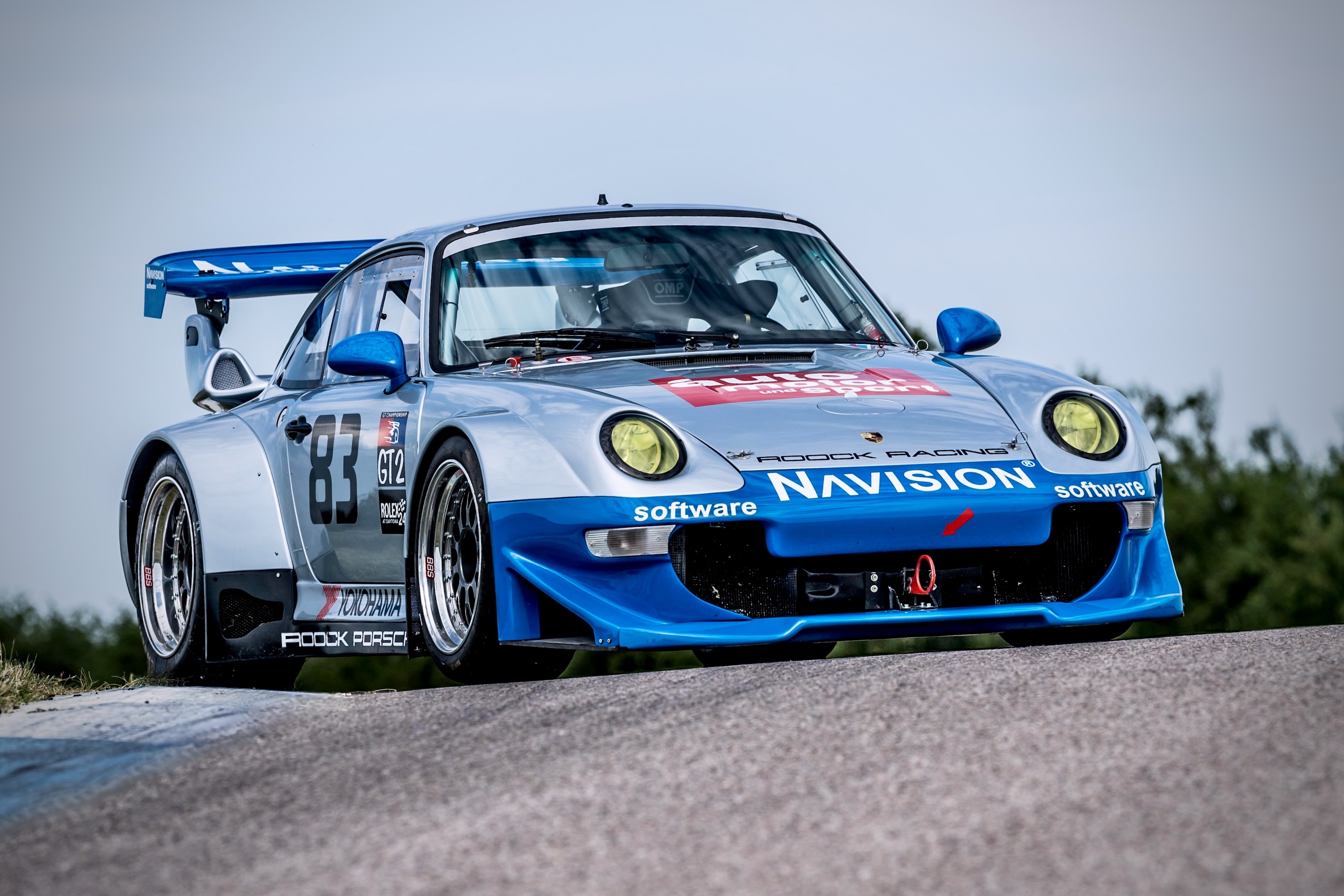
PORSCHE 993 GT2 EVO Roock For sale
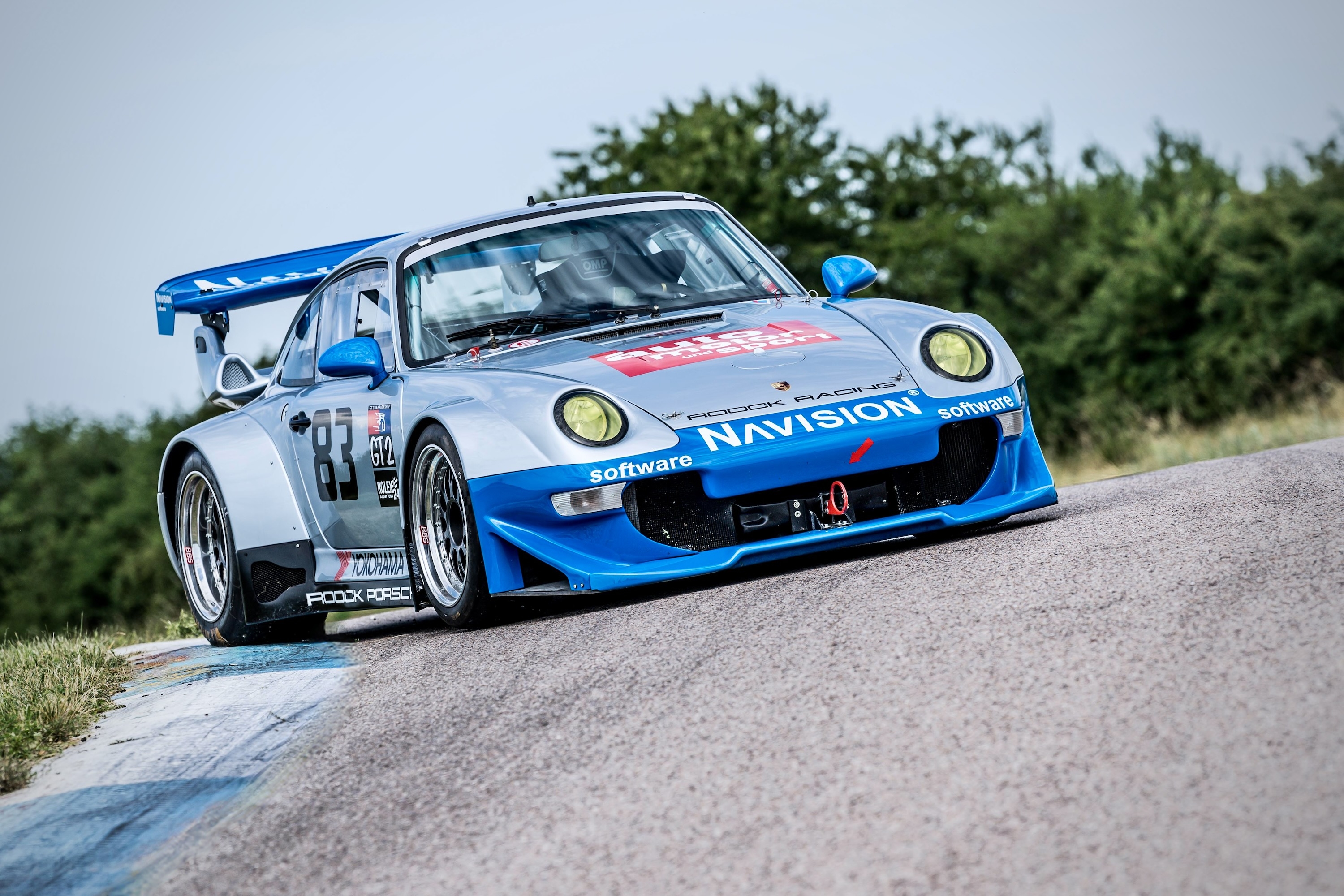
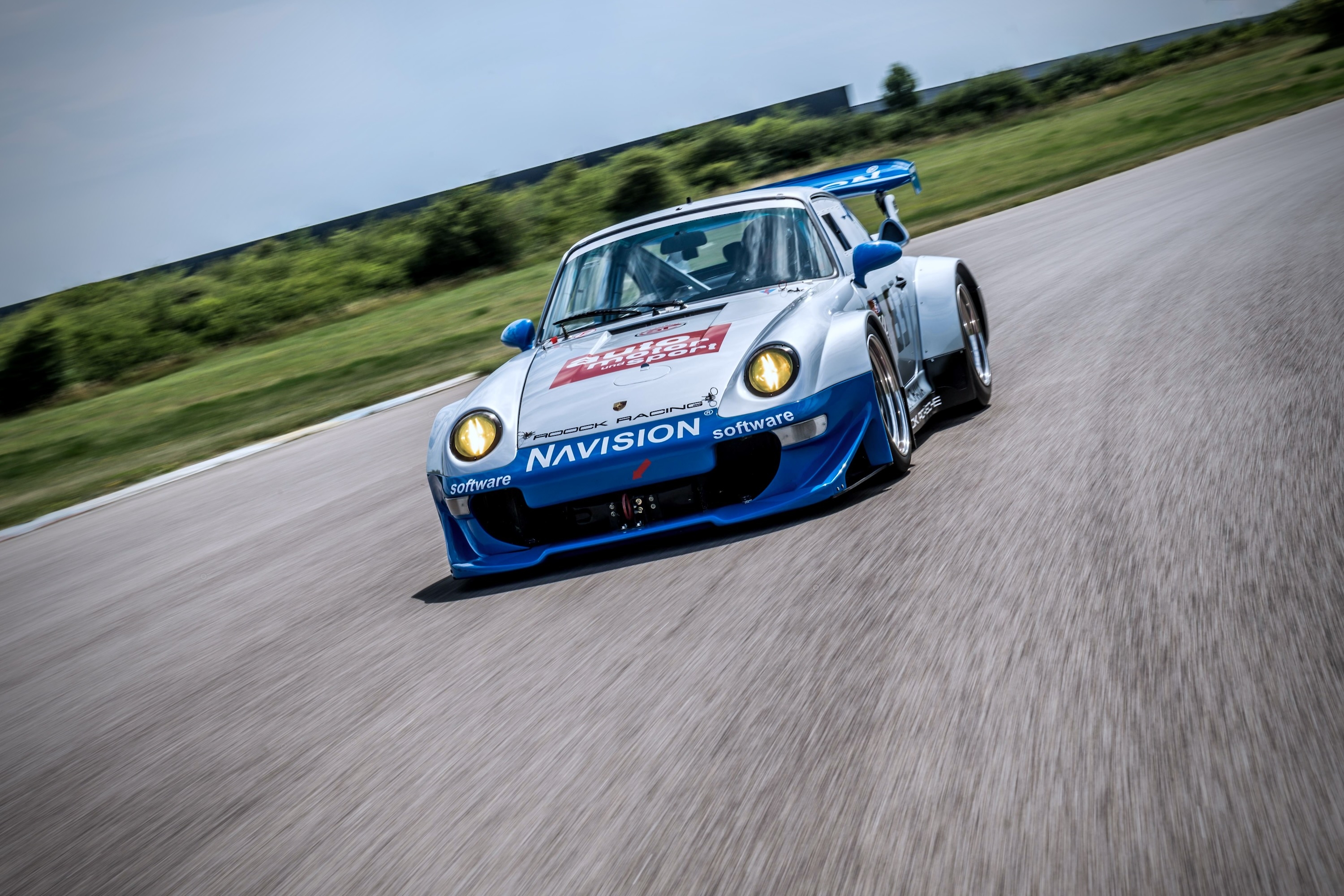
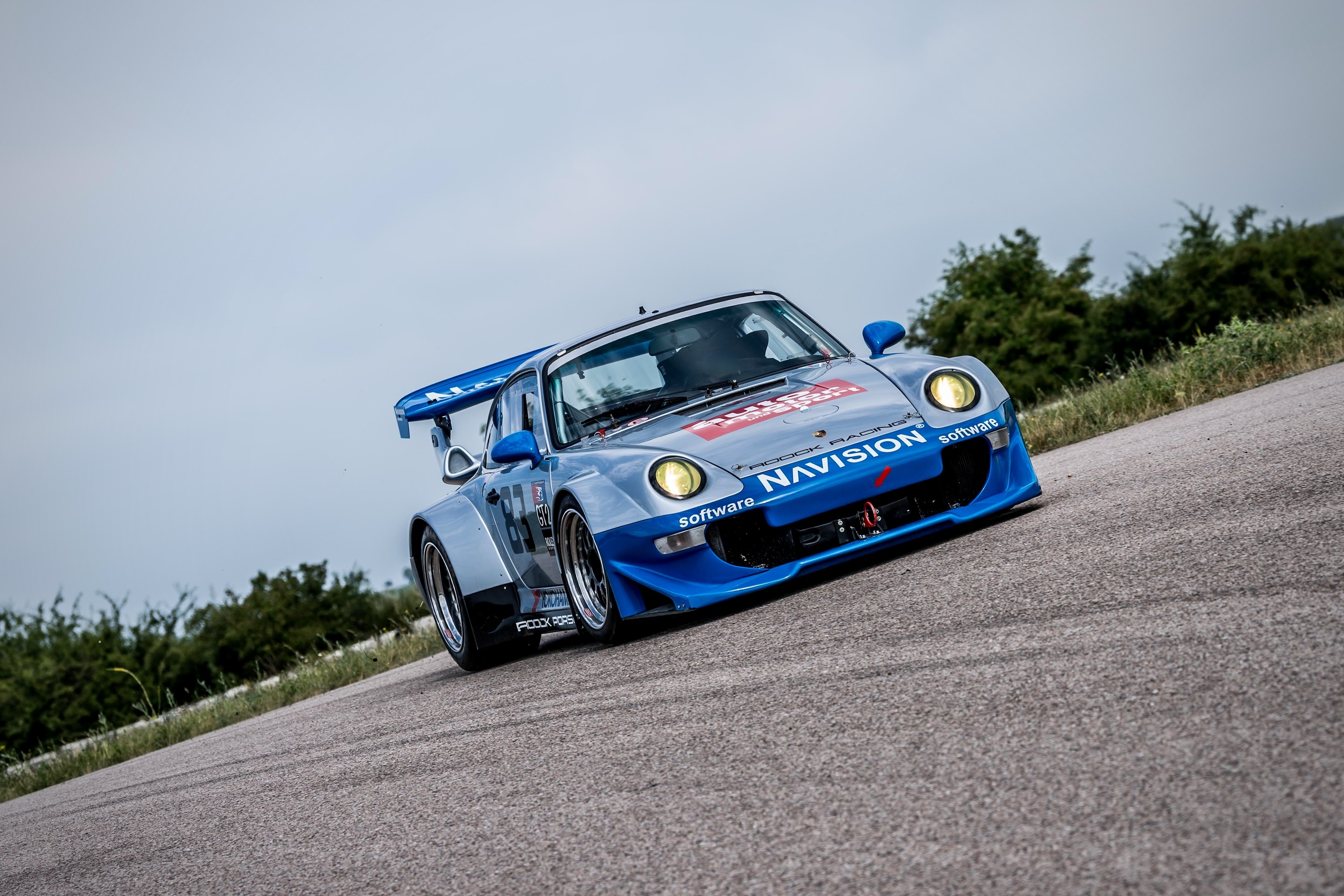
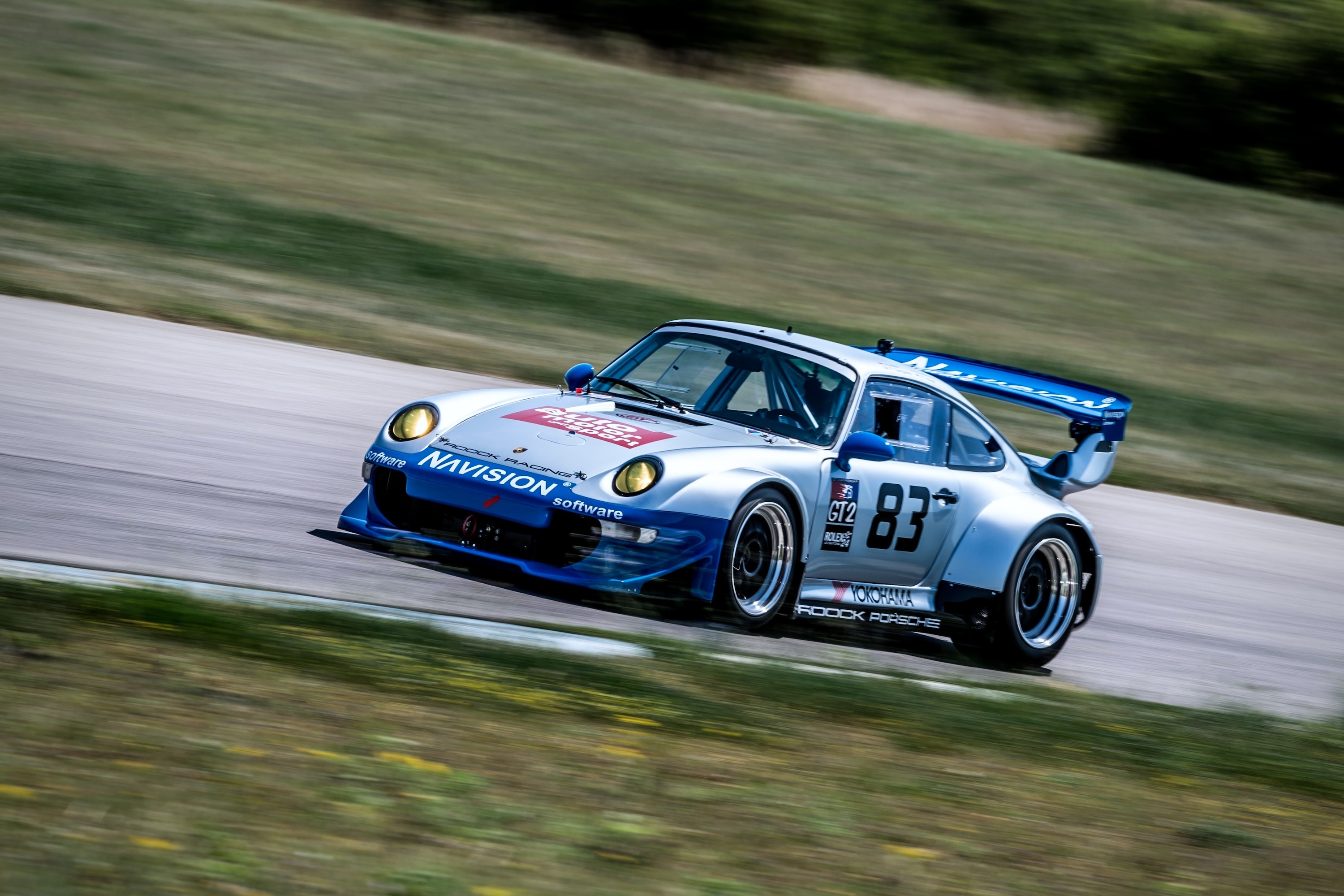
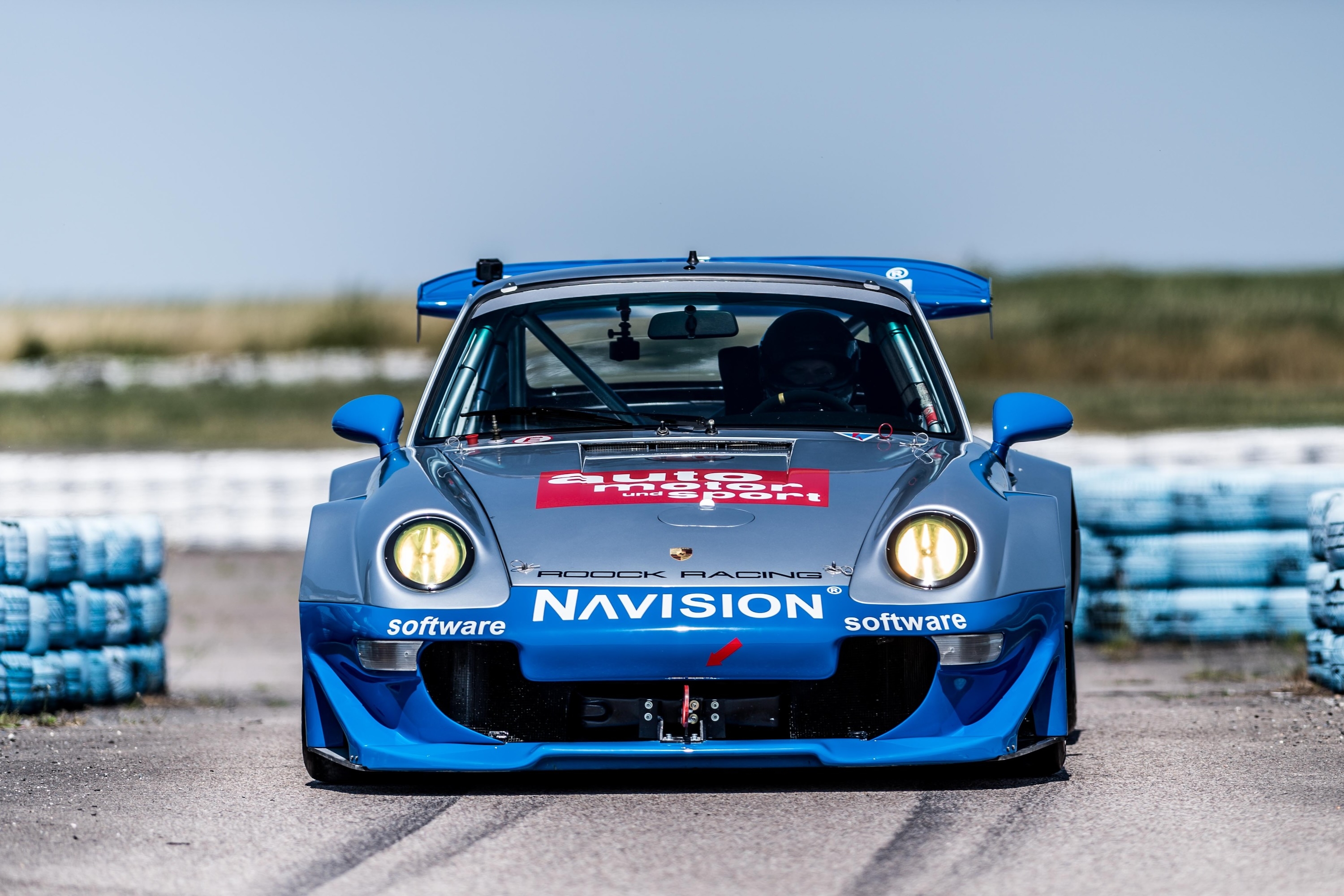
Highest specs 993 GT2, one of 6 cars built by Roock
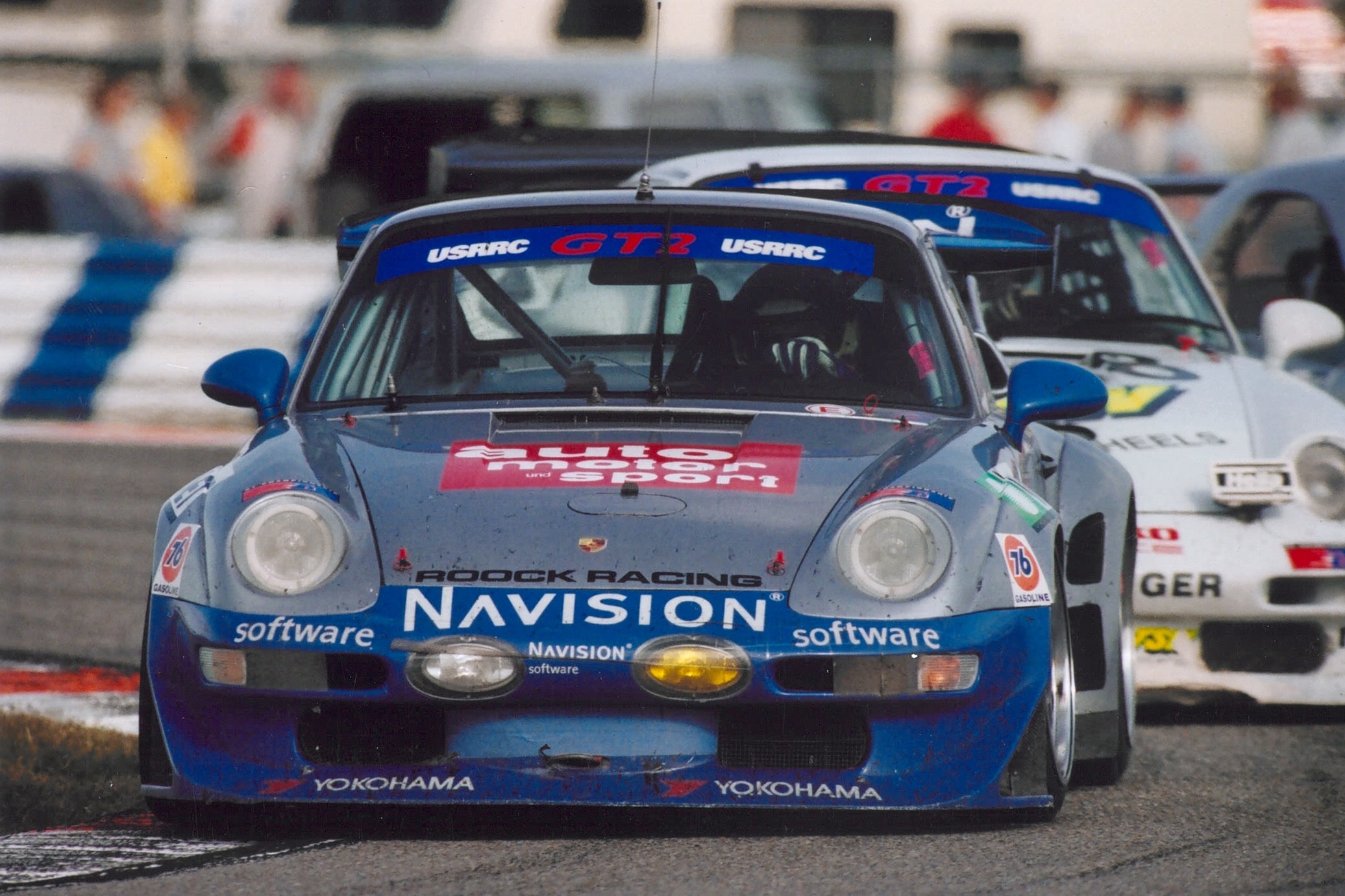
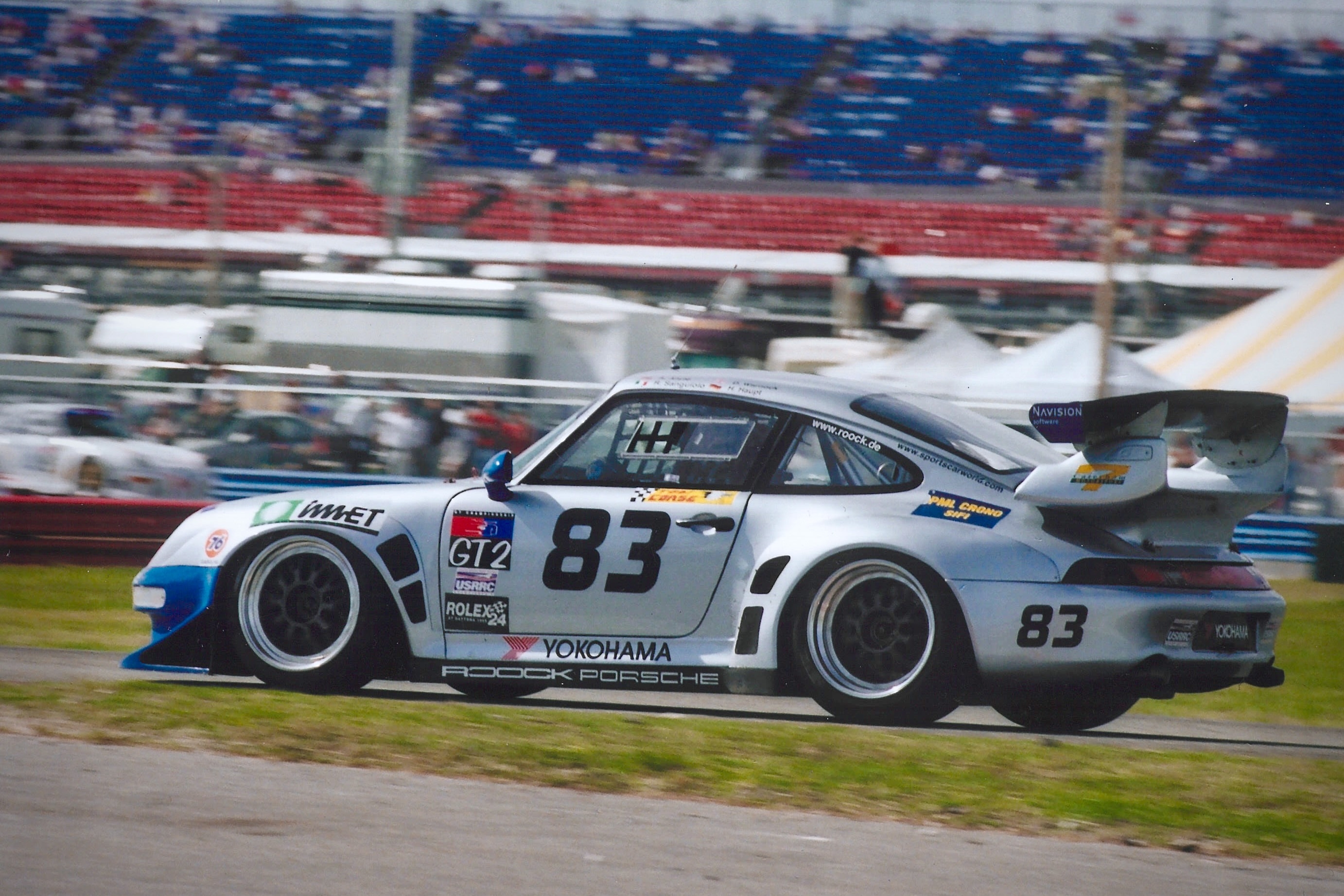
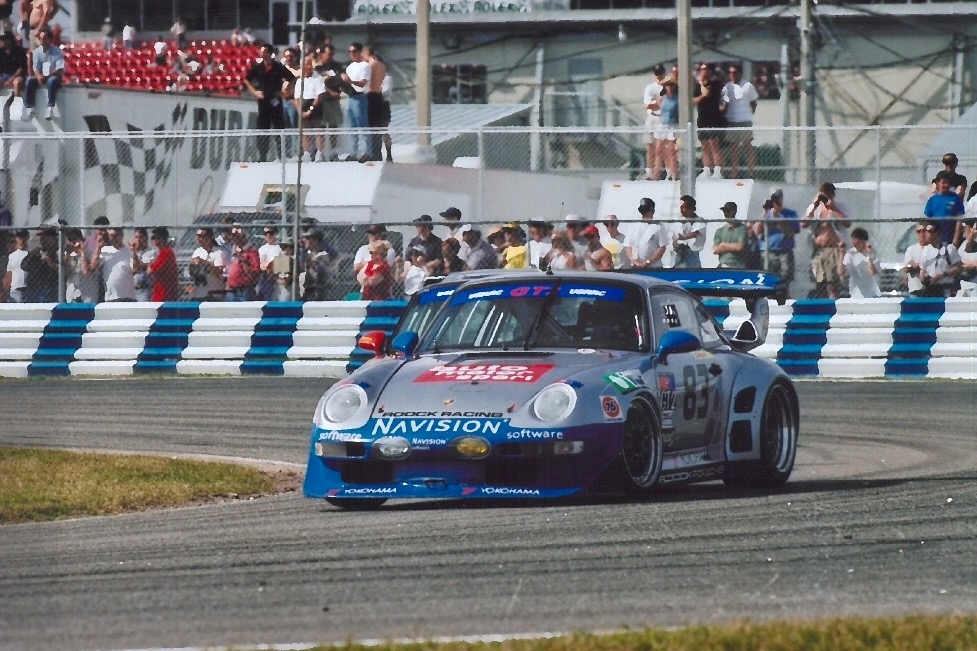
GT2 Class winner at the 1999 Daytona 24h
Last aircooled 911 to score a major international victory
Price: Please Inquire
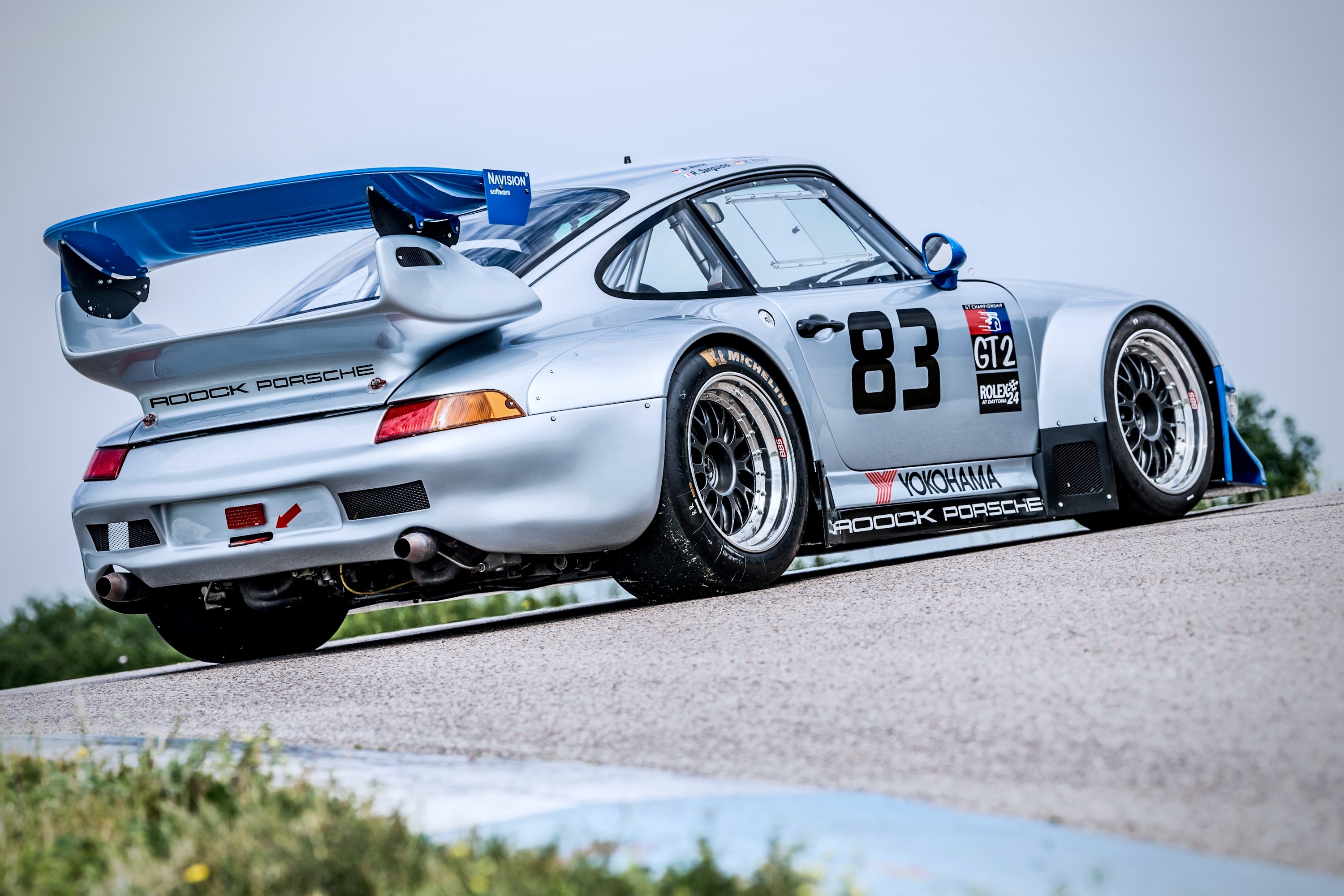
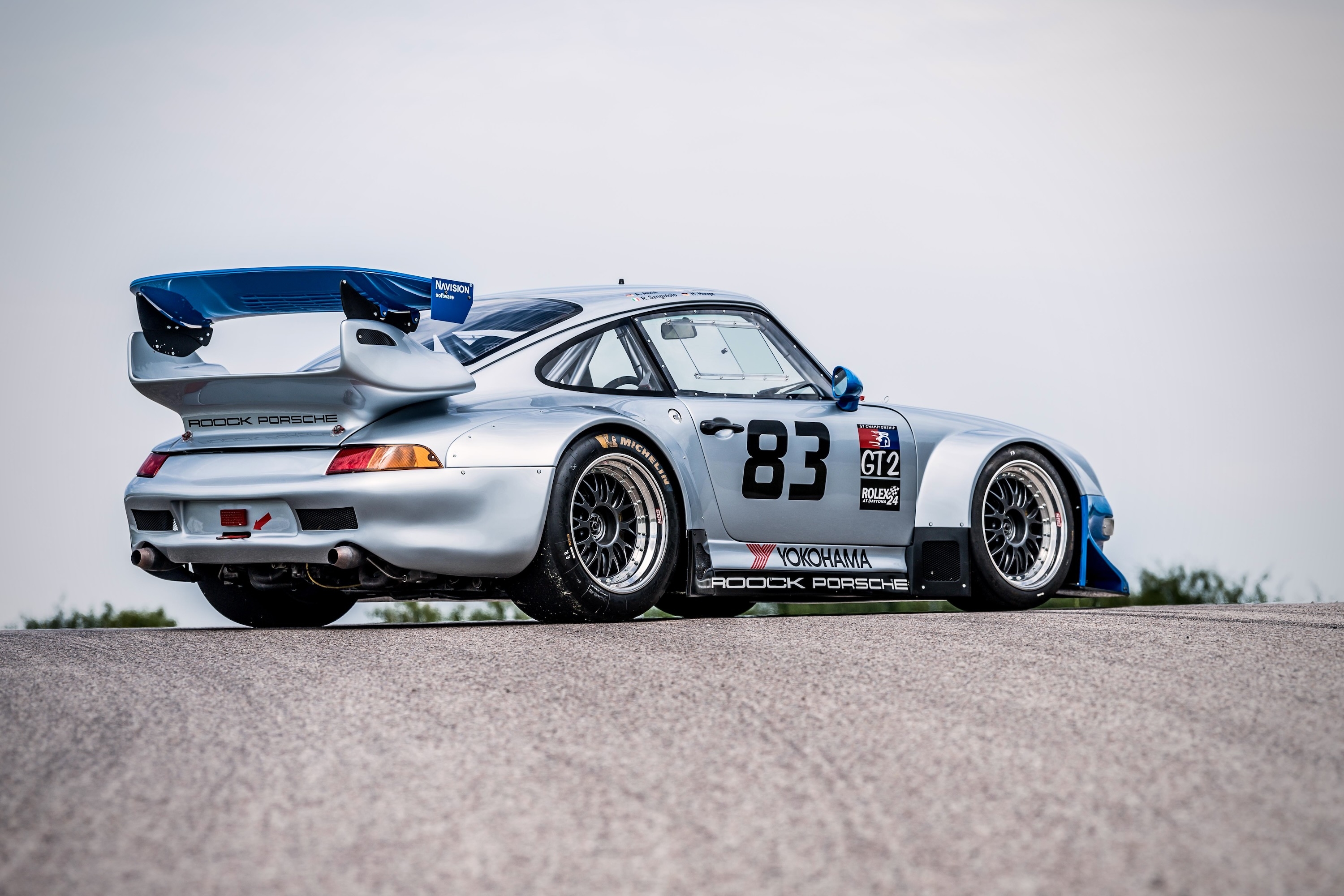
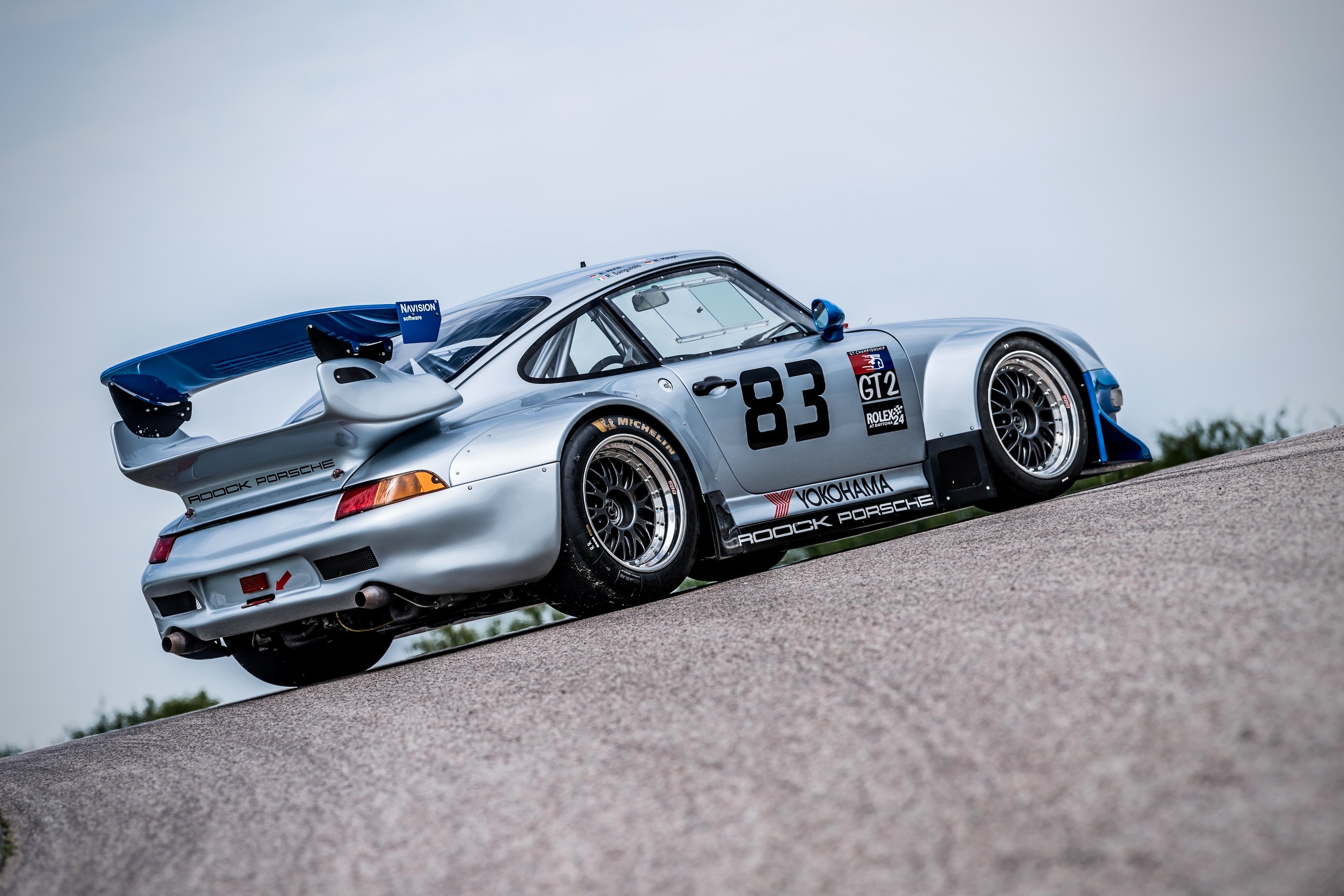
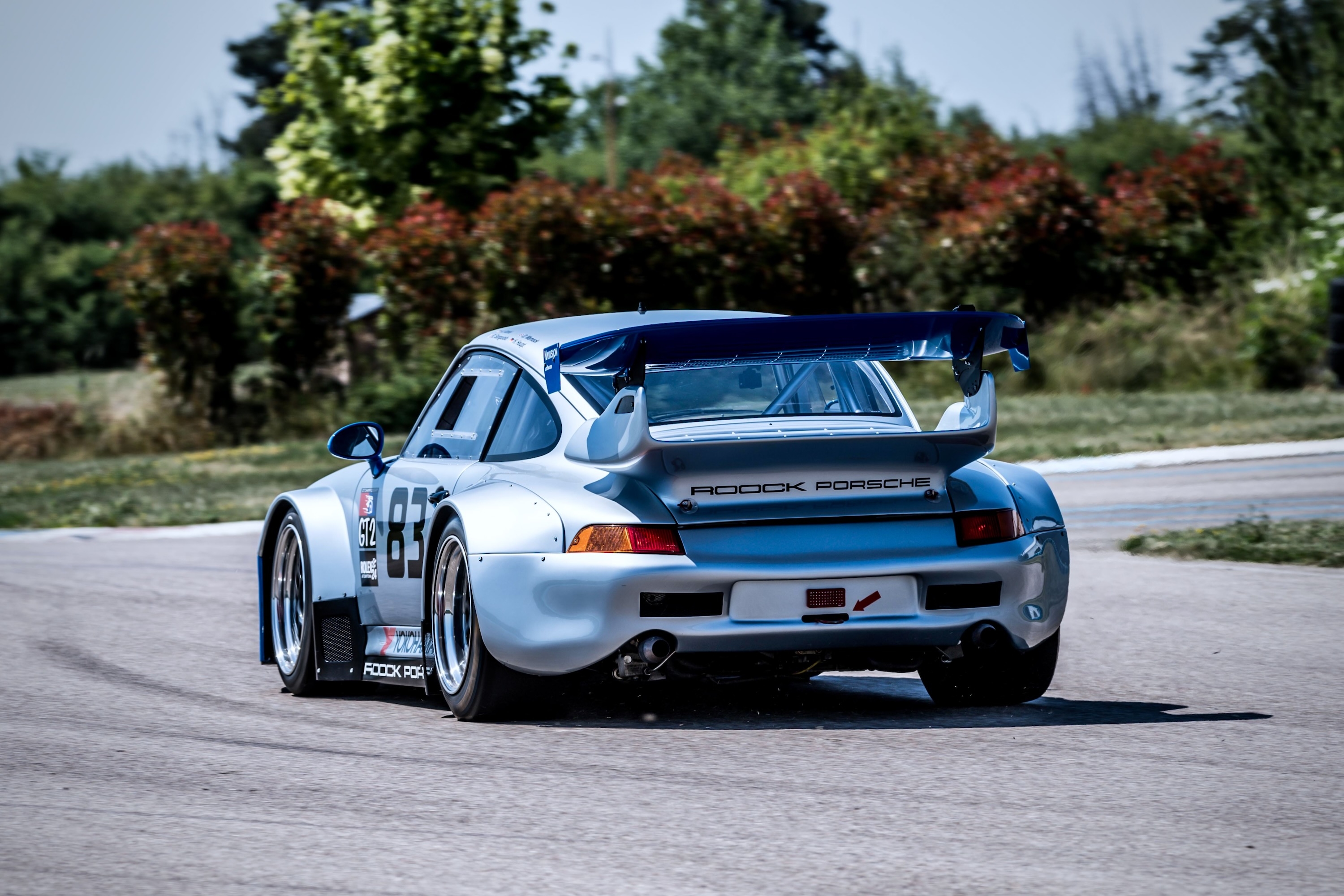
Description
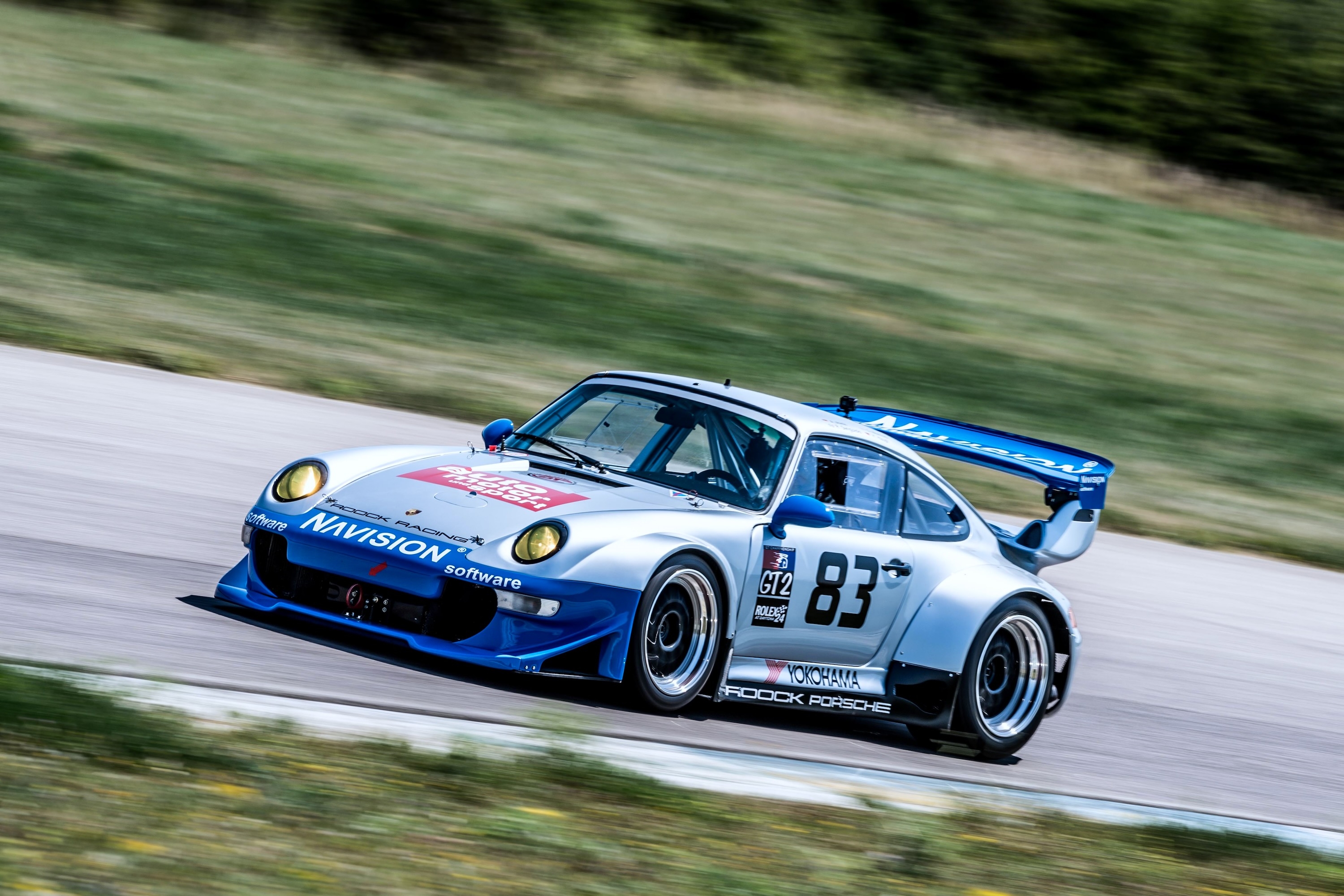
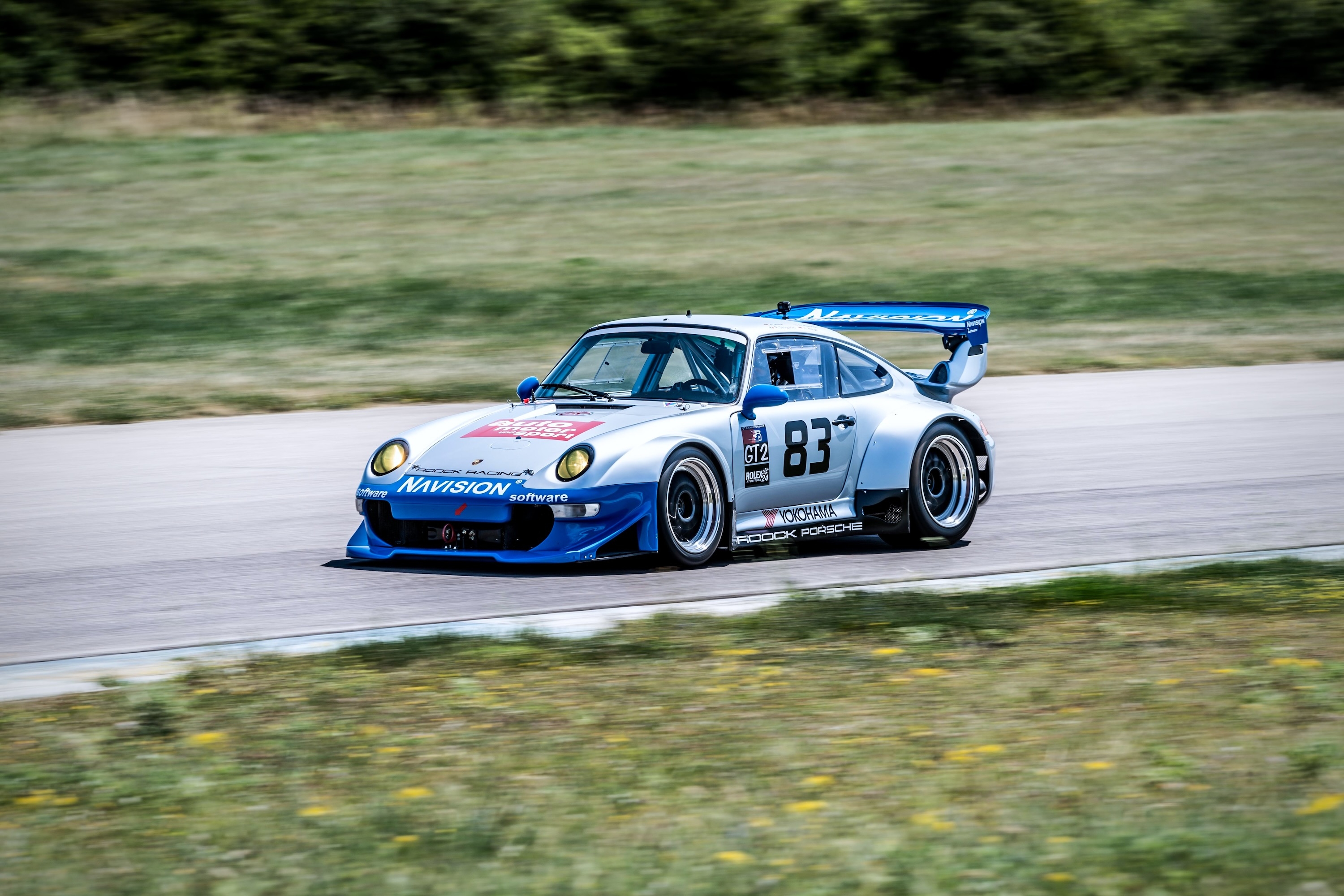
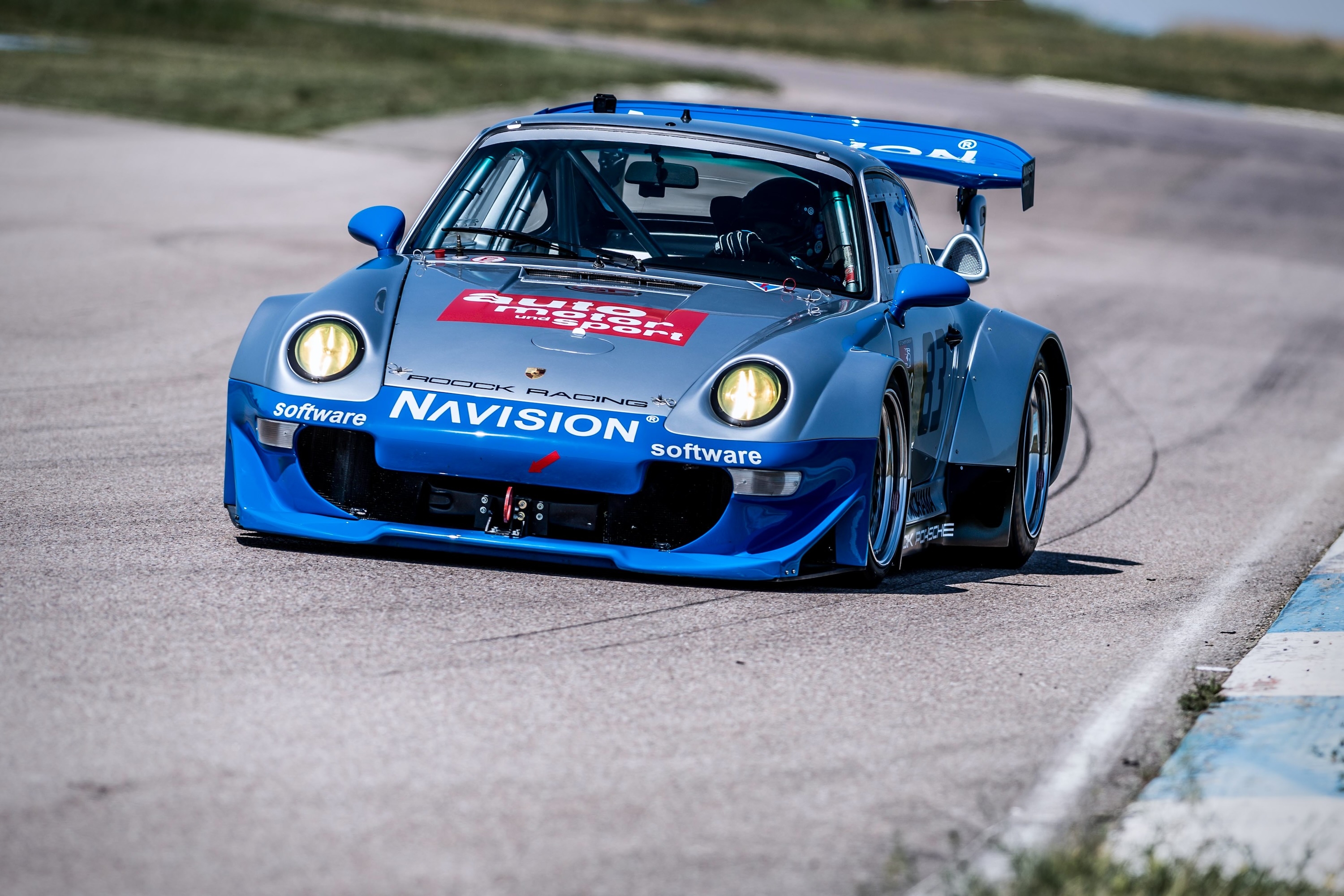
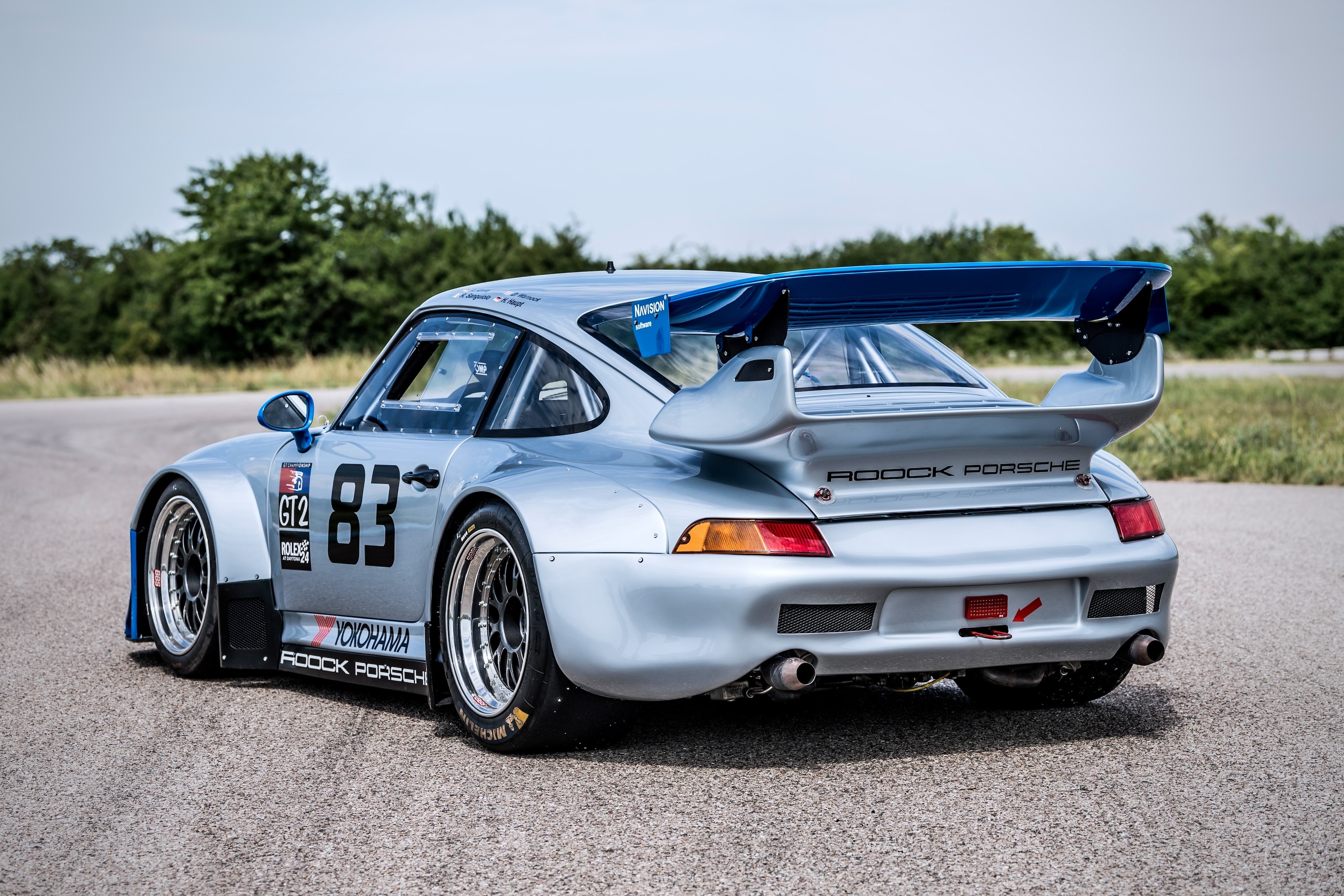
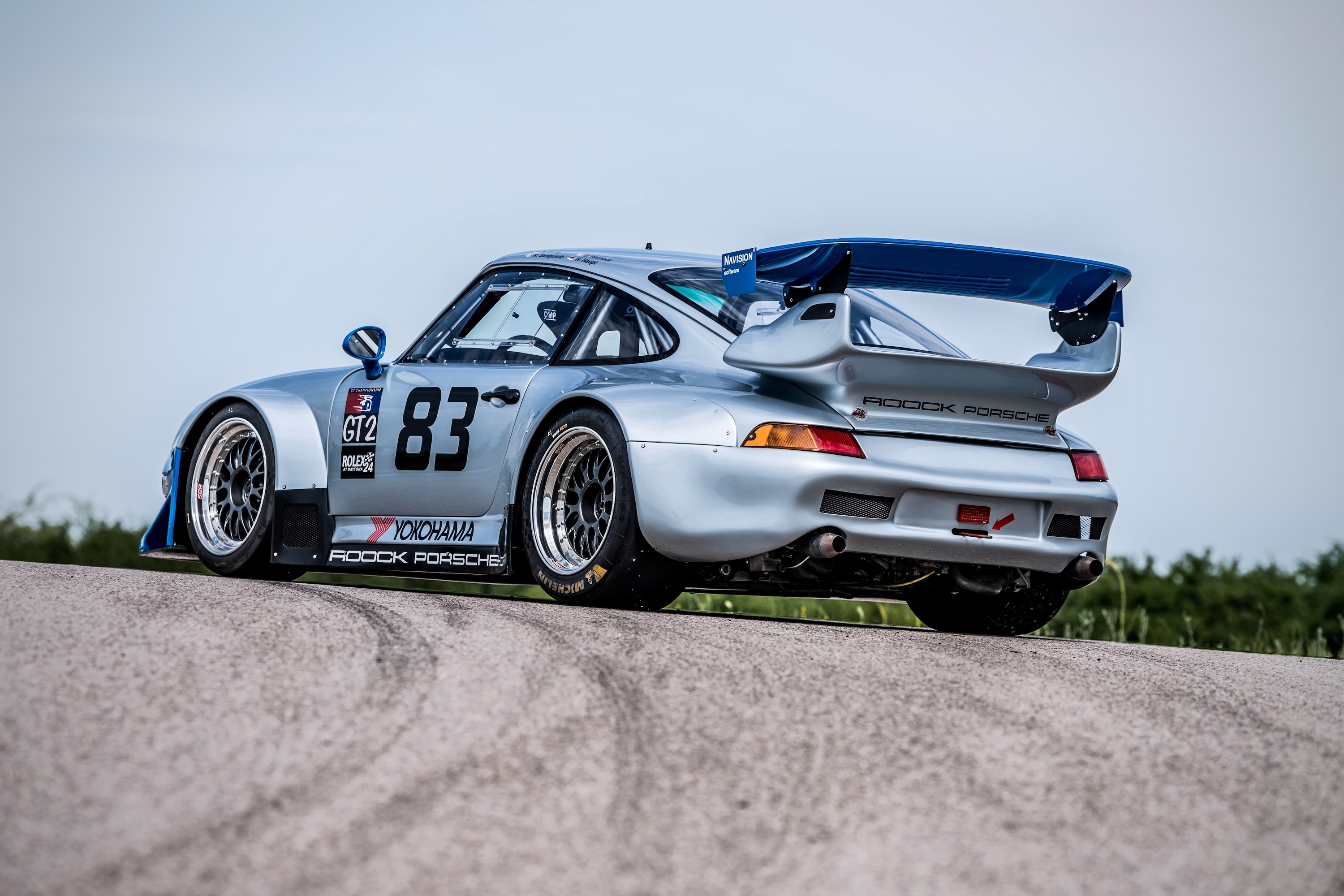
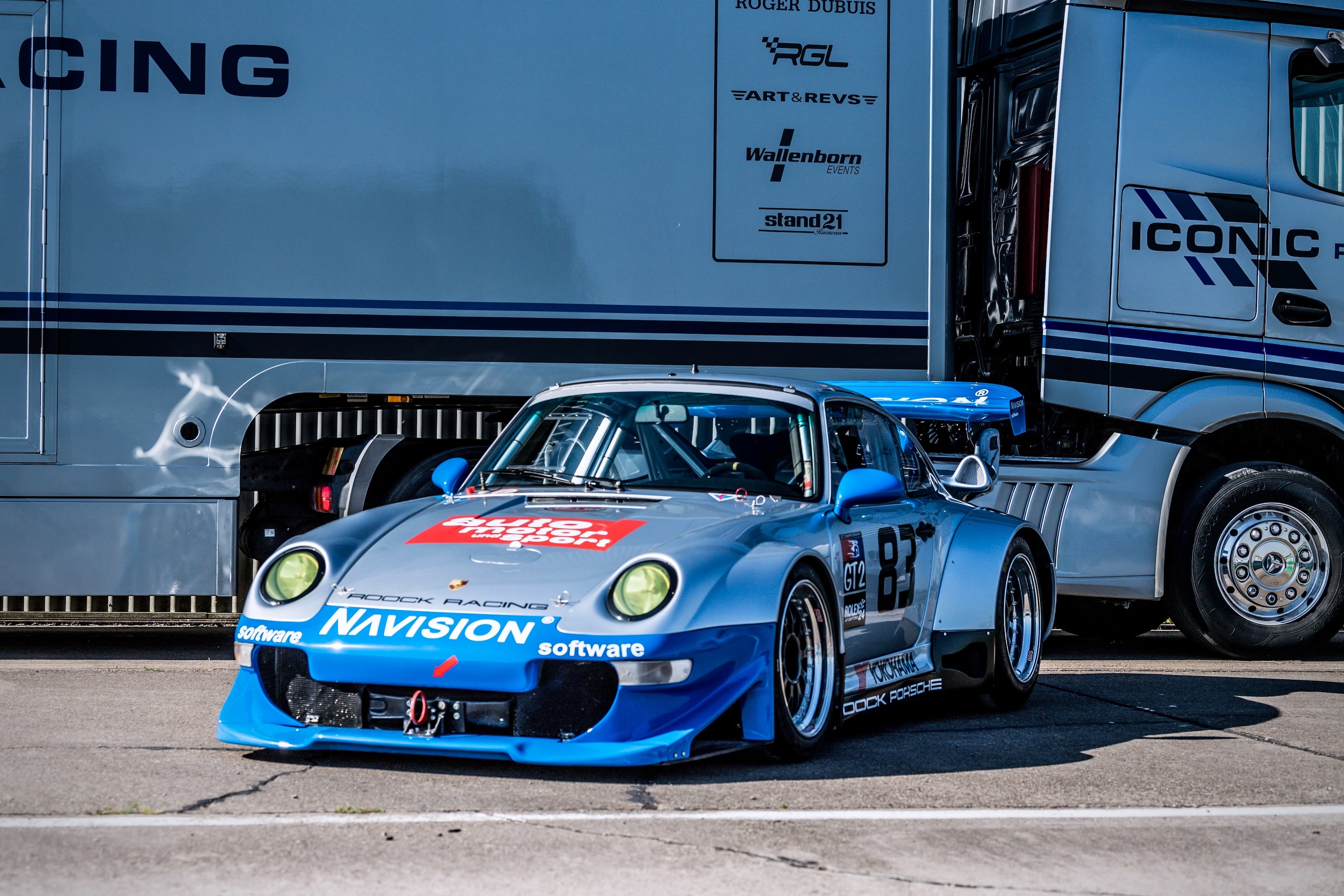
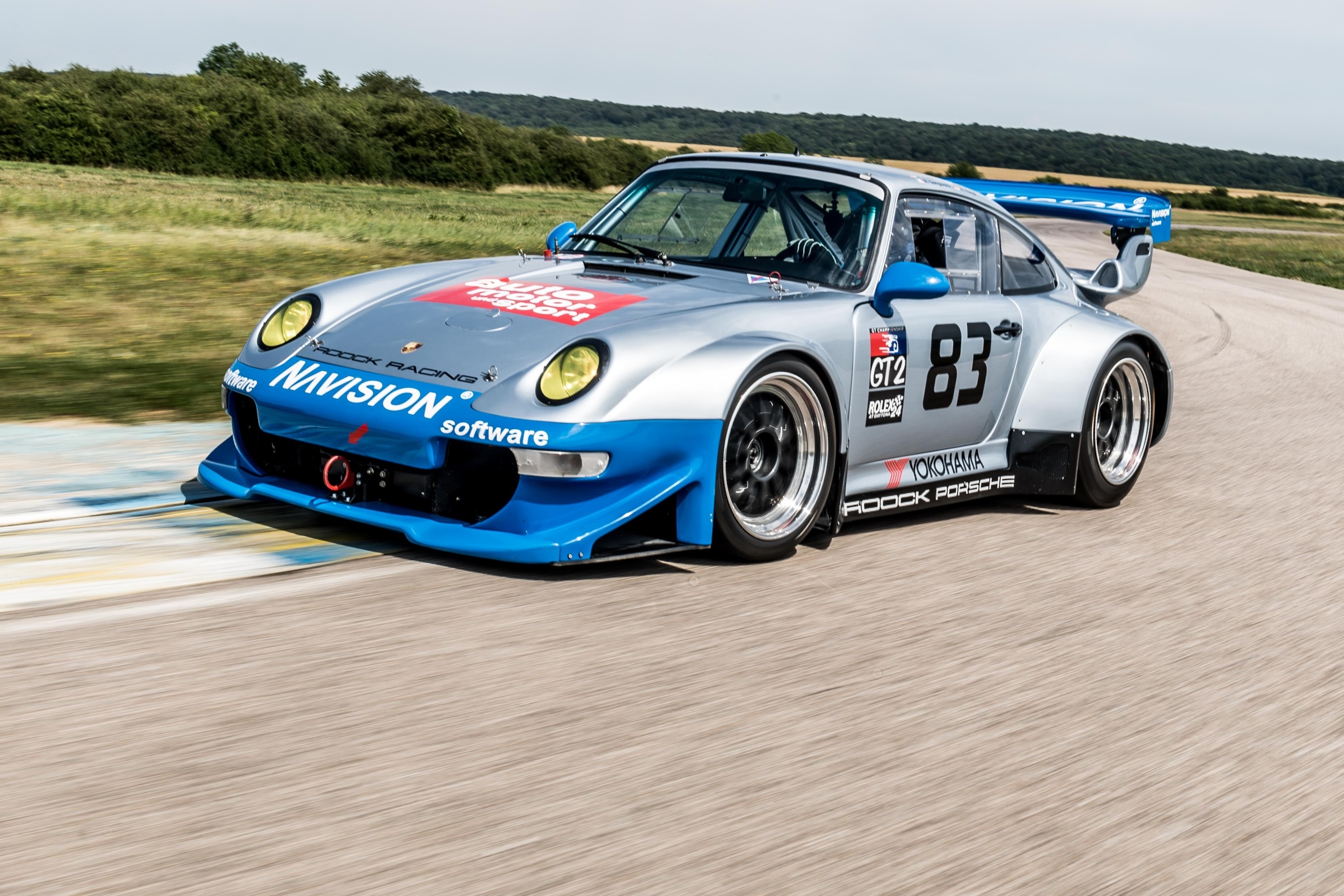
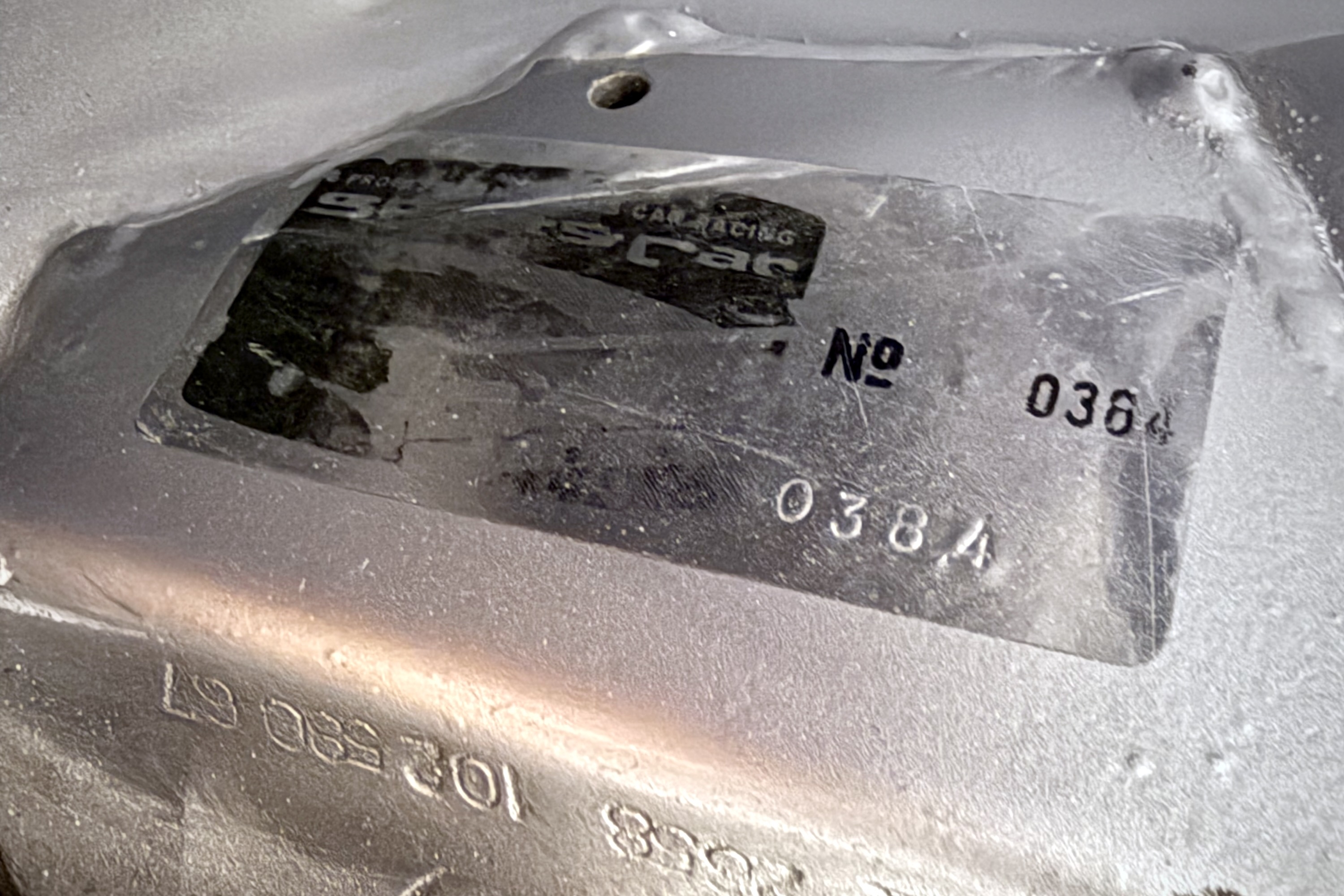
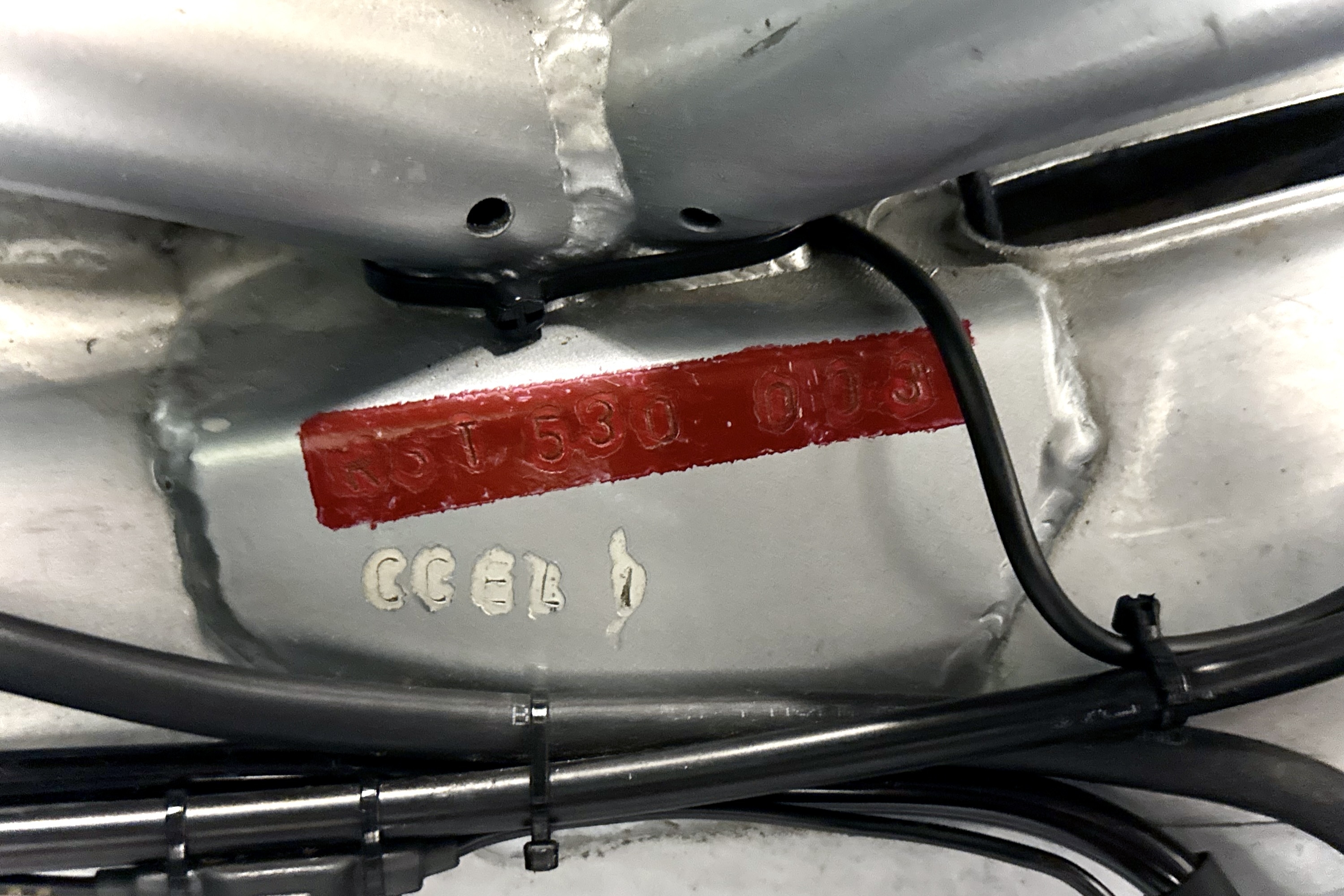
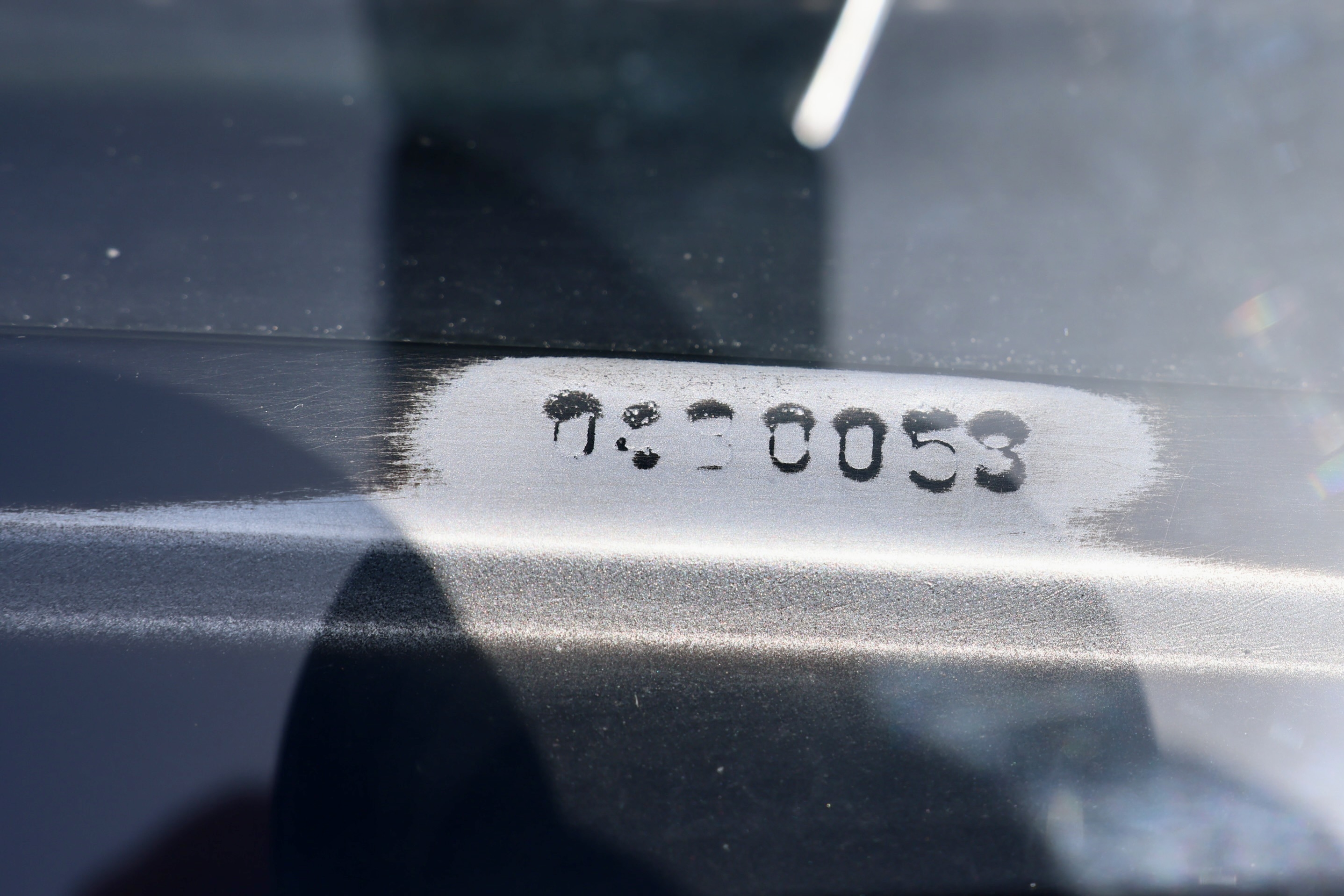
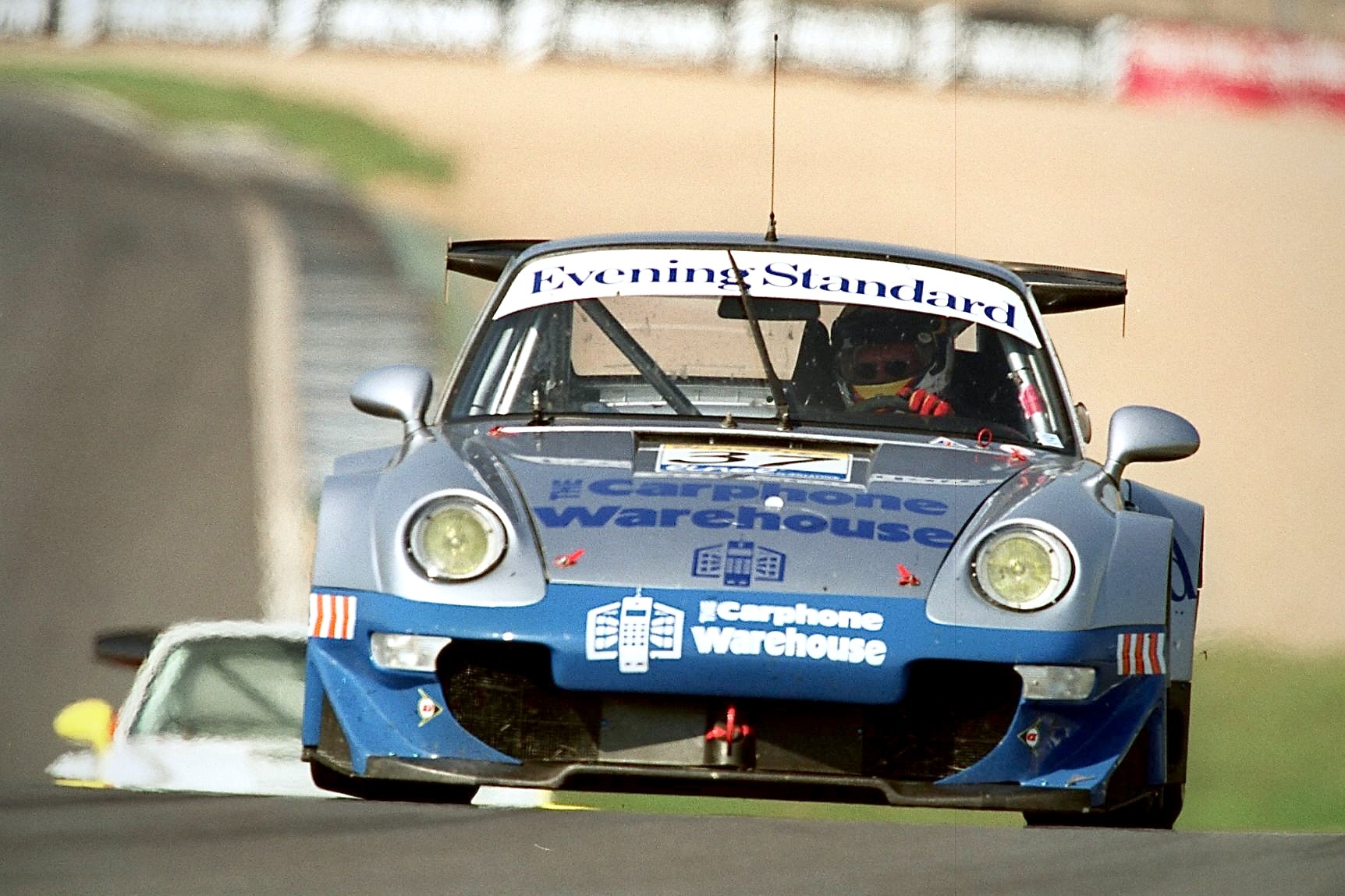
This breathtaking 993 GT2 EVO built in 1998, has the Porsche shell number 0480053, which designates a bare 993 GT2 EVO chassis. For the aforementioned reasons, it did not receive a 17-digit chassis number and was instead given a Roock number: 98 RST 530 003. The car was sold new in September 1998 to David Warnock, an English property tycoon with a passion for racing. He set up an endurance racing project with Cirtek's Rob Schirle, driving GT2 Mustangs built by Saleen. Following Saleen's cars withdrawal from Le Mans in 1998, Warnock joined forces with Roock and raced one of their 993 GT2s to a promising 22nd place. Impressed by the Roock car, Warnock immediately ordered one to compete in the British GT Championship instead of his Saleen. At this time, Roock was further developing the cars, and a joint venture was created between Cirtek and Roock, whereby Cirtek modified and seam welded the chassis and modified the roll cage. Warnock received his new car just in time for the FIA GT race at Donington on 22 September, and he scored two podiums in GT2, with two seventh places overall in the last two races of the British GT. His co-driver was still Cirtek's boss, Rob Schirle.
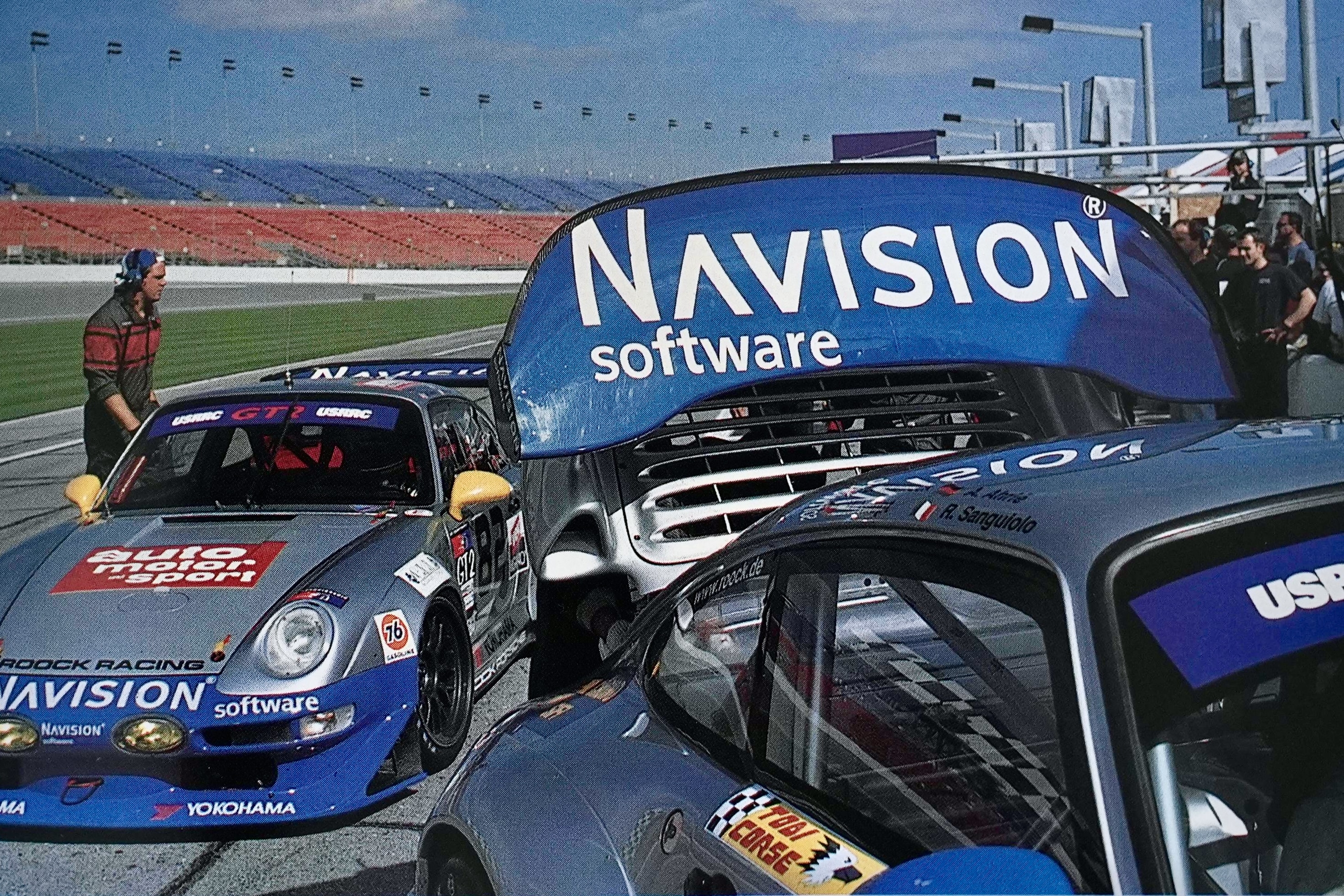
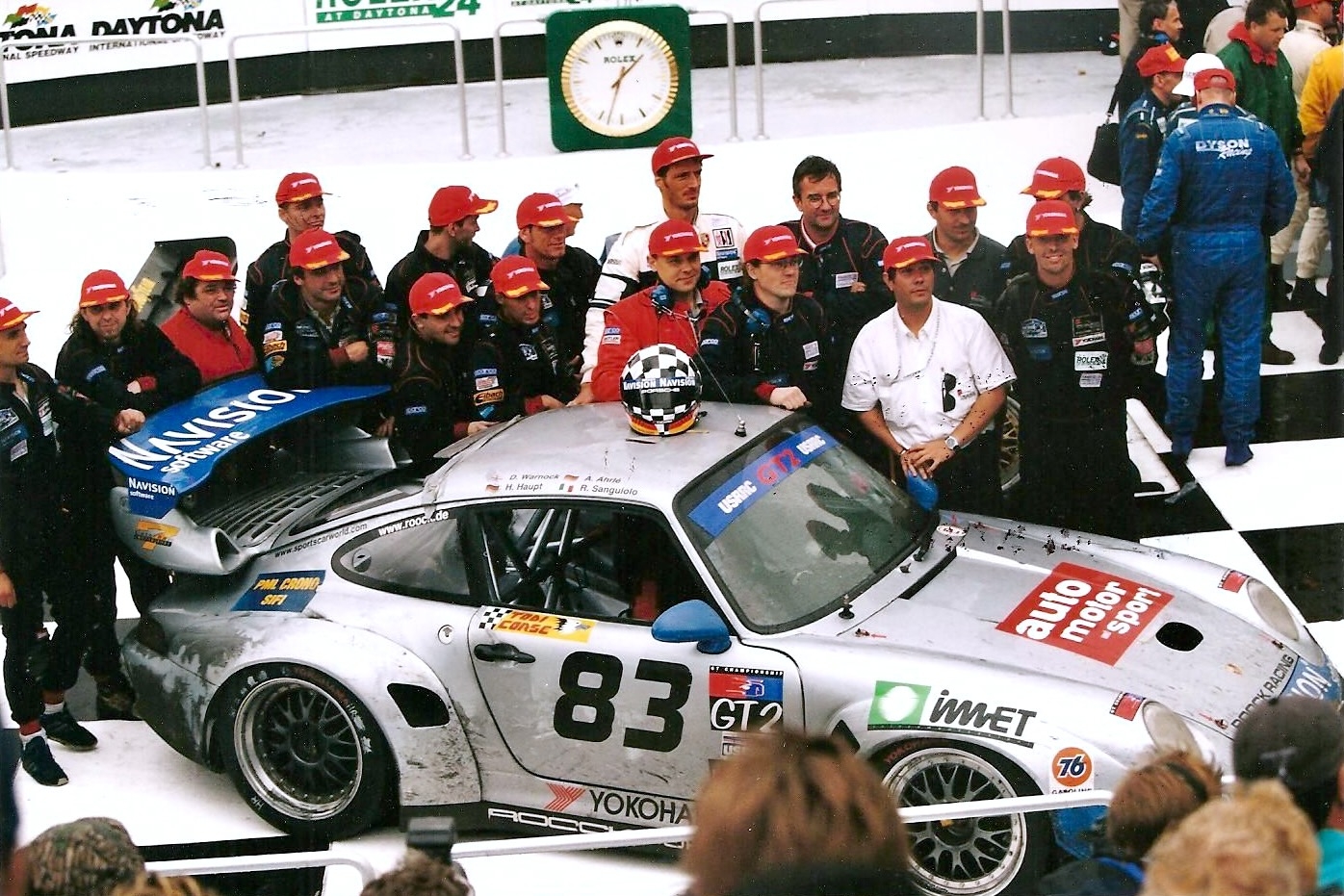
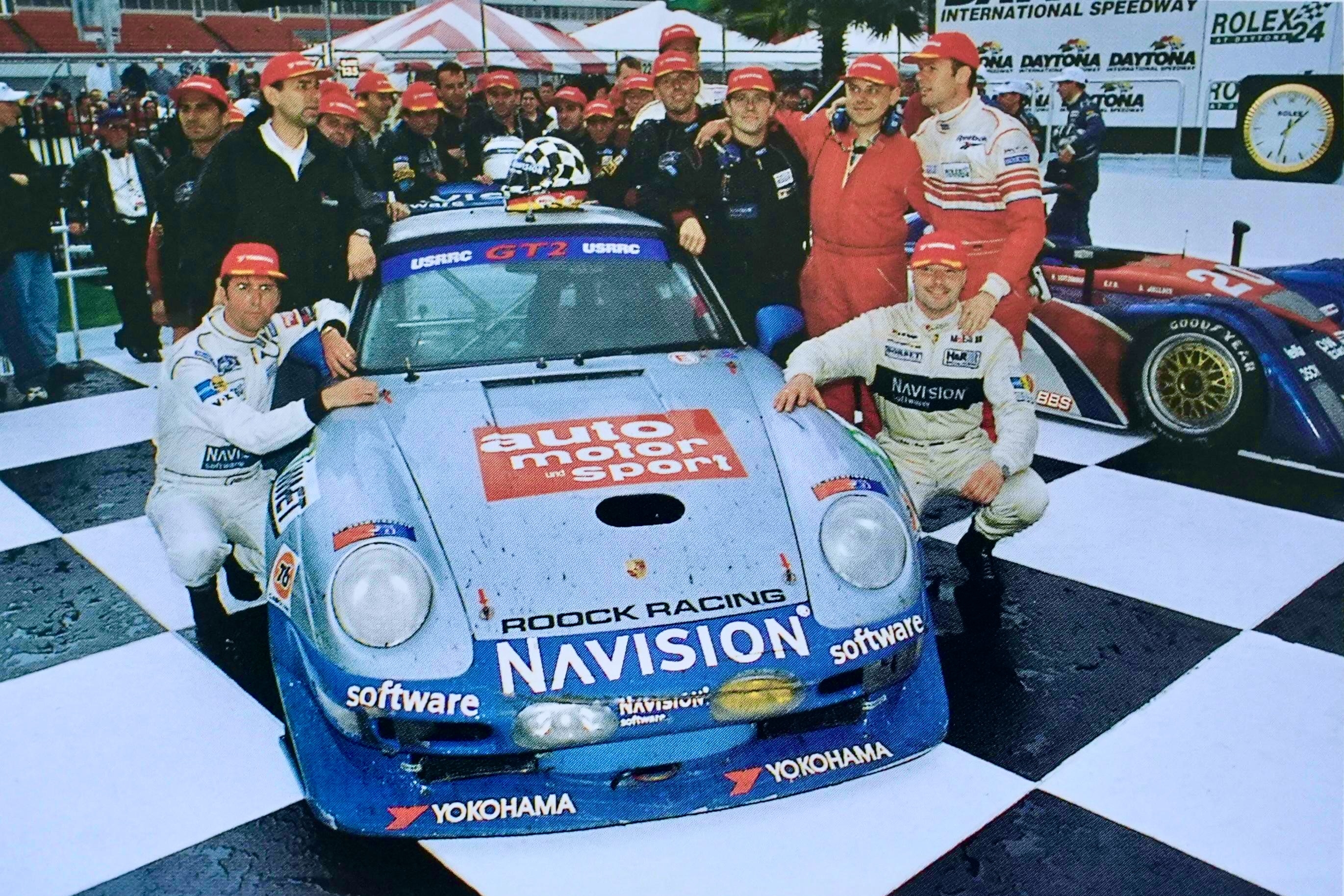
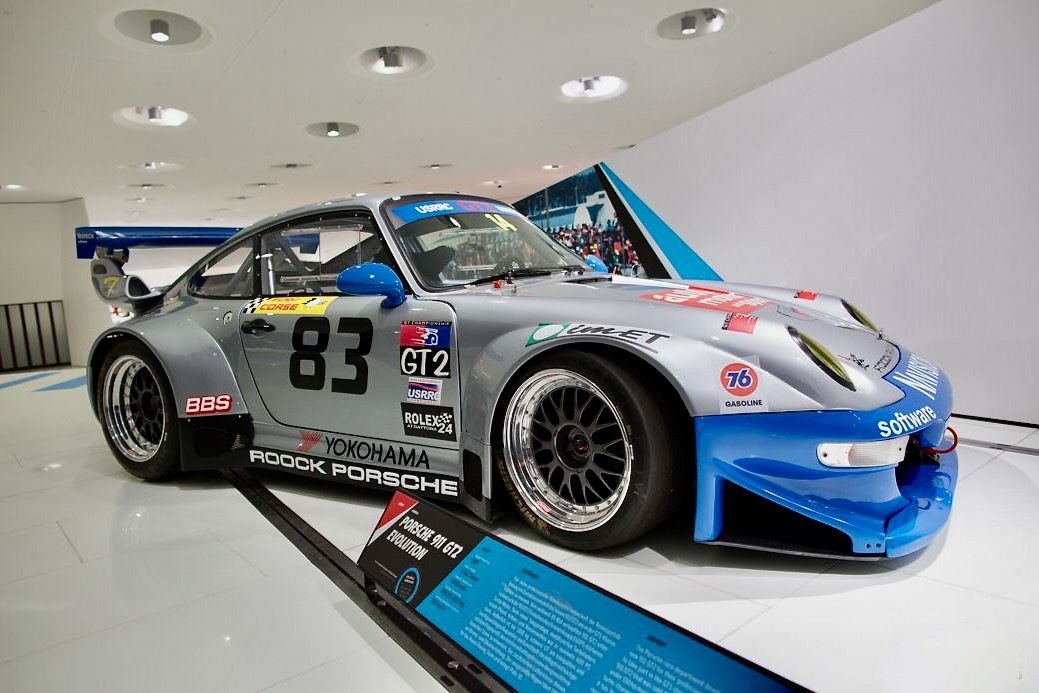
The car’s racing glory came from the 1999 Daytona 24 Hours. With a field of 78 cars, including Prototypes, the car was entered under the Roock name with the number 83, but was jointly operated by Cirtek. It was driven by André Ahrlé, Hubert Haupt, Raffaele Saguioli, and its owner, David Warnock. It qualified at an impressive 28th place. In GT2, the real opposition didn’t come from the other 13 993 GT2s, but from the ORECA Viper factory car and the two Pratt & Miller Corvette C5Rs. The Viper retired at night after a collision, and the C5Rs were plagued by transmission and engine issues. However, the #2 C5R still led the GT2 class by fourth lap, five hours before the finish and the other 993 GT2 in third place already 15 laps behind our car. Three hours before the end, the leading Corvette began consuming an enormous quantity of oil. It had to reduce its pace and visit the pits frequently, which offered the lead to our car. With heavy rain and no real competition in the last two hours, it was decided to reduce the pace and simply bring it home to secure an amazing GT2 victory. RST 530 003 crossed the finish line at an impressive 7th position overall and 1st in GT2. This is not only the sole 993 GT2 to have ever beaten both the factory Corvettes and Vipers, but it also scored the last victory for an air-cooled 911 in a major endurance race.
For the 1999 season, it was entered into the British GT Championship for Warnock and Schirle. From the third round onwards, however, they switched to the GT1 category, driving a Lister Storm. The 993 GT2 has since been loaned to Cirtek, Charlie Cox and Jonathan Baker finished the 1999 British GT in it, and it made an appearance in the FIA GT at Donington, finishing 13th. It did a few rounds of the British GT in 2000 and the FIA GT at Zolder. In June 2001, it was sold to Phil Hindley of Tech 9, who raced it three times in the British GT. In 2002, it was sold to Neil Gatt of the famous R.E.D. Rally Team. Gatt used it for track days and raced it once at Oulton Park in the Michelin Porsche Open Series in 2003. Colin McRae, a friend of Gatt, also drove it once at Oulton Park.
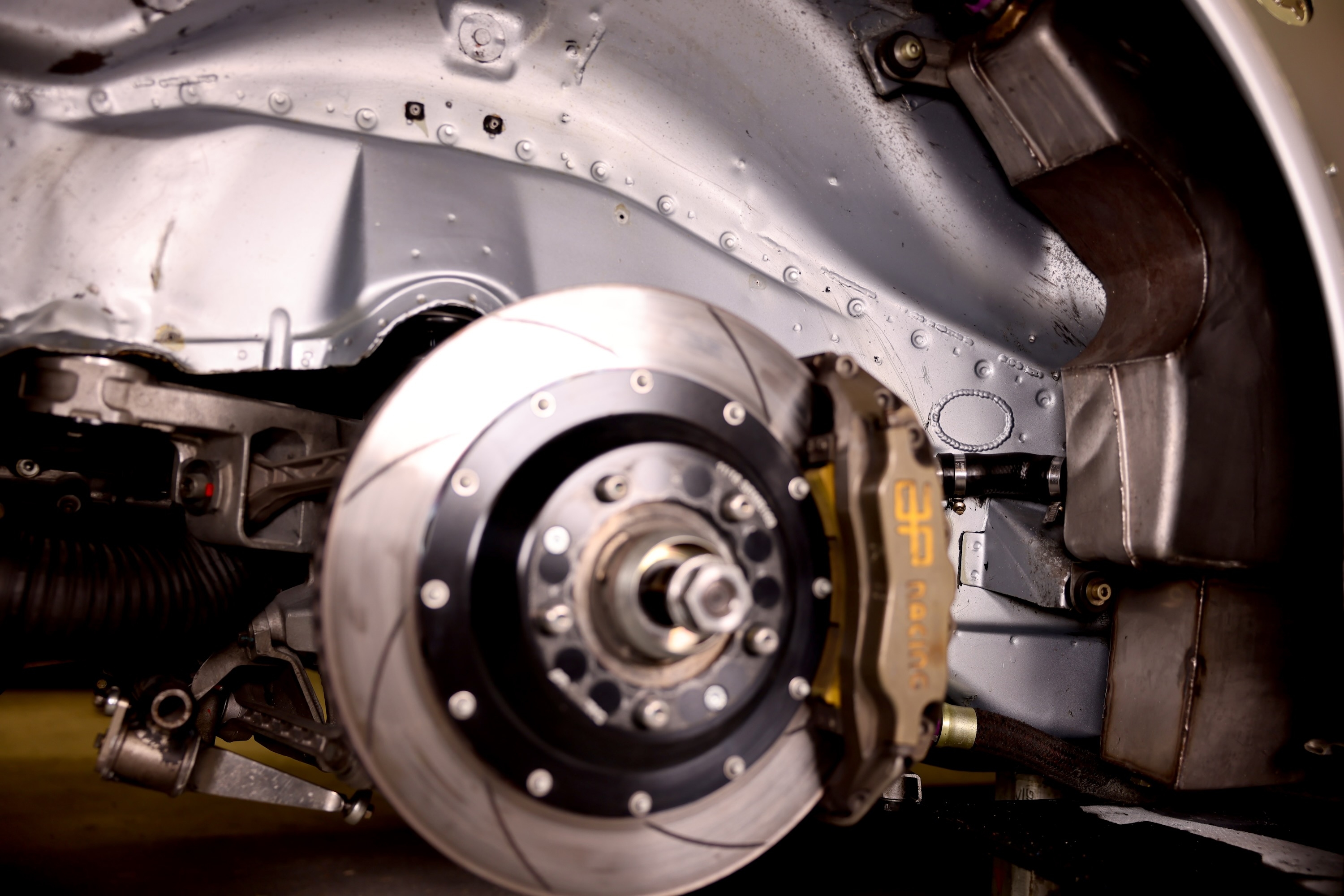
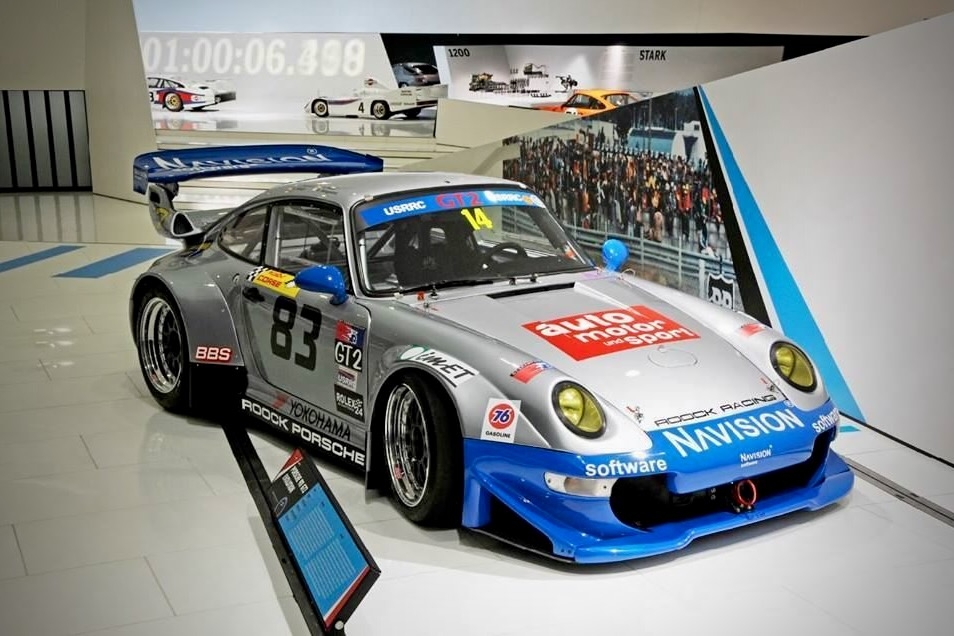
In 2007, Gall consigned the glorious GT2 for sale at Okfields, where it was purchased by a French collector. The car was then serviced and cosmetically restored to the 1999 Daytona historical decoration scheme. In 2011, it was sold via Art & Revs to Hubert Haupt, one of its Daytona drivers, who commissioned Michael Roock to carry out an unrestricted restoration. Between 2012 and 2014, all the mechanical components were restored, and in 2018, the bodywork was stripped to bare metal and carbon in order to make it race-ready and present it in immaculate condition. Invoices totalling €237,000 were issued for these works. Haupt used the car twice for private testing, but never raced it in vintage events. In 2014, it was exhibited at the Porsche Museum in Stuttgart, accompanied by a large photograph of the car in the back ground on the Victory Lane at Daytona, thereby acknowledging its significant historical importance.
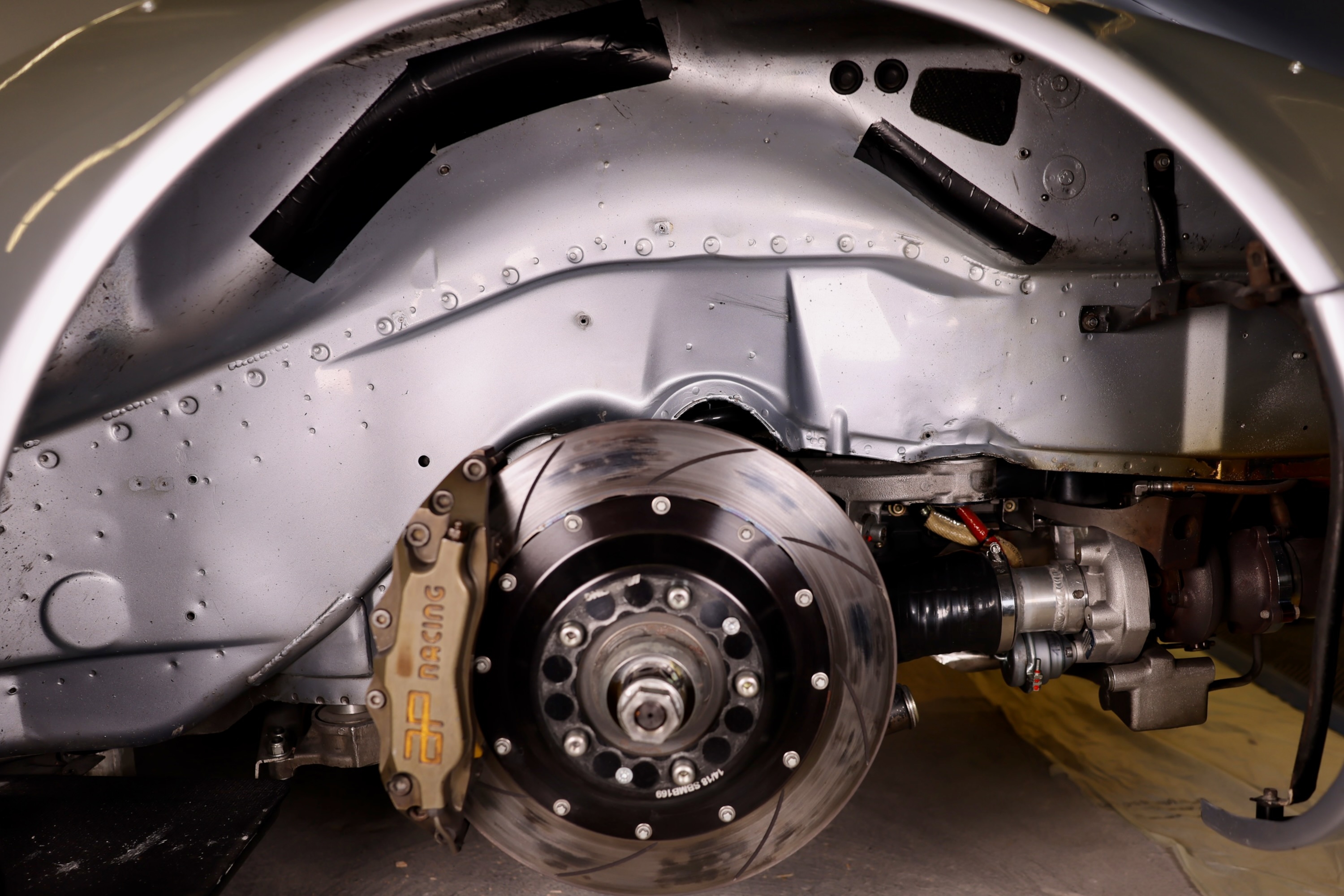
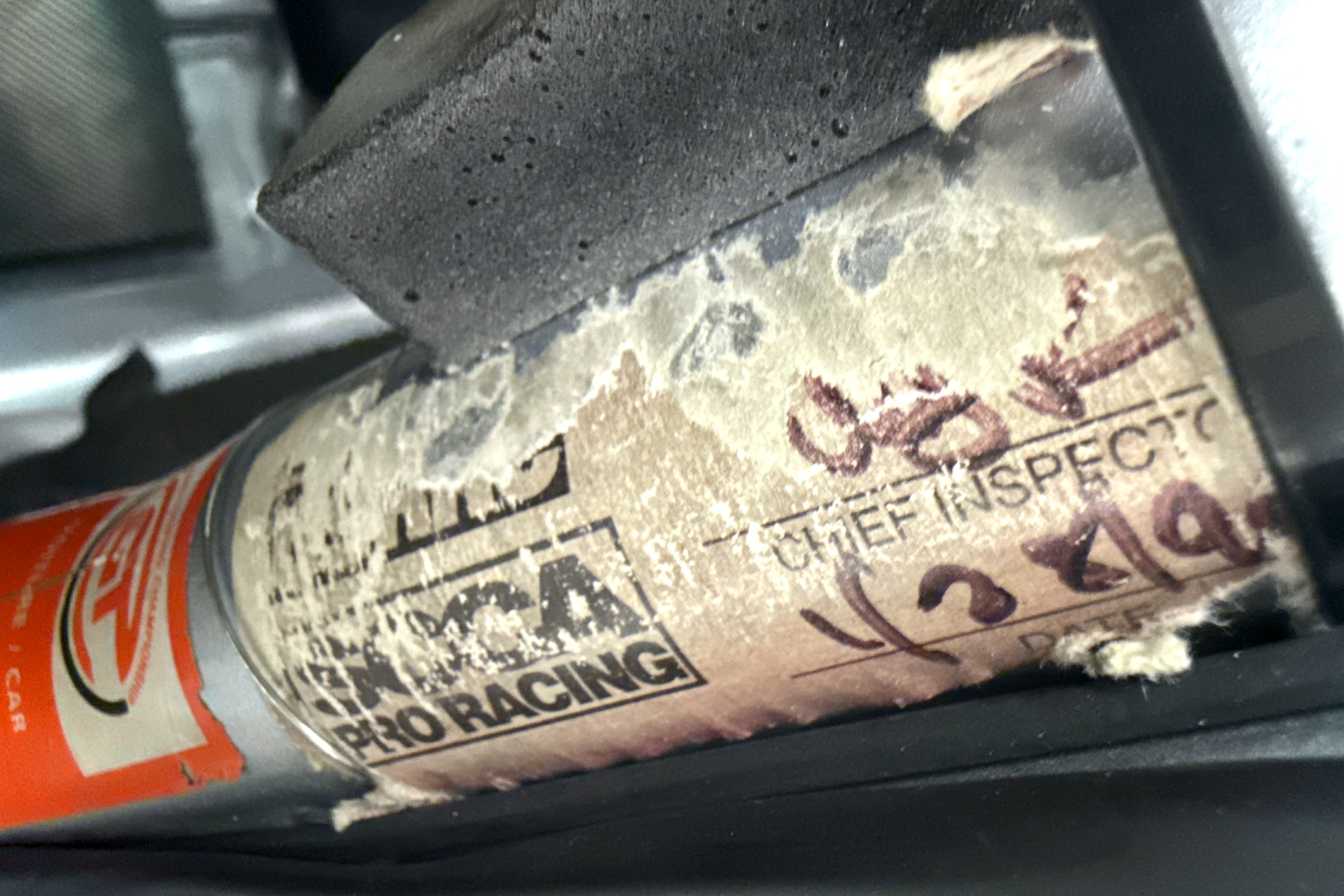
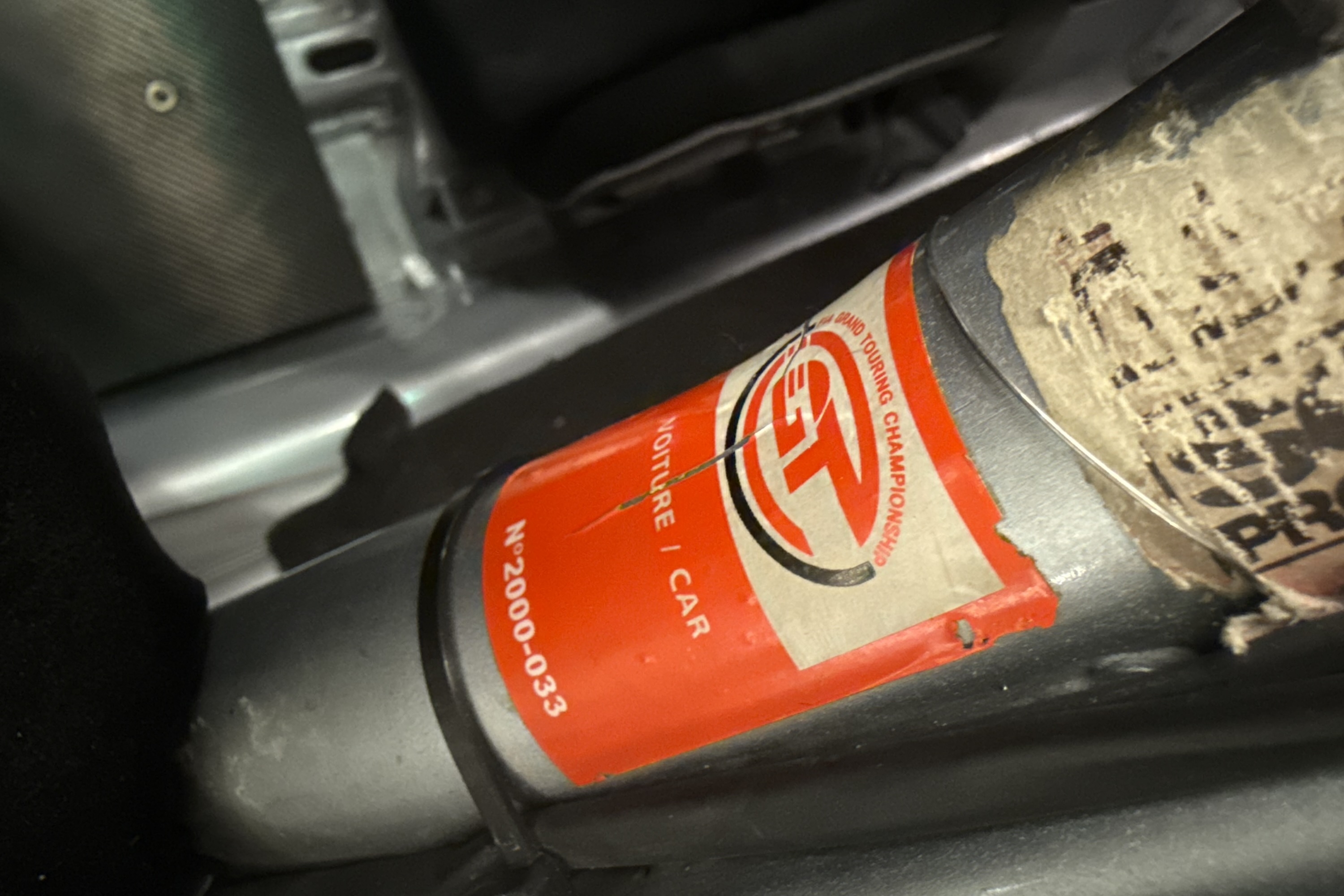
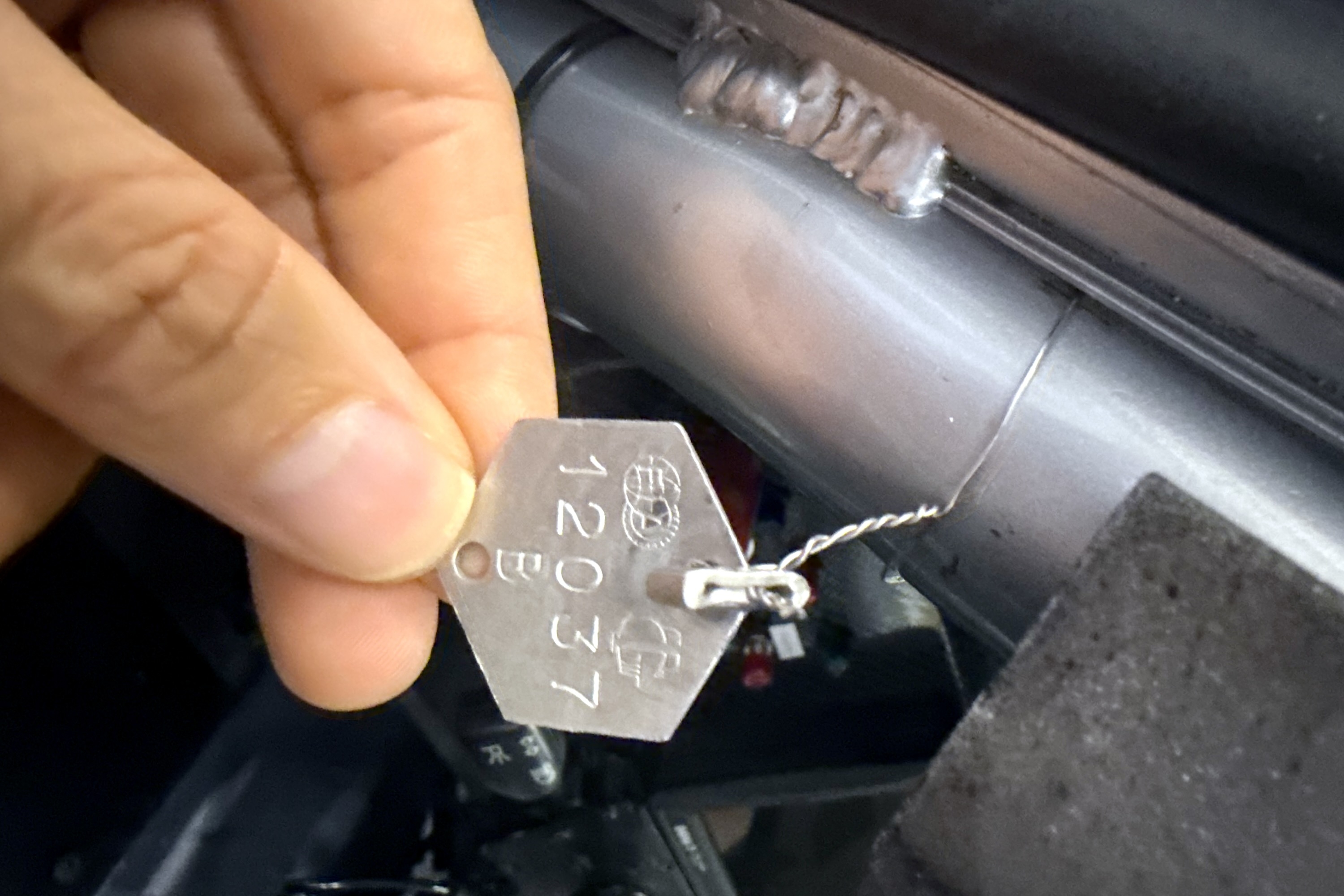
The RST 530 003 is a race-ready car in fabulous condition. It was recently serviced and completed a 10-lap shakedown to ensure it was in perfect working order. It comes with an impressive history file, and, very importantly, it still bears its 1999 Daytona scrutineering tag, the 1998/99 FIA GT plumbing and 2000 FIA GT sticker on the roll cage.
This fabulous 993 GT2 EVO is a once-in-a-lifetime opportunity to own a historically significant Porsche, as well as one of the fastest example ever built of the EVO Roock. It would satisfy the most demanding Porsche collector or racer.
Model history
Roock Racing was formed by two brothers, Fabian and Michael. They first started racing Porsches in the ADAC GT Cup in 1991, winning it twice, in 1994 and 1995. In 1996, they entered the BPR, achieving an intense race at Le Mans, where they finished 12th overall and remarkably won the GT2 category. In 1997, now competing in the new 'FIA GT', the Roock cars were involved in an intense battle against the now formidable Vipers, losing the Driver's Championship by just one point with Bruno Eichmann against Justin Bell.
Anticipating further competition from the Vipers in 1998, Roock obtained their final four chassis from the Porsche factory. These chassis did not receive a zinc coating, saving approximately 25 kg in weight. As these chassis did not undergo the full Porsche production process, they did not receive a 17-digit VIN, but instead were given a Porsche production number: 0480038, 0480039, 0480040 and 0480053. They were also allocated a Roock number: '98 RST 530 00X'. The newly assembled cars received an extensive list of in-house upgrades on top of the factory 'EVO' specs, as confirmed by Fabian Roock.
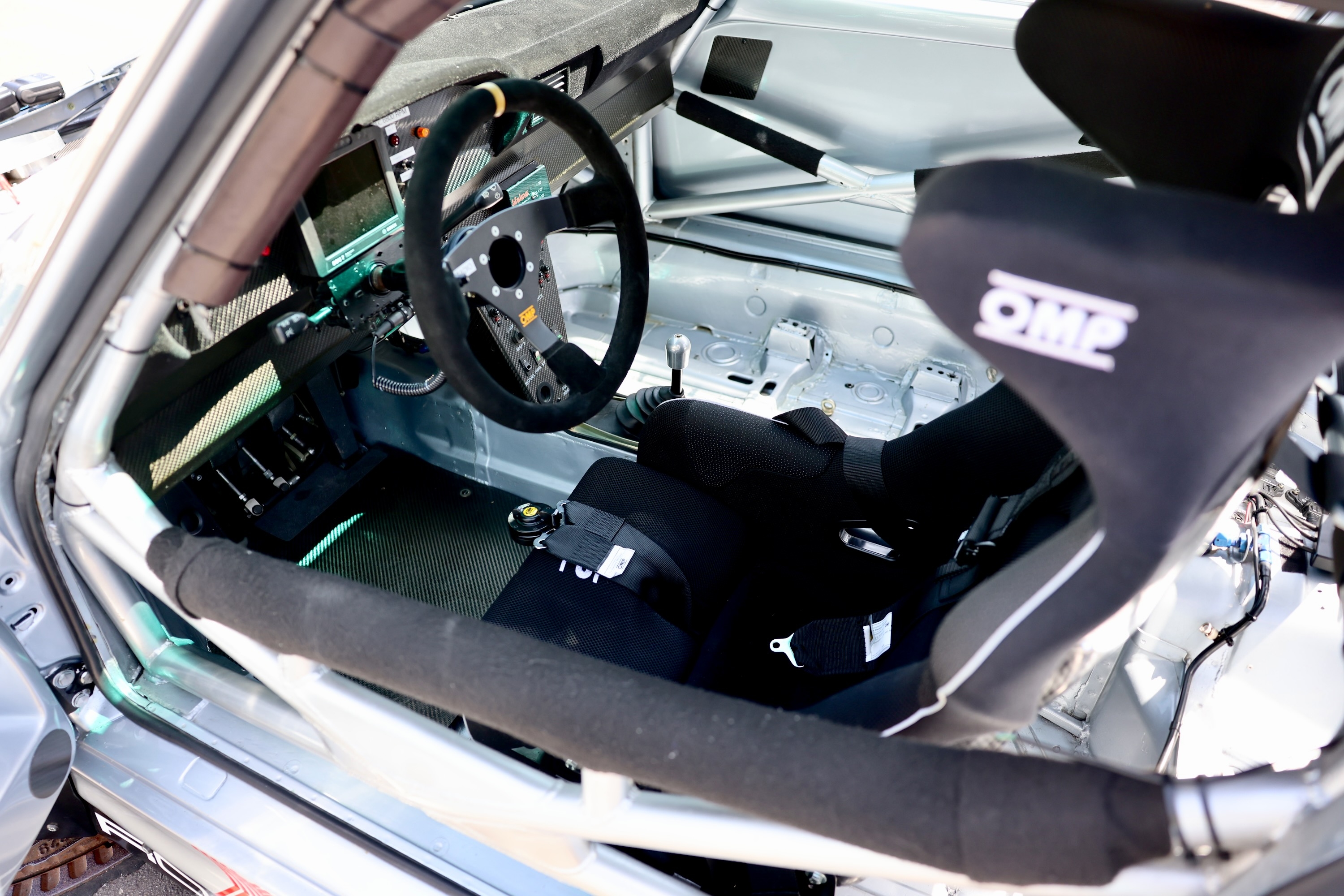
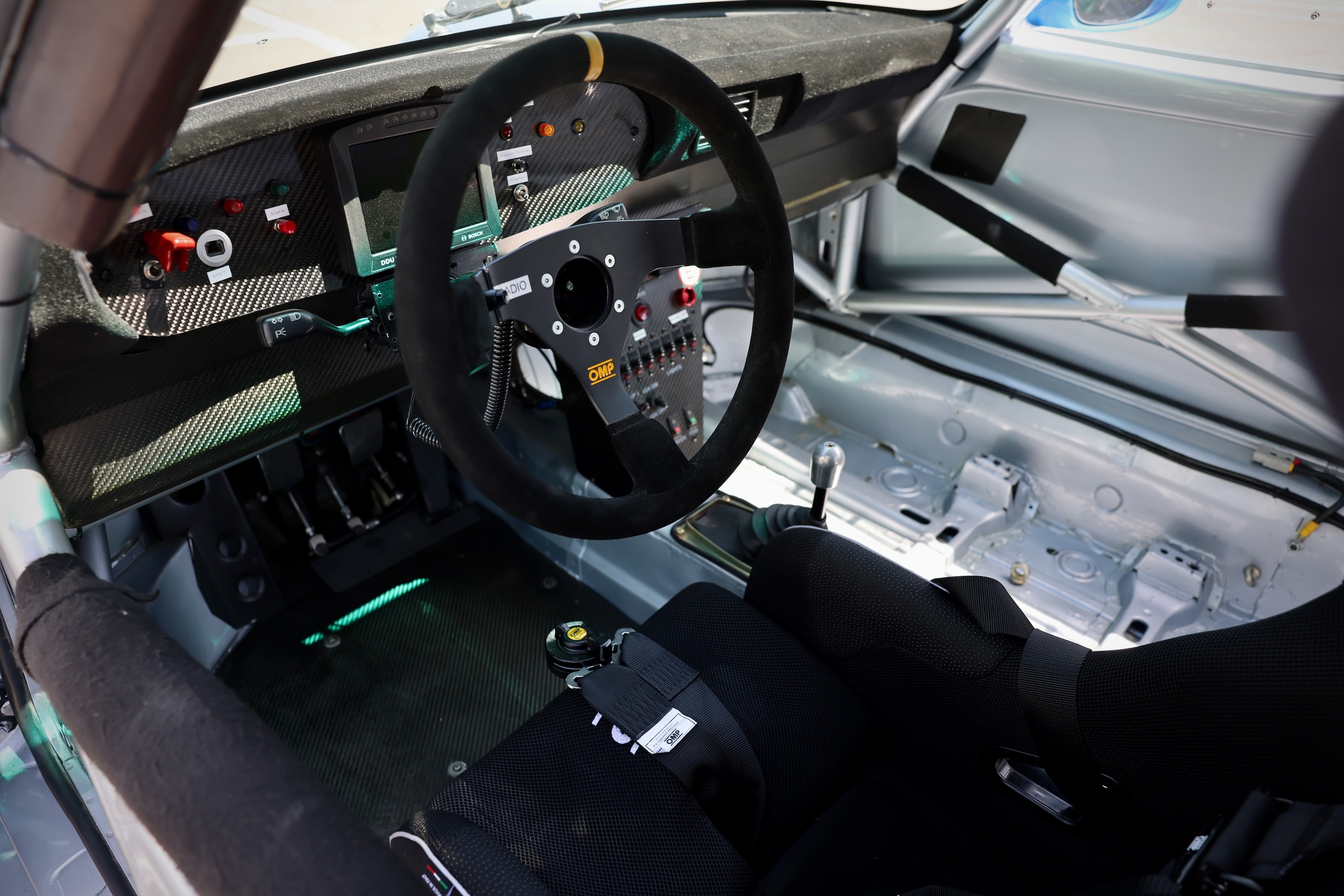
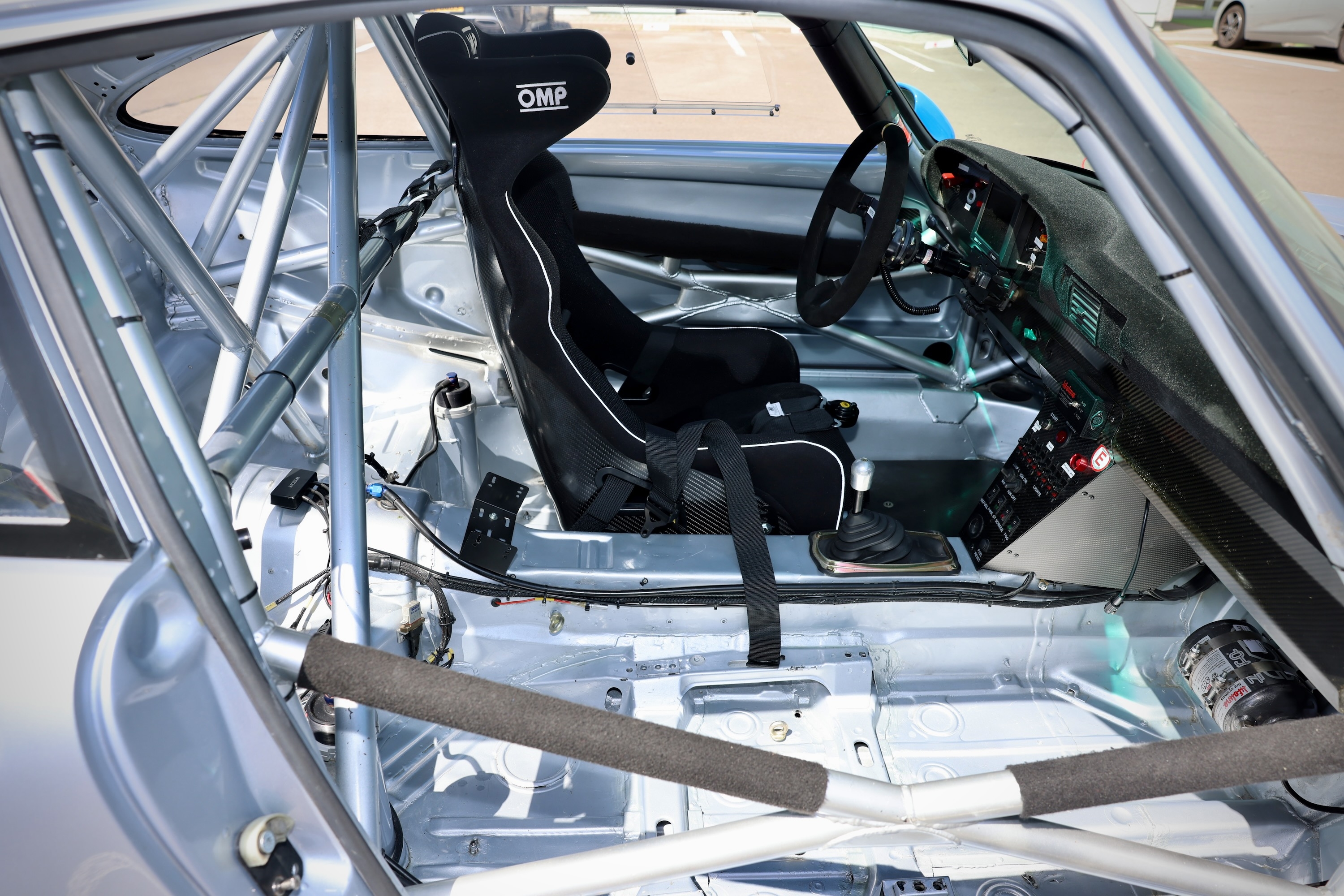
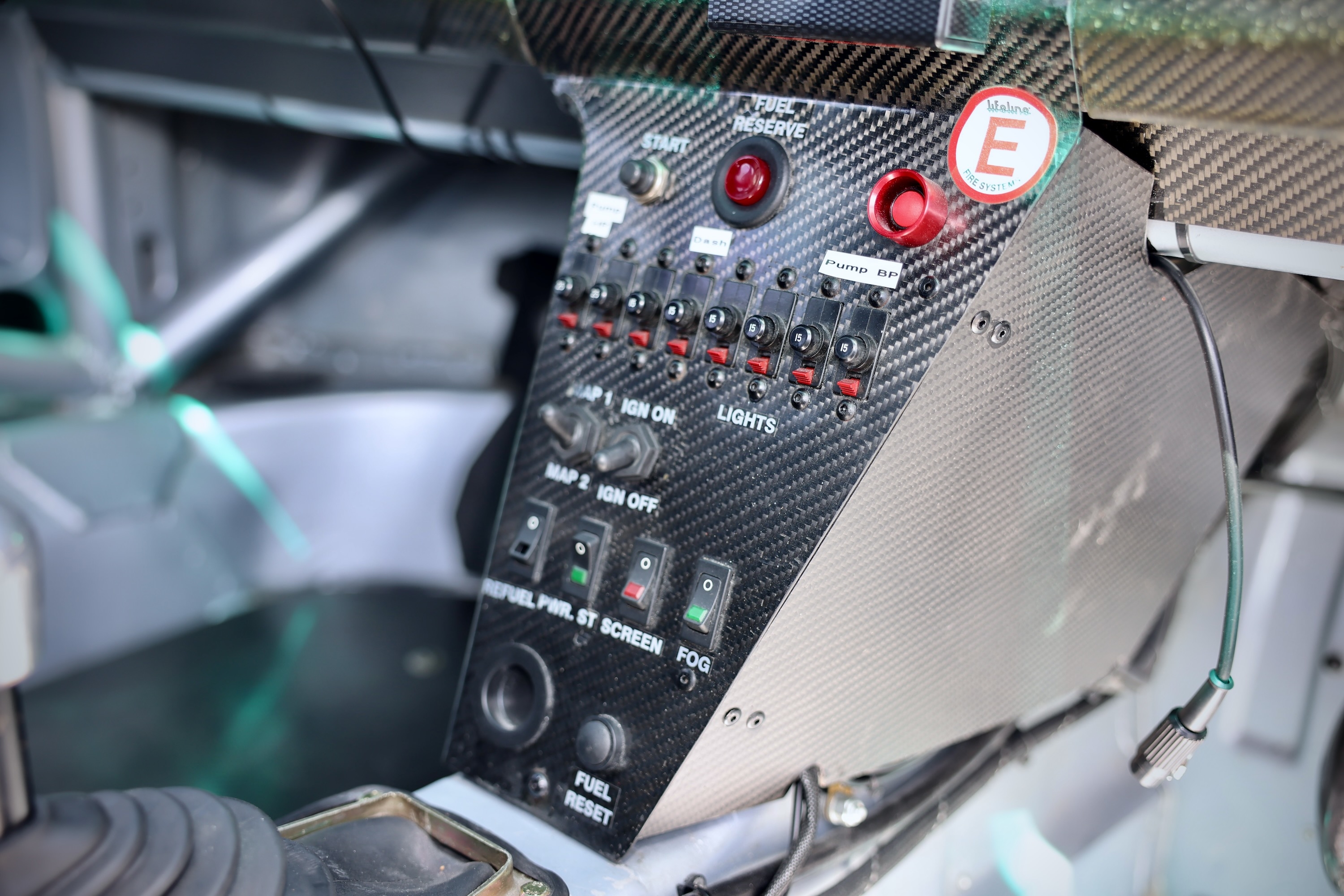
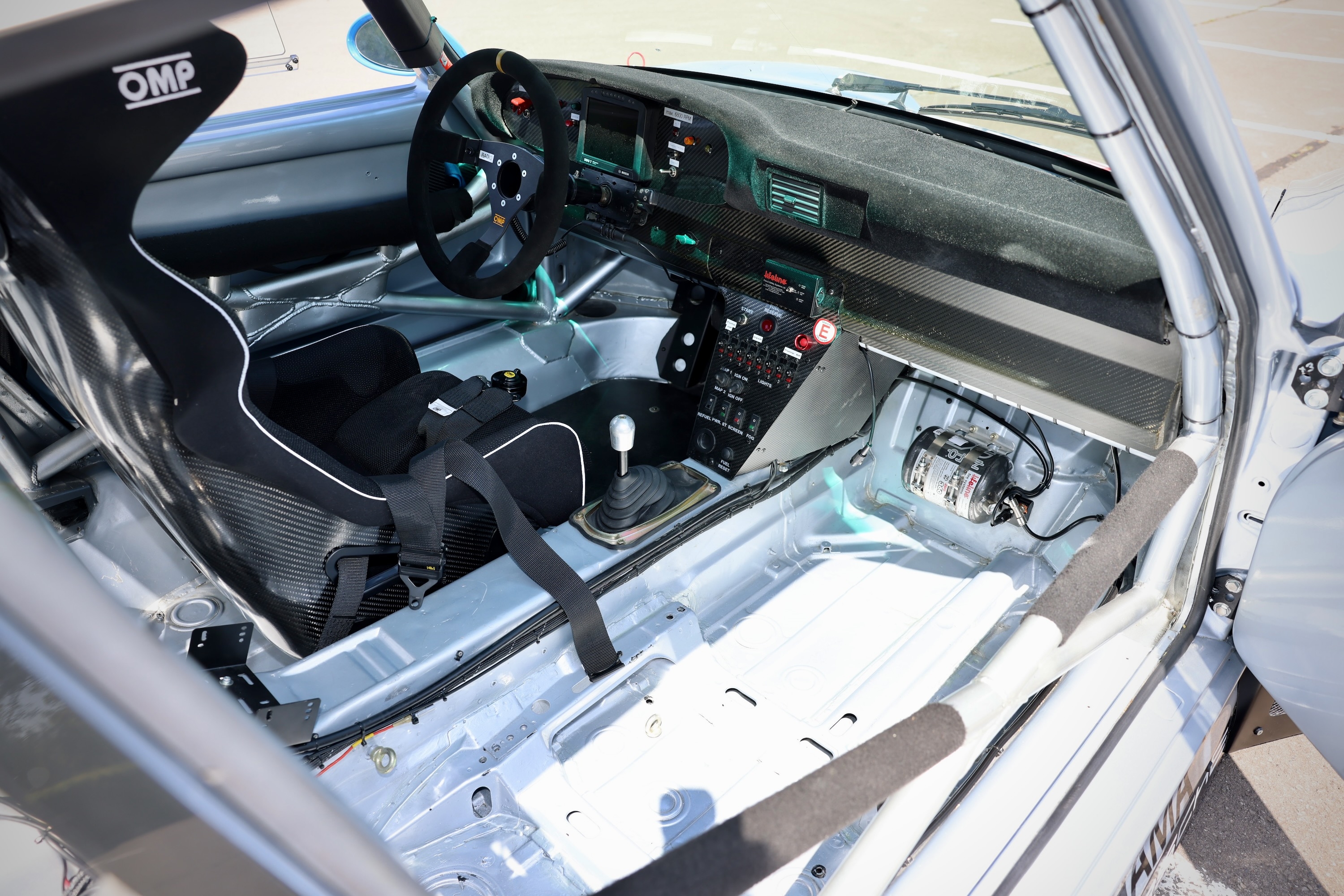
- removal of sheet metal parts that were not needed, such as the dashboard
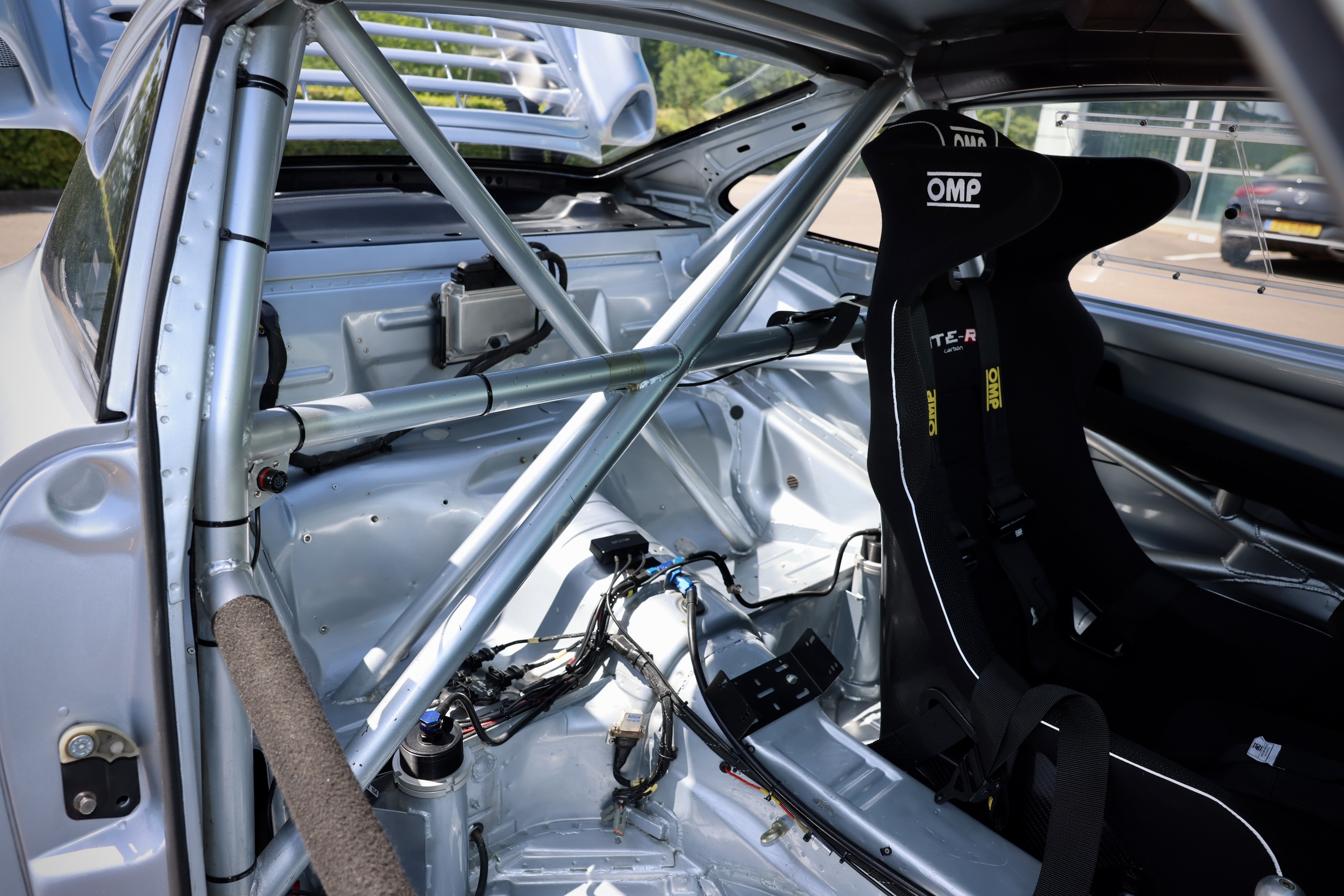
- expanded roll cage to reinforce the chassis
- the front and rear axle mounts were reinforced
- the body outer skin has been completely redesigned and made of very light carbon
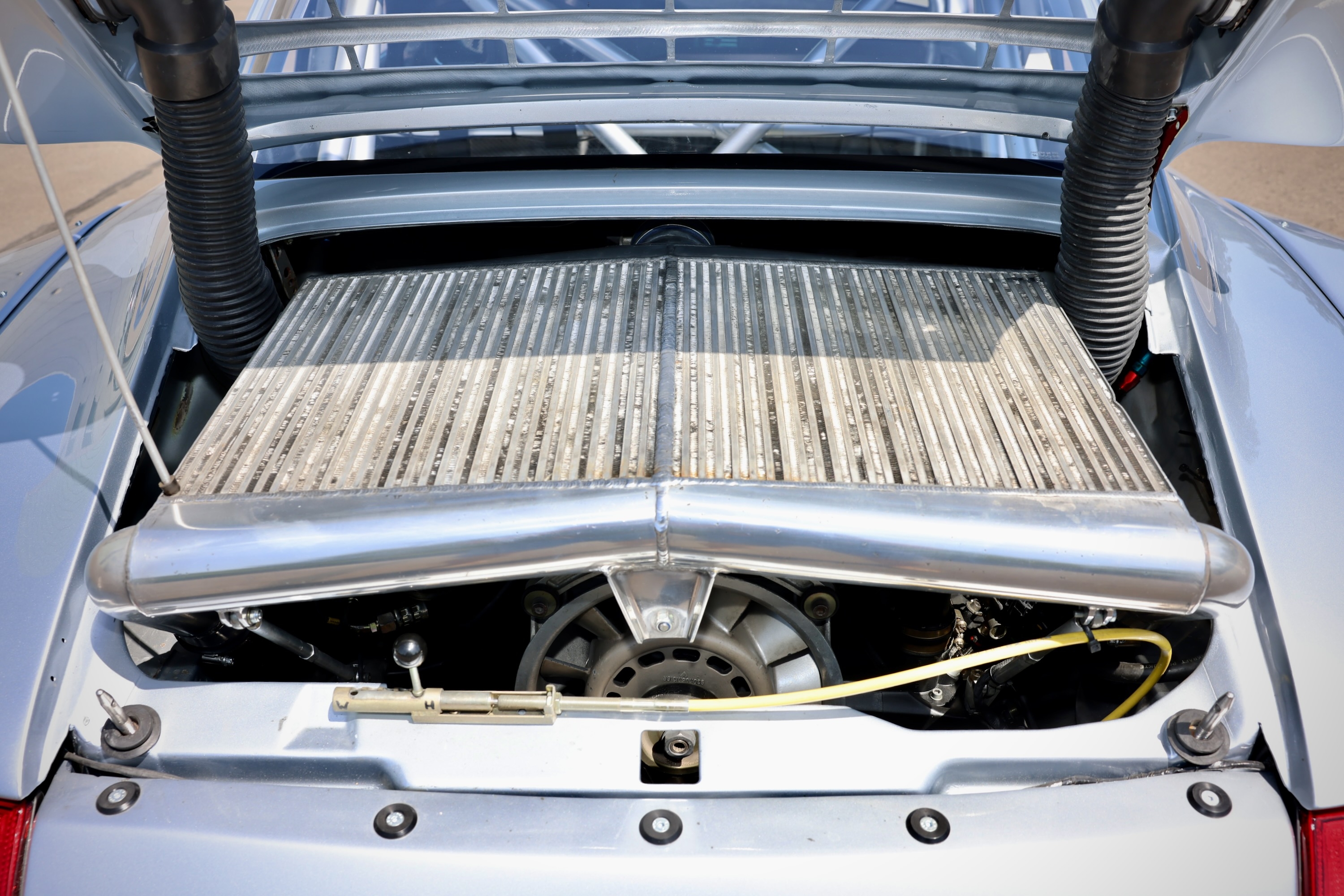
- the transmission was reinforced, adapted to the loads, and a transmission oil cooler was installed
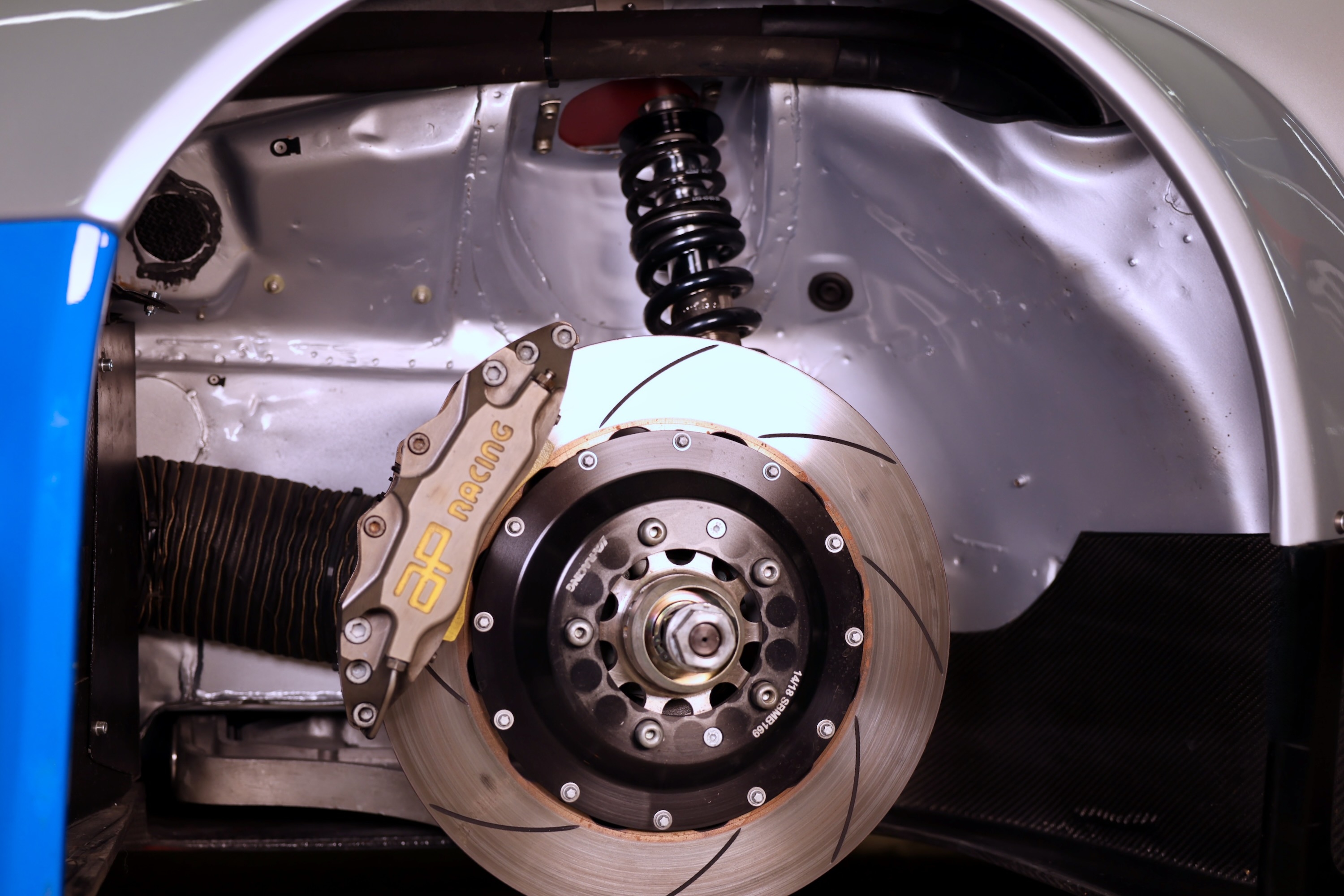
- the front and rear axles were reinforced and fitted with larger wheel bearings, which were additionally cooled
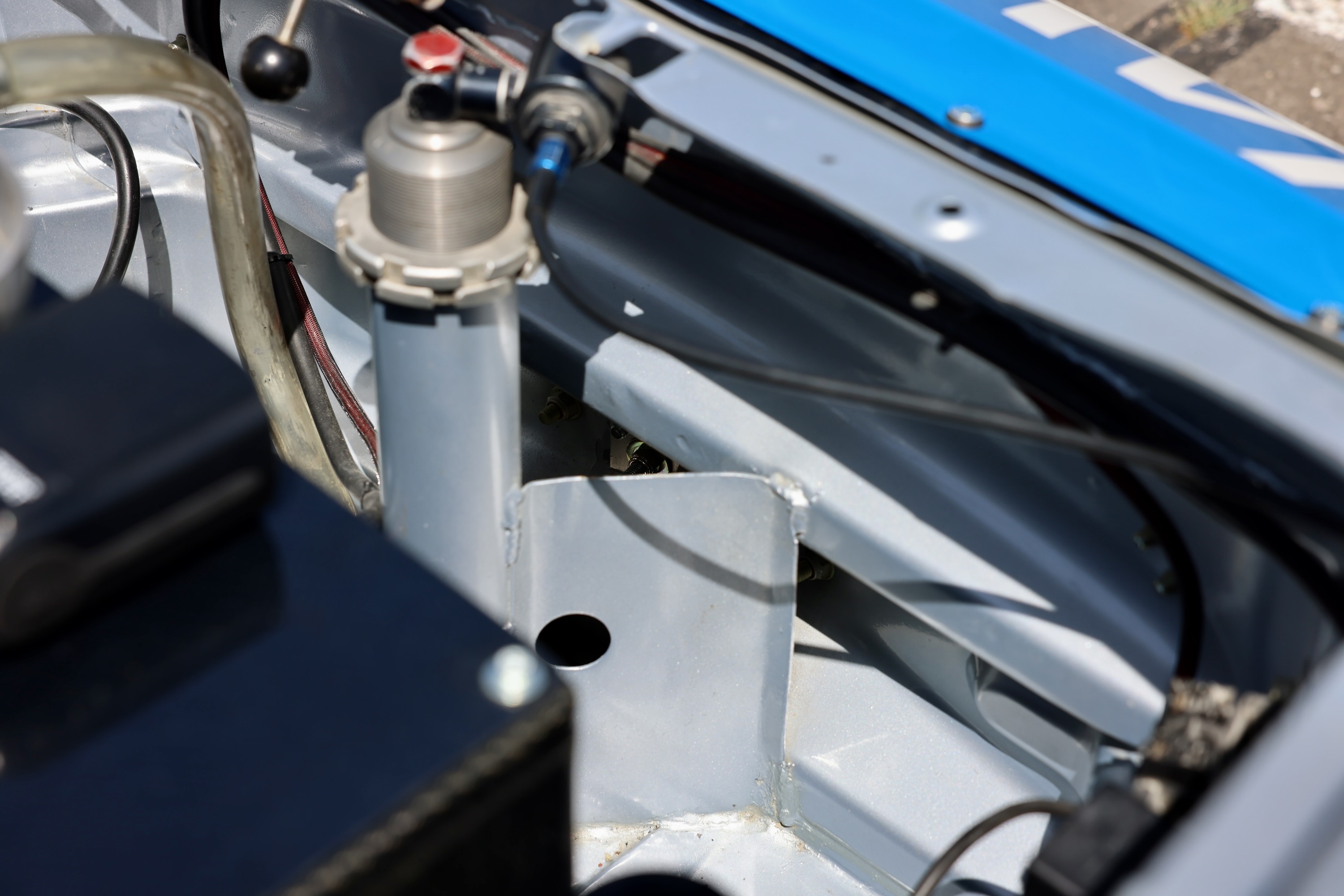
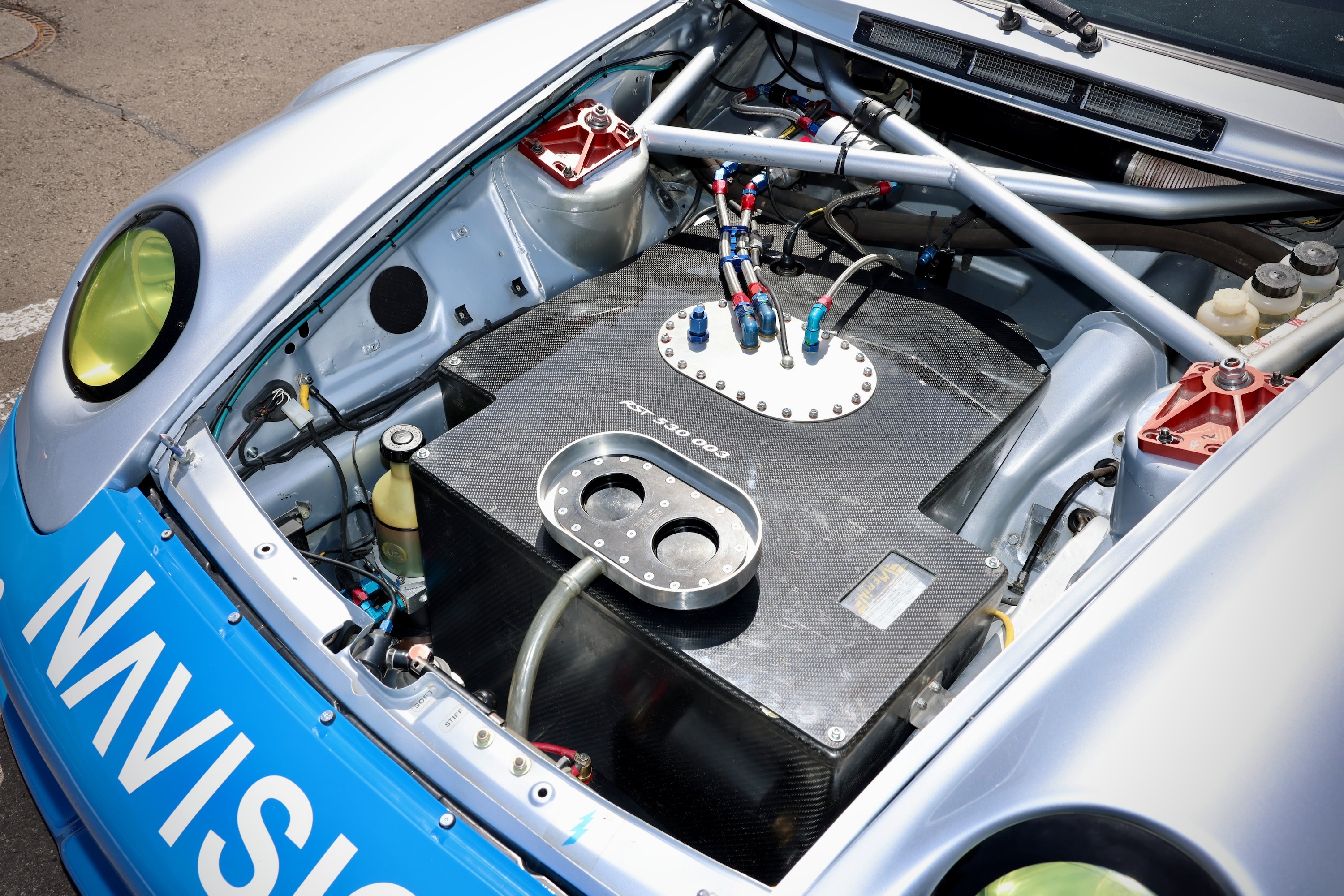
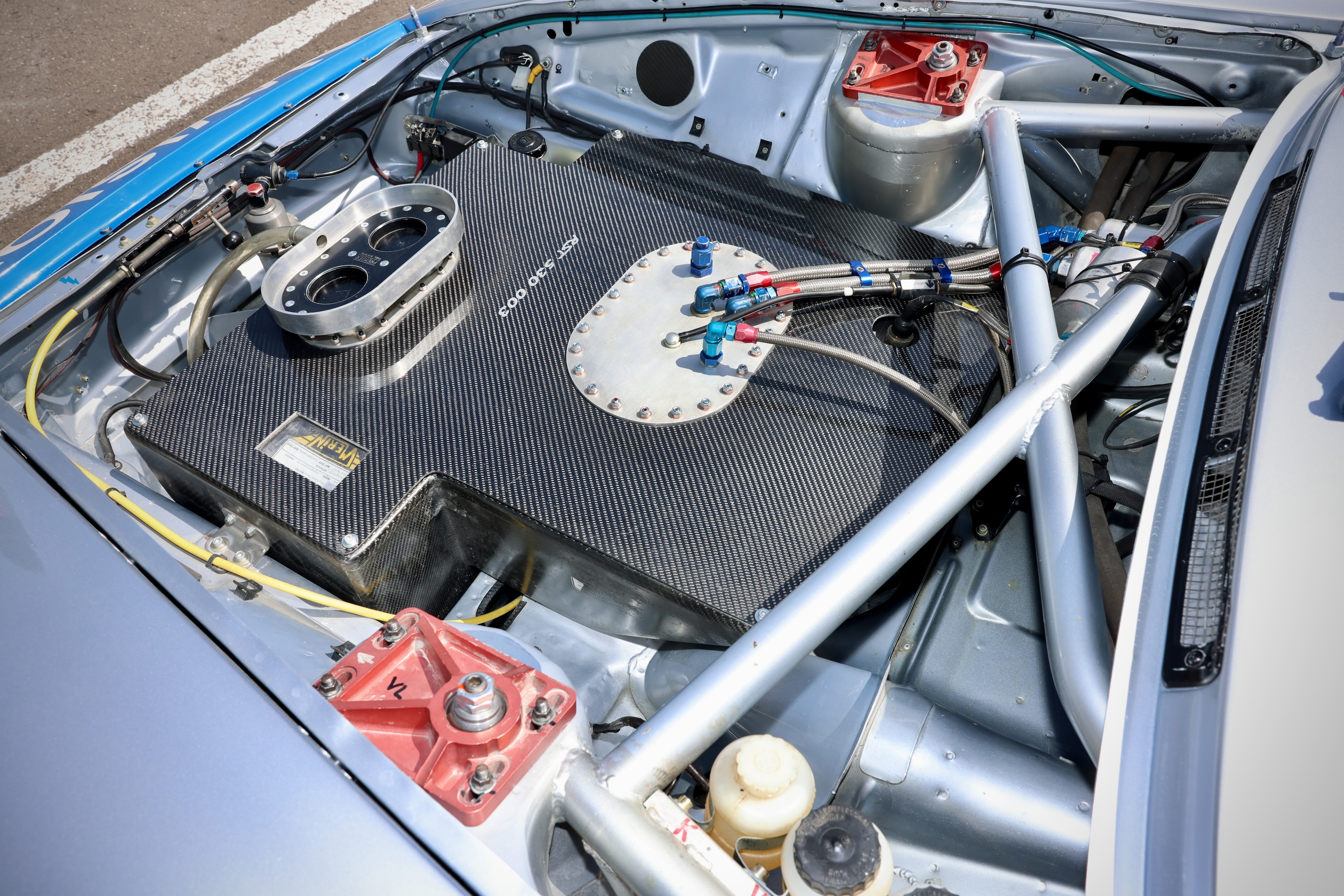
- the fuel tank, also an in-house development with carbon fiber case, was designed to blend into the body structure, installed about 150mm lower than in the GT2 racing version
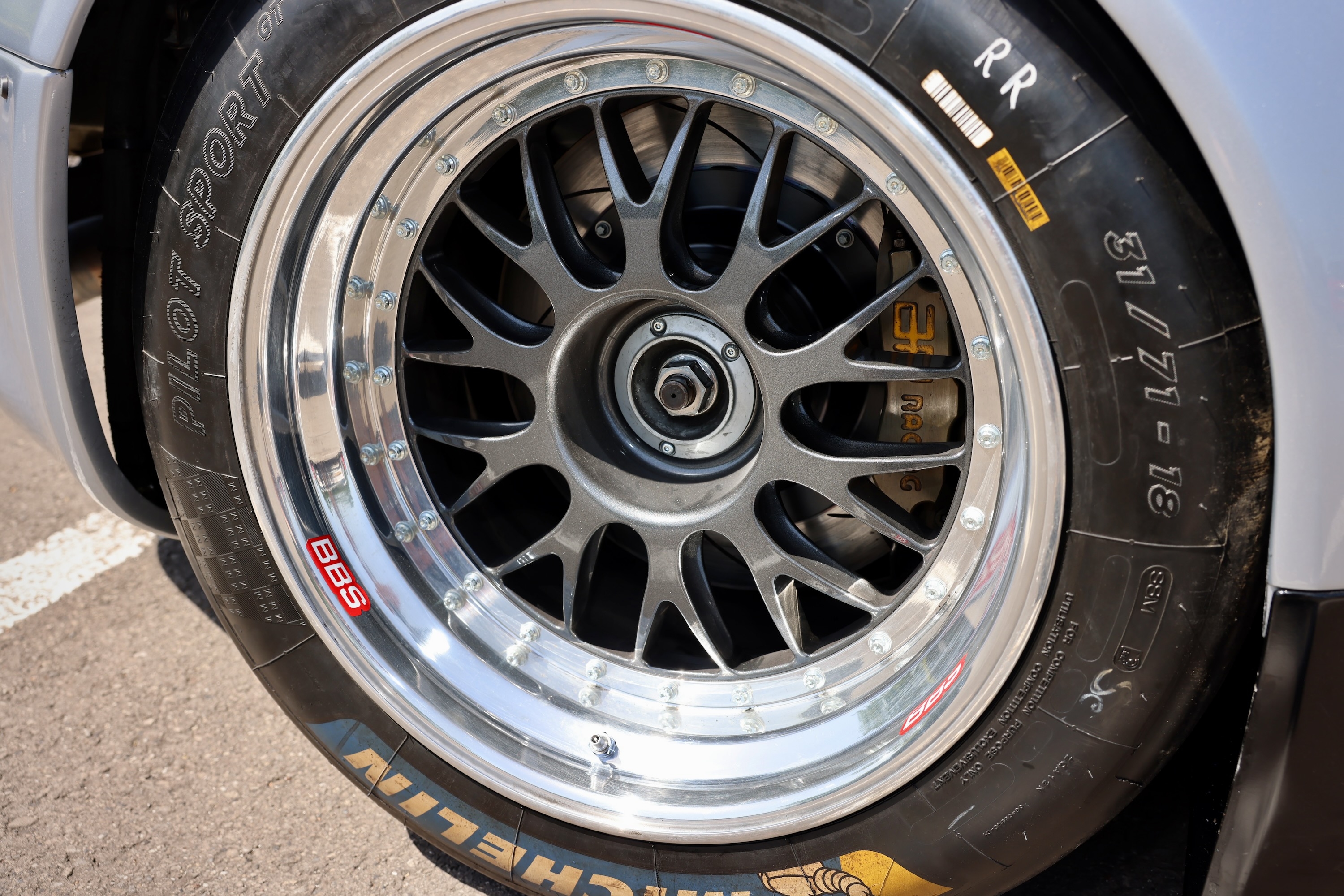
- the drive shafts and the BBS monobloc rims were manufactured specifically for this vehicle
- to save weight, the hydraulic power steering was replaced with electric steering
- the wiring harness was made of particularly lightweight material, the dashboard used first a Pl and later a Bosch.
- further weight savings could be achieved by installing very light headlights at the front and lighter taillights
- all plastic parts have been replaced with carbon including the enlarged rear spoiler.
Following the banning of the GT1 cars in 1999, the FIA GT regulations changed and the ACO created the new LM-GTS category. Both permitted more extreme specifications for the former GT2 cars, paving the way for the 2000s generation of GT1s. For the 1999 season, Roock further developed their 993s by adding:
- all plastic parts have been replaced with carbon including the enlarged rear spoiler
- the body and tracks were widen to the maximum permitted by the regulations
- the front end received a custom made spoiler creating downforce and a all new lightweight rear bumper
- the engine was a completely new development done by Thielert with 3.8 liter dual ignition and with 6 individual ignition coils
- optimized Turbos K24/26, specially manufactured for Roock by KKK, according to the regulations, the power was limited to 580 hp by air restrictors - torque 755 NM
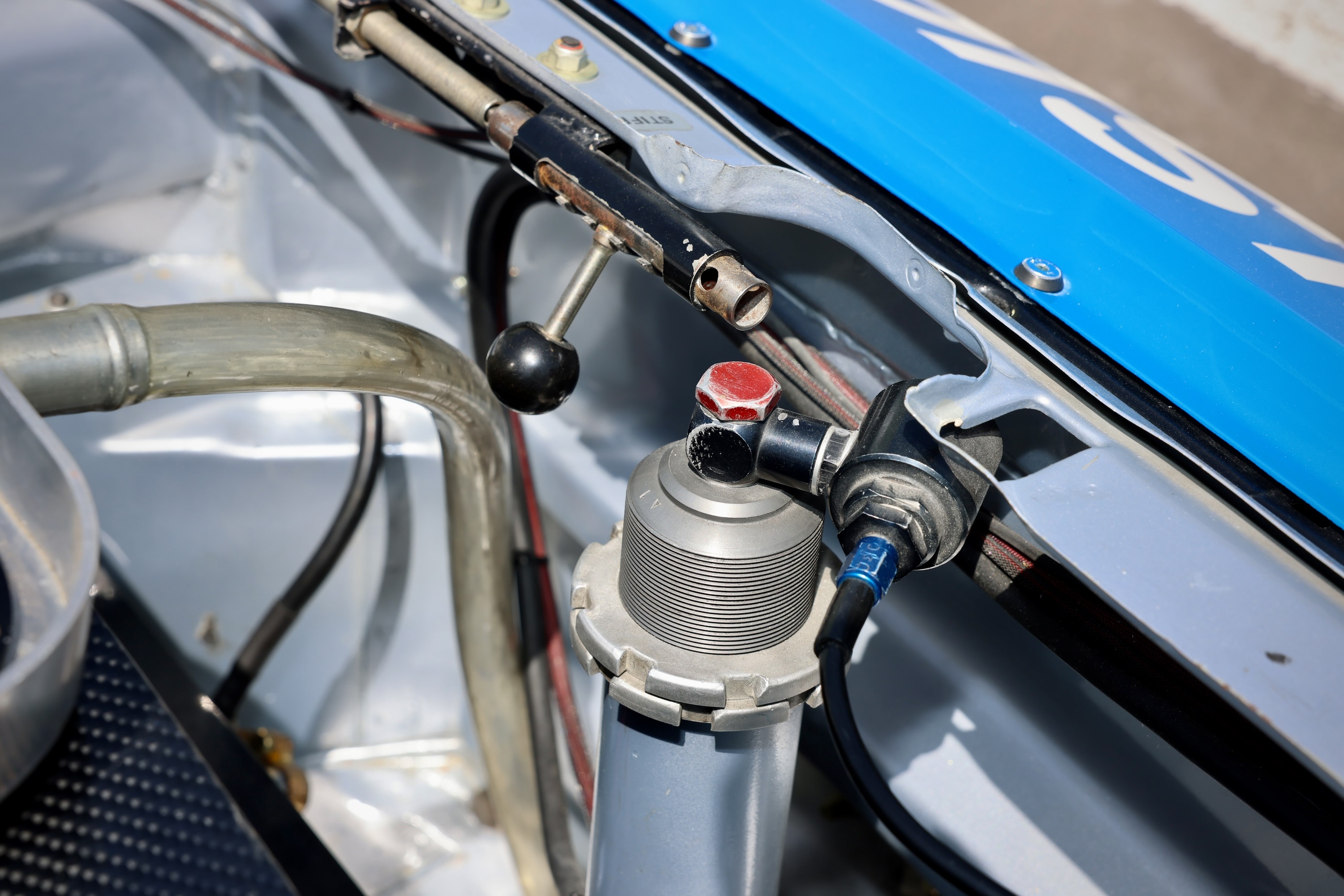
- the shock absorbers came from Moton
- some cars were fitted with a Gemini sequential gearbox for sprint races
These modifications transformed the Roock 993 GT2 EVO into the wildest and fastest 993 ever built.
With a well-funded factory programme, 1998 saw ORECA's Vipers dominate, but Roock still managed to win in Hungary and finish third in the GT2 category at Le Mans.
The Roock team got off to a stellar start in 1999 with an incredible win in the GT category at the Daytona 24 Hours. Despite a real bump in performance, the rest of the season was disappointing in the FIA GT, with the Vipers winning all the races, and at Le Mans they took the first six places in the LM GTS category.
After financial troubles at Roock in 1999, their 993 GT2s continued to race in 2000 and 2001, but they were increasingly outpaced by newer cars due to a lack of funding.